
即时医疗环境下经颅电刺激的人在回路优化:计算视角
Human-in-the-Loop Optimization of Transcranial Electrical Stimulation at the Point of Care: A Computational Perspective.
作者信息
Arora Yashika, Dutta Anirban
机构信息
Neuroimaging and Neurospectroscopy Lab, National Brain Research Centre, Gurgaon 122052, India.
Neuroengineering and Informatics for Rehabilitation and Simulation-Based Learning (NIRSlearn), University of Lincoln, Lincoln LN6 7TS, UK.
出版信息
Brain Sci. 2022 Sep 26;12(10):1294. doi: 10.3390/brainsci12101294.
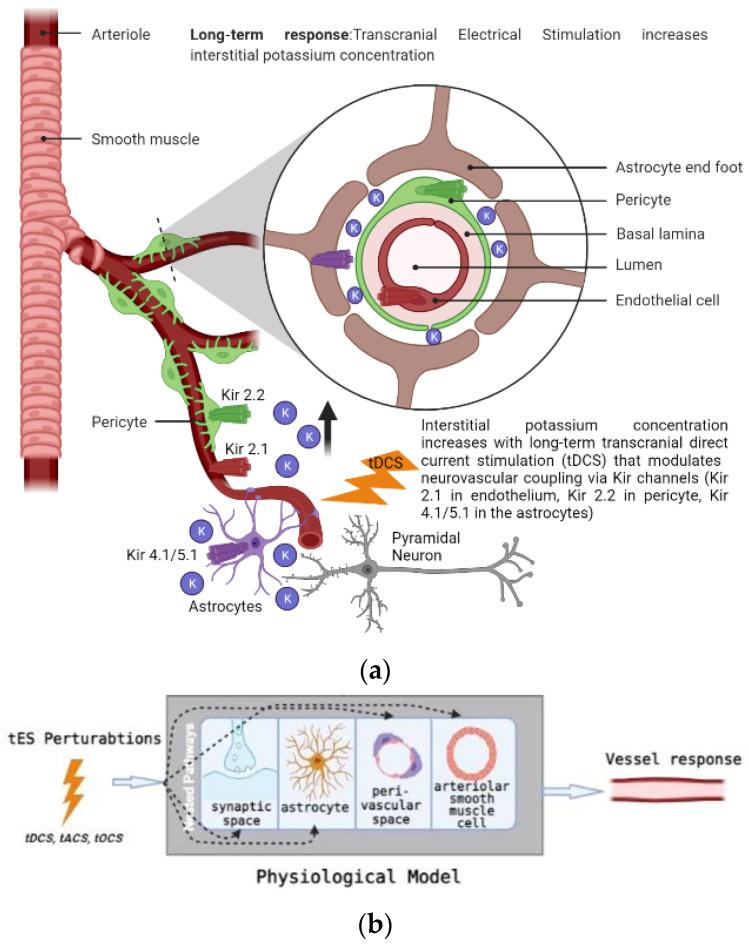
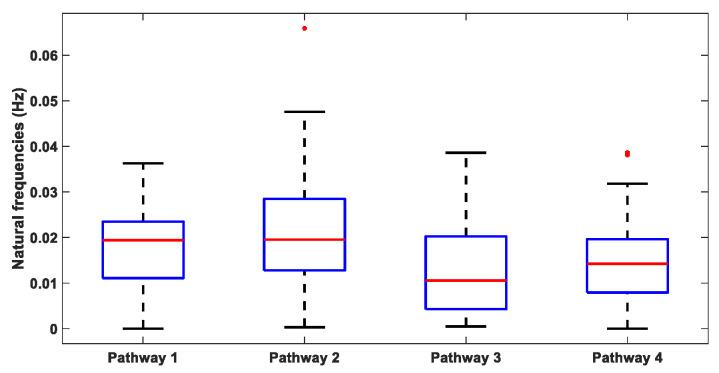
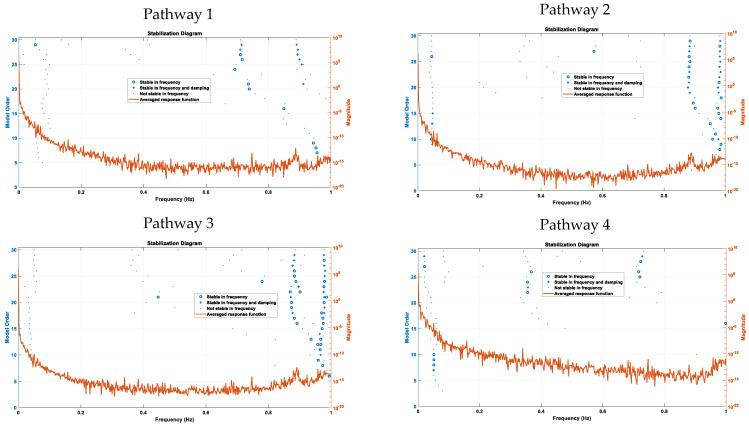
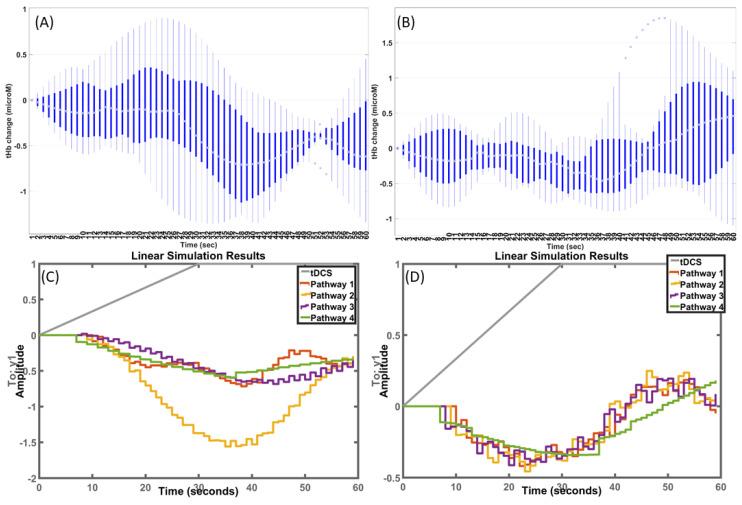
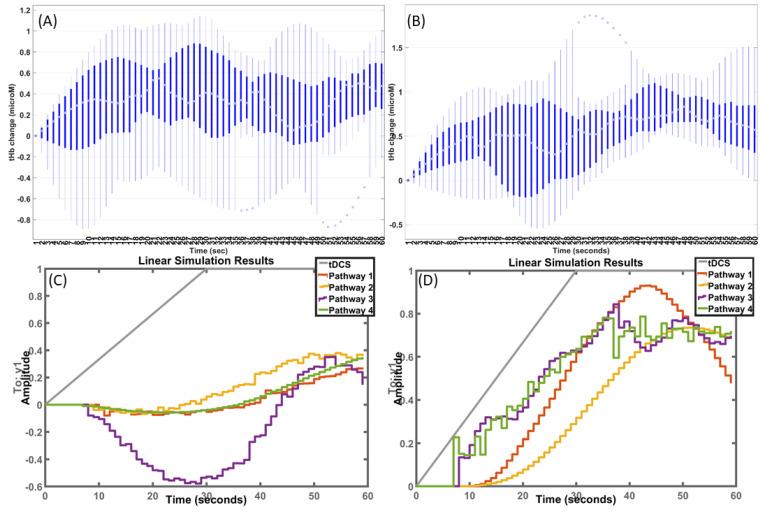
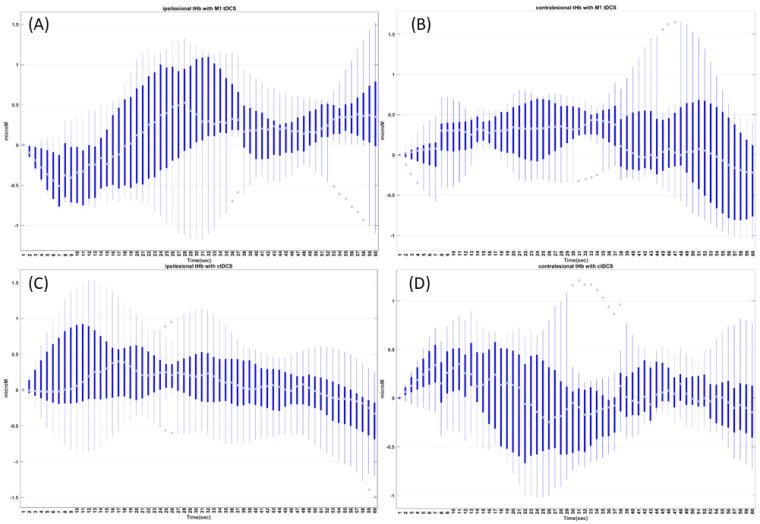
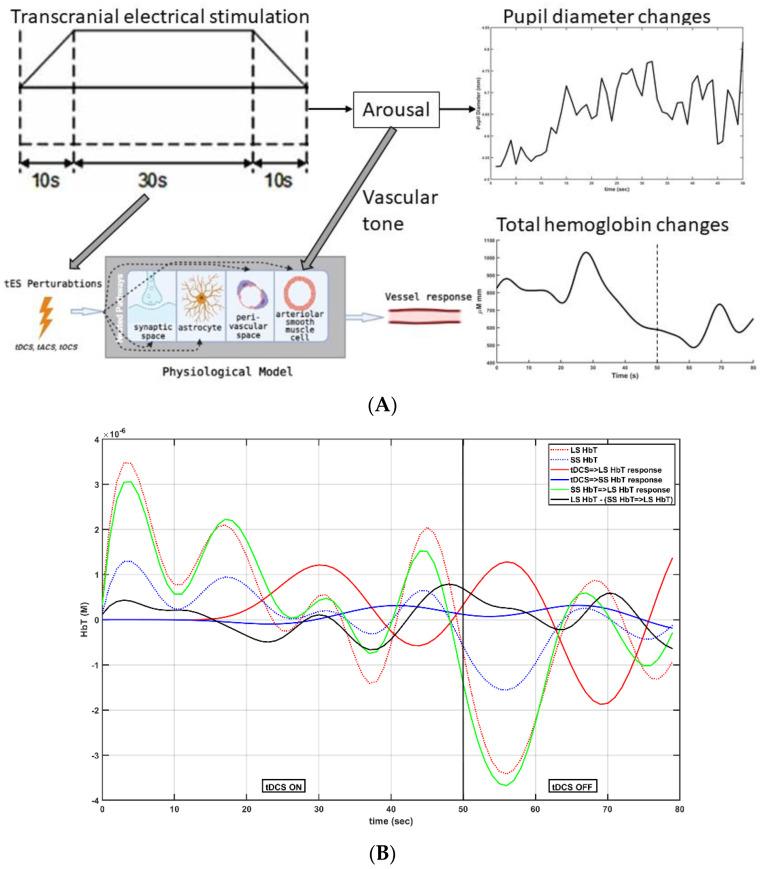
Individual differences in the responsiveness of the brain to transcranial electrical stimulation (tES) are increasingly demonstrated by the large variability in the effects of tES. Anatomically detailed computational brain models have been developed to address this variability; however, static brain models are not “realistic” in accounting for the dynamic state of the brain. Therefore, human-in-the-loop optimization at the point of care is proposed in this perspective article based on systems analysis of the neurovascular effects of tES. First, modal analysis was conducted using a physiologically detailed neurovascular model that found stable modes in the 0 Hz to 0.05 Hz range for the pathway for vessel response through the smooth muscle cells, measured with functional near-infrared spectroscopy (fNIRS). During tES, the transient sensations can have arousal effects on the hemodynamics, so we present a healthy case series for black-box modeling of fNIRS−pupillometry of short-duration tDCS effects. The block exogeneity test rejected the claim that tDCS is not a one-step Granger cause of the fNIRS total hemoglobin changes (HbT) and pupil dilation changes (p < 0.05). Moreover, grey-box modeling using fNIRS of the tDCS effects in chronic stroke showed the HbT response to be significantly different (paired-samples t-test, p < 0.05) between the ipsilesional and contralesional hemispheres for primary motor cortex tDCS and cerebellar tDCS, which was subserved by the smooth muscle cells. Here, our opinion is that various physiological pathways subserving the effects of tES can lead to state−trait variability, which can be challenging for clinical translation. Therefore, we conducted a case study on human-in-the-loop optimization using our reduced-dimensions model and a stochastic, derivative-free covariance matrix adaptation evolution strategy. We conclude from our computational analysis that human-in-the-loop optimization of the effects of tES at the point of care merits investigation in future studies for reducing inter-subject and intra-subject variability in neuromodulation.
经颅电刺激(tES)对大脑的反应存在个体差异,这一点越来越多地通过tES效应的巨大变异性得到证明。人们已经开发出解剖结构详细的计算脑模型来解决这种变异性;然而,静态脑模型在解释大脑的动态状态方面并不“现实”。因此,在这篇观点文章中,基于对tES神经血管效应的系统分析,提出了在护理点进行人在回路优化。首先,使用生理细节丰富的神经血管模型进行模态分析,该模型通过功能近红外光谱(fNIRS)测量,发现血管通过平滑肌细胞的反应途径在0 Hz至0.05 Hz范围内存在稳定模式。在tES期间,短暂的感觉可能会对血流动力学产生唤醒作用,因此我们展示了一个健康案例系列,用于对短时间经颅直流电刺激(tDCS)效应的fNIRS - 瞳孔测量进行黑箱建模。块外生性检验拒绝了tDCS不是fNIRS总血红蛋白变化(HbT)和瞳孔扩张变化的一步格兰杰原因的说法(p < 0.05)。此外,使用fNIRS对慢性中风患者的tDCS效应进行灰箱建模显示,对于初级运动皮层tDCS和小脑tDCS,同侧和对侧半球之间的HbT反应存在显著差异(配对样本t检验,p < 0.05),这是由平滑肌细胞介导的。在这里,我们的观点是,tES效应所涉及的各种生理途径会导致状态 - 特质变异性,这对临床转化可能具有挑战性。因此,我们使用降维模型和随机、无导数协方差矩阵自适应进化策略进行了人在回路优化的案例研究。我们从计算分析中得出结论,在护理点对tES效应进行人在回路优化值得在未来研究中进行调查,以减少神经调节中的个体间和个体内变异性。




 Zotero 插件