
妊娠相关 X 受体和吲哚-3-丙酸塑造肠道间质以抑制炎症和纤维化。
The Pregnane X Receptor and Indole-3-Propionic Acid Shape the Intestinal Mesenchyme to Restrain Inflammation and Fibrosis.
机构信息
Department of Physiology & Pharmacology, University of Calgary, Calgary, AB, Canada; Snyder Institute for Chronic Diseases, University of Calgary, Calgary, AB, Canada; Alberta Children's Hospital Research Institute, University of Calgary, Calgary, AB, Canada.
Department of Physiology & Pharmacology, University of Calgary, Calgary, AB, Canada; Snyder Institute for Chronic Diseases, University of Calgary, Calgary, AB, Canada.
出版信息
Cell Mol Gastroenterol Hepatol. 2023;15(3):765-795. doi: 10.1016/j.jcmgh.2022.10.014. Epub 2022 Oct 26.
BACKGROUND & AIMS: Fibrosis is a common complication of inflammatory bowel diseases (IBDs). The pregnane X receptor (PXR) (encoded by NR1I2) suppresses intestinal inflammation and has been shown to influence liver fibrosis. In the intestine, PXR signaling is influenced by microbiota-derived indole-3-propionic acid (IPA). Here, we sought to assess the role of the PXR in regulating intestinal inflammation and fibrosis.
METHODS
Intestinal inflammation was induced using dextran sulfate sodium (DSS). Fibrosis was assessed in wild-type (WT), Nr1i2, epithelial-specific Nr1i2, and fibroblast-specific Nr1i2 mice. Immune cell influx was quantified by flow cytometry and cytokines by Luminex. Myofibroblasts isolated from WT and Nr1i2 mice were stimulated with cytomix or lipopolysaccharide, and mediator production was assessed by quantitative polymerase chain reaction and Luminex.
RESULTS
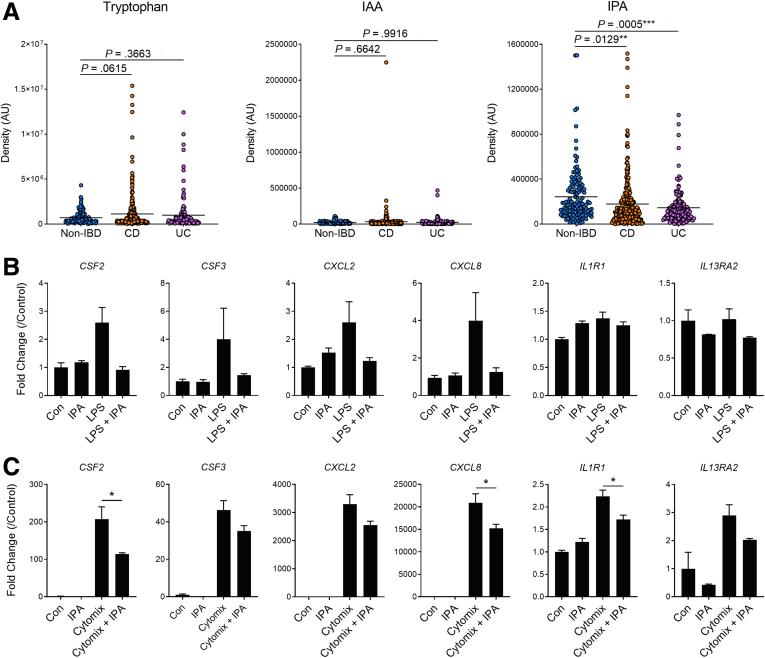
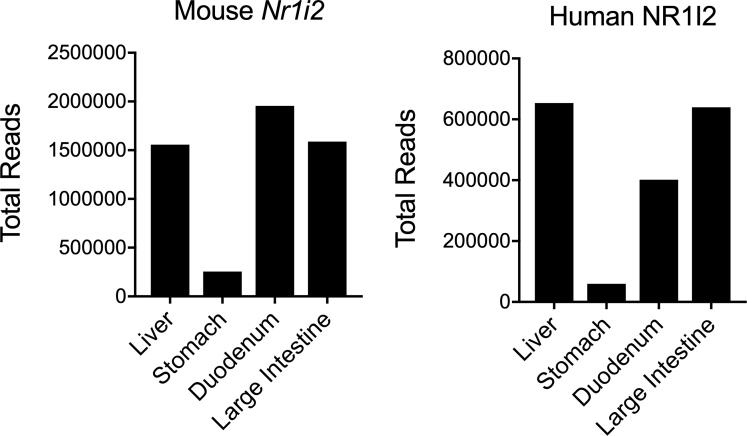
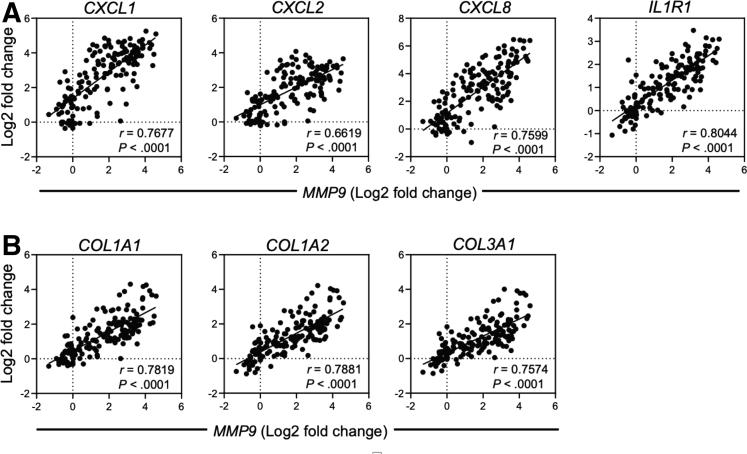
After recovery from DSS-induced colitis, WT mice exhibited fibrosis, a response that was exacerbated in Nr1i2 mice. This was correlated with greater neutrophil infiltration and innate cytokine production. Deletion of the PXR in fibroblasts, but not the epithelium, recapitulated this phenotype. Inflammation and fibrosis were reduced by IPA administration, whereas depletion of the microbiota exaggerated intestinal fibrosis. Nr1i2-deficient myofibroblasts were hyperresponsive to stimulation, producing increased levels of inflammatory mediators compared with WT cells. In biopsies from patients with active Crohn's disease (CD) and ulcerative colitis (UC), expression of NR1I2 was reduced, correlating with increased expression of fibrotic and innate immune genes. Finally, both CD and UC patients exhibited reduced levels of fecal IPA.
CONCLUSIONS
These data highlight a role for IPA and its interactions with the PXR in regulating the mesenchyme and the development of inflammation and fibrosis, suggesting microbiota metabolites may be a vital determinant in the progression of fibrotic complications in IBD.
背景与目的
纤维化是炎症性肠病(IBD)的常见并发症。孕烷 X 受体(PXR)(由 NR1I2 编码)可抑制肠道炎症,并已被证明可影响肝纤维化。在肠道中,PXR 信号受微生物衍生的吲哚-3-丙酸(IPA)的影响。在这里,我们试图评估 PXR 在调节肠道炎症和纤维化中的作用。
方法
使用葡聚糖硫酸钠(DSS)诱导肠道炎症。在野生型(WT)、Nr1i2、上皮特异性 Nr1i2 和成纤维细胞特异性 Nr1i2 小鼠中评估纤维化。通过流式细胞术定量免疫细胞浸润,通过 Luminex 定量细胞因子。用细胞因子混合物或脂多糖刺激从 WT 和 Nr1i2 小鼠分离的肌成纤维细胞,并通过定量聚合酶链反应和 Luminex 评估介质产生。
结果
在从 DSS 诱导的结肠炎中恢复后,WT 小鼠表现出纤维化,而 Nr1i2 小鼠的纤维化反应更为严重。这与更多的中性粒细胞浸润和先天细胞因子产生有关。成纤维细胞中 PXR 的缺失,但不是上皮细胞,重现了这种表型。IPA 的给药减轻了炎症和纤维化,而微生物组的缺失则加剧了肠道纤维化。与 WT 细胞相比,Nr1i2 缺陷的肌成纤维细胞对刺激反应更敏感,产生更高水平的炎症介质。在活动性克罗恩病(CD)和溃疡性结肠炎(UC)患者的活检中,NR1I2 的表达减少,与纤维化和先天免疫基因的表达增加相关。最后,CD 和 UC 患者粪便中的 IPA 水平均降低。
结论
这些数据强调了 IPA 及其与 PXR 的相互作用在调节间充质和炎症及纤维化发展中的作用,表明微生物群代谢物可能是 IBD 纤维化并发症进展的重要决定因素。




 Zotero 插件