
银和金纳米粒子的生物合成及其在抗菌、抗生物膜、细胞毒性和抗氧化活性方面的功效。
Biosynthesis of Silver and Gold Nanoparticles and Their Efficacy Towards Antibacterial, Antibiofilm, Cytotoxicity, and Antioxidant Activities.
机构信息
Botany and Microbiology Department, Faculty of Science, Al-Azhar University, 11884, Nasr City, Cairo, Egypt.
出版信息
Appl Biochem Biotechnol. 2023 Feb;195(2):1158-1183. doi: 10.1007/s12010-022-04199-7. Epub 2022 Nov 7.
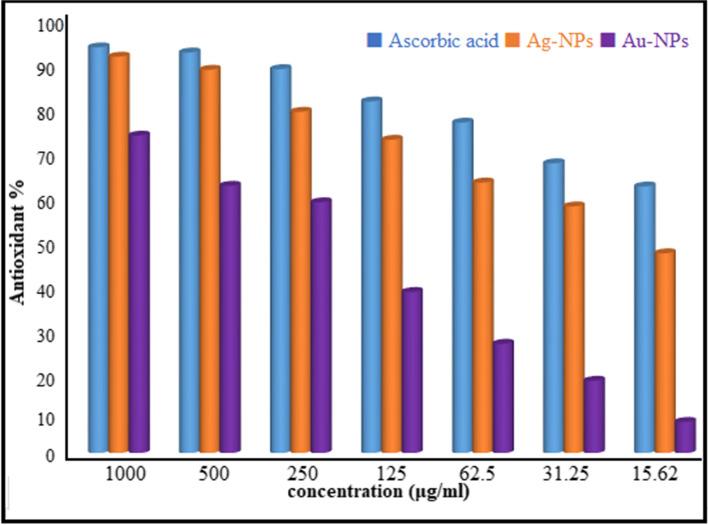
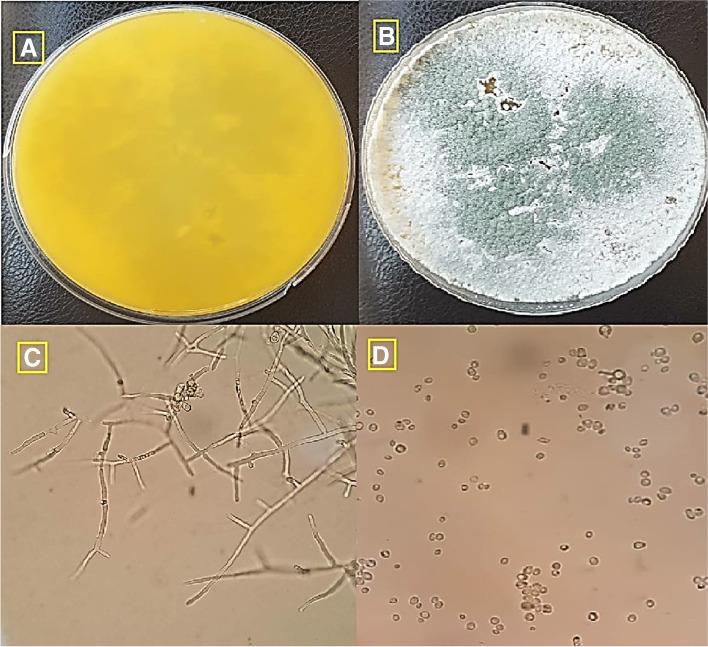
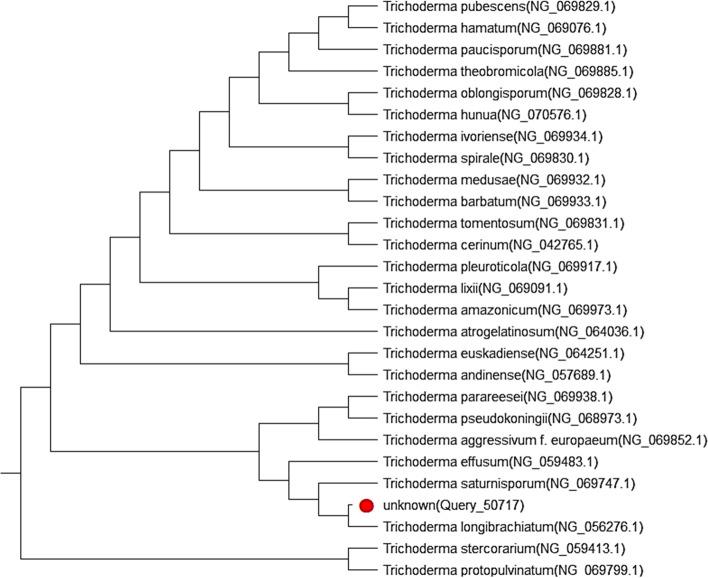
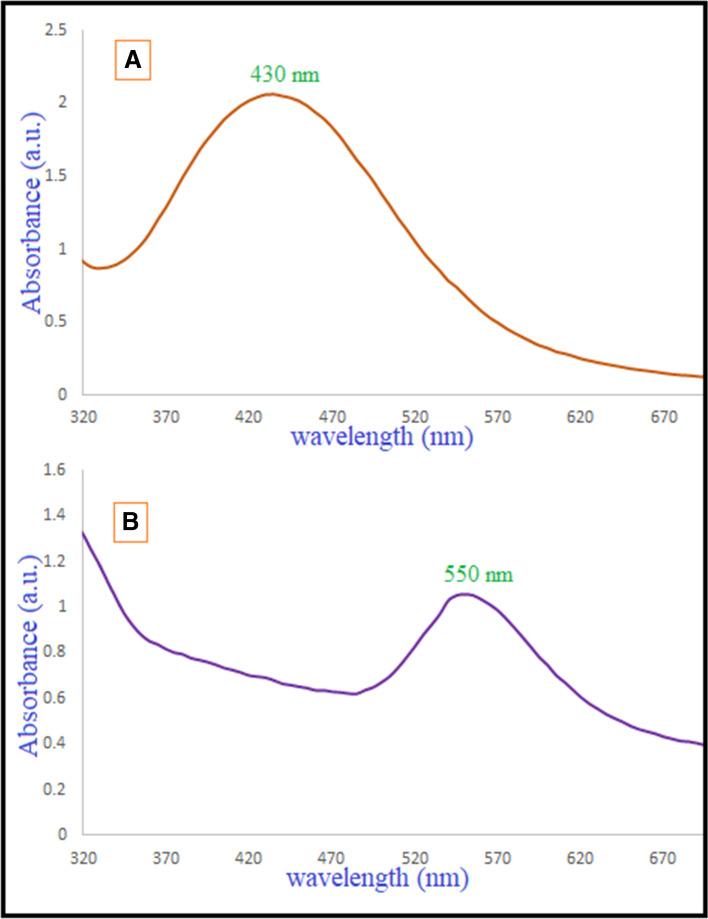
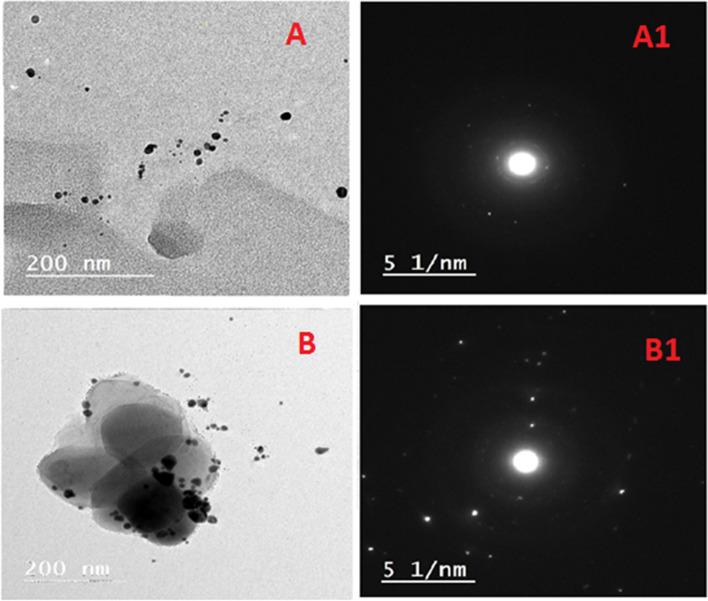
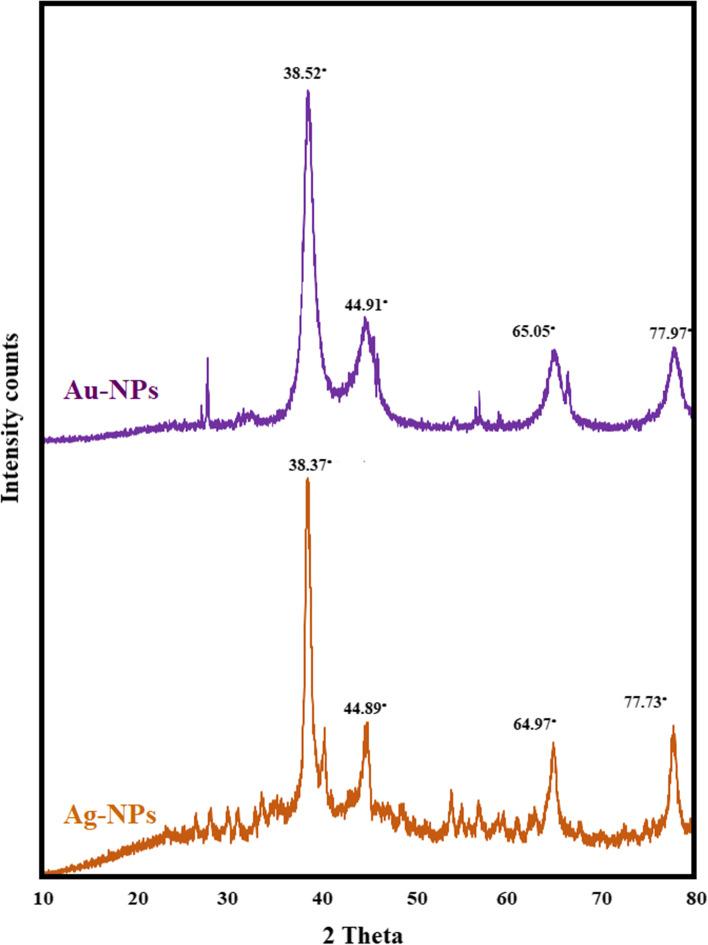
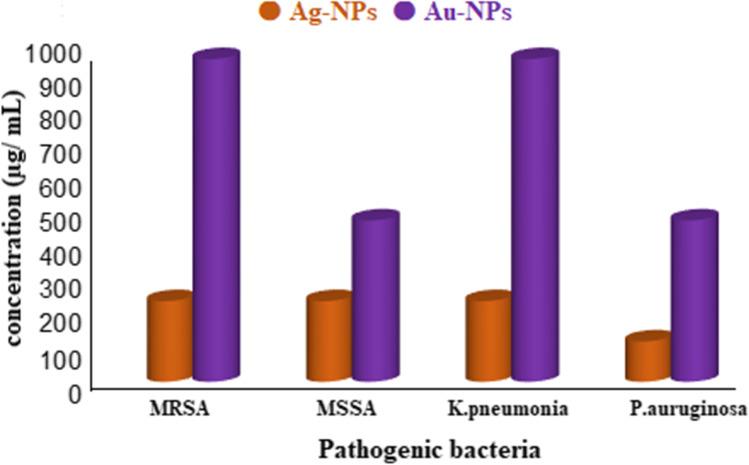
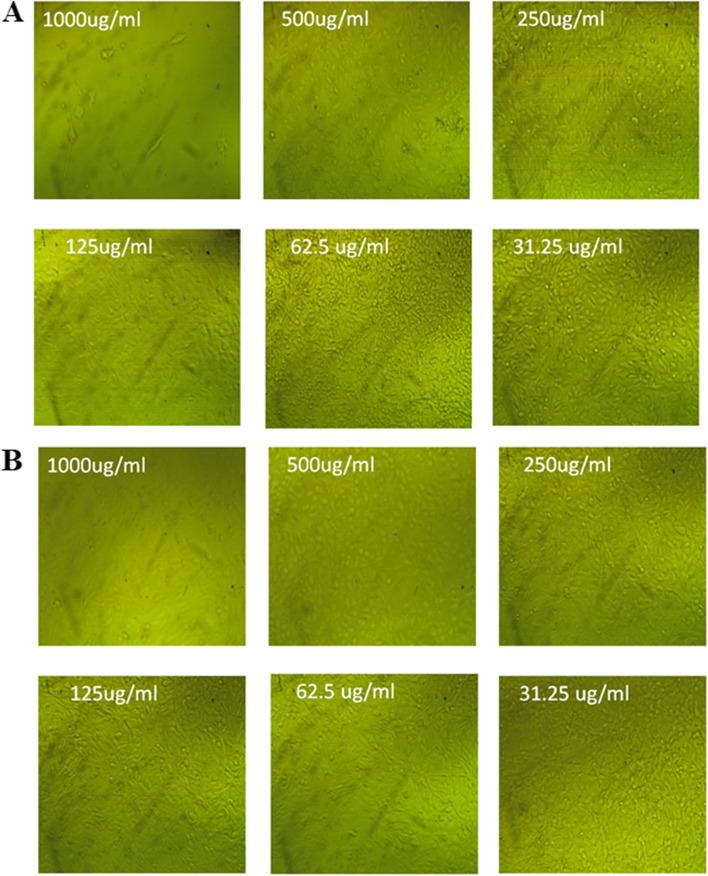
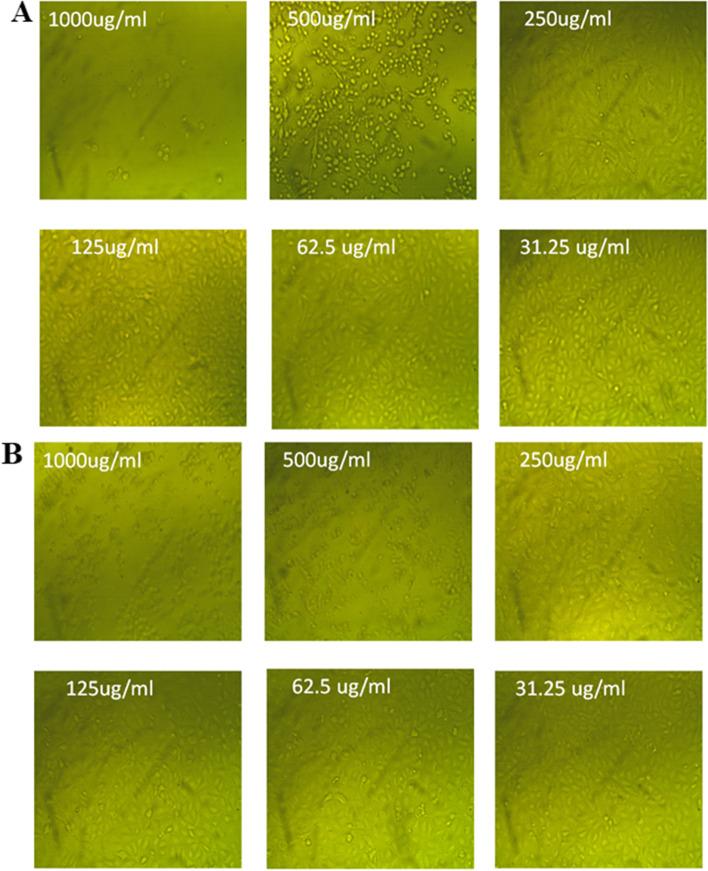
The World Health Organization (WHO) reports that the emergence of multidrug-resistant and the slow advent of novel and more potent antitumor and antimicrobial chemotherapeutics continue to be of the highest concern for human health. Additionally, the stability, low solubility, and negative effects of existing drugs make them ineffective. Studies into alternative tactics to tackle such tenacious diseases was sparked by anticancer and antibacterial. Silver (Ag) and gold (Au) nanoparticles (NPs) were created from Trichoderma saturnisporum, the much more productive fungal strain. Functional fungal extracellular enzymes and proteins carried out the activities of synthesis and capping of the generated nano-metals. Characterization was done on the obtained Ag-NPs and Au-NPs through UV-vis, FTIR, XRD, TEM, and SEM. Additionally, versus methicillin-sensitive Staphylococcus aureus (MSSA) and methicillin-resistant Staphylococcus aureus (MRSA), Pseudomonas aeruginosa, and Klebsiella pneumoniae, the antibacterial activities of Ag-NPs and Au-NPs were assessed. In particular, the Ag-NPs were more effective against pathogenic bacteria than Au-NPs. Furthermore, antibiofilm study that shown Au-NPs had activity more than Ag-NPs. Interestingly, applying the DPPH procedure, these noble metallic NPs had antioxidant activity, in which the IC for Ag-NPs and Au-NPs was 73.5 μg/mL and 190.0 μg/mL, respectively. According to the cytotoxicity evaluation results, the alteration in the cells was shown as loss of their typical shape, partial or complete loss of monolayer, granulation, shrinking, or cell rounding with IC for normal Vero cell were 693.68 μg/mL and 661.24 μg/mL, for Ag-NPs and Au-NPs, respectively. While IC for cancer cell (Mcf7) was 370.56 μg/mL and 394.79 μg/mL for Ag-NPs and Au-NPs, respectively. Ag-NPs and Au-NPs produced via green synthesis have the potential to be employed in the medical industry as beneficial nanocompounds.
世界卫生组织(WHO)报告称,多药耐药性的出现以及新型、更有效的抗肿瘤和抗菌化学疗法的缓慢出现仍然是人类健康的最高关注点。此外,现有药物的稳定性、低溶解度和副作用使它们无效。对抗癌症和抗菌药物的研究引发了针对这些顽强疾病的替代策略。银(Ag)和金(Au)纳米粒子(NPs)是由产量更高的真菌菌株拟青霉(Trichoderma saturnisporum)制成的。功能性真菌细胞外酶和蛋白质执行了合成和纳米金属封端的活动。通过 UV-vis、FTIR、XRD、TEM 和 SEM 对获得的 Ag-NPs 和 Au-NPs 进行了表征。此外,还评估了 Ag-NPs 和 Au-NPs 对甲氧西林敏感金黄色葡萄球菌(MSSA)和耐甲氧西林金黄色葡萄球菌(MRSA)、铜绿假单胞菌和肺炎克雷伯菌的抗菌活性。特别是,Ag-NPs 对致病性细菌的抗菌活性强于 Au-NPs。此外,抗生物膜研究表明 Au-NPs 的活性强于 Ag-NPs。有趣的是,通过 DPPH 程序,这些贵金属 NPs 具有抗氧化活性,其中 Ag-NPs 和 Au-NPs 的 IC 分别为 73.5μg/mL 和 190.0μg/mL。根据细胞毒性评估结果,细胞的变化表现为失去典型形态、单层部分或完全丧失、颗粒化、收缩或细胞圆化,正常 Vero 细胞的 IC 分别为 693.68μg/mL 和 661.24μg/mL,Ag-NPs 和 Au-NPs 分别为 693.68μg/mL 和 661.24μg/mL。而 Ag-NPs 和 Au-NPs 对癌细胞(Mcf7)的 IC 分别为 370.56μg/mL 和 394.79μg/mL。通过绿色合成生产的 Ag-NPs 和 Au-NPs 有可能作为有益的纳米化合物应用于医疗行业。





 Zotero 插件