
硒状态、硒蛋白与 COVID-19 及其他炎症性疾病的关系:批判性综述。
Relationship between selenium status, selenoproteins and COVID-19 and other inflammatory diseases: A critical review.
机构信息
Departamento de Bioquímica e Biologia Molecular, Centro de Ciências Naturais e Exatas, Universidade Federal de Santa Maria, RS, Brazil.
Yaroslavl State University, Yaroslavl, Russia; Institute of Cellular and Intracellular Symbiosis, Russian Academy of Sciences, Orenburg, Russia; Institute of Bioelementology, Orenburg, Russia.
出版信息
J Trace Elem Med Biol. 2023 Jan;75:127099. doi: 10.1016/j.jtemb.2022.127099. Epub 2022 Nov 3.
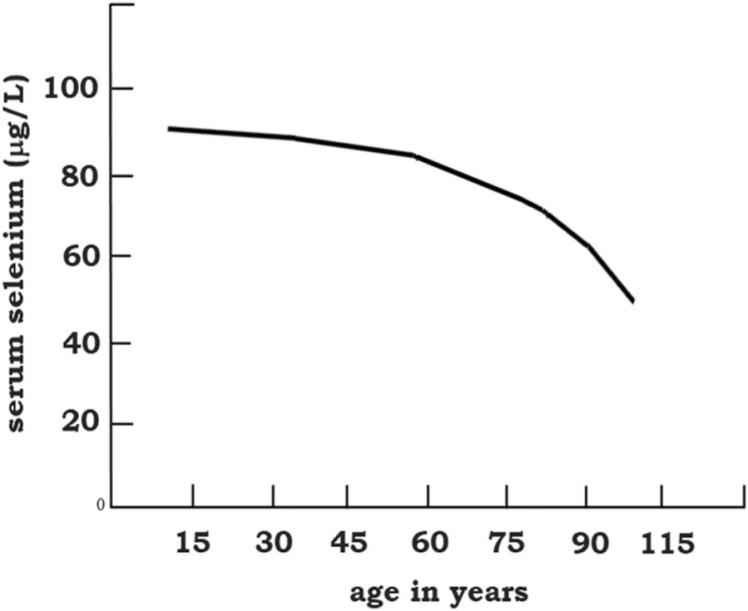
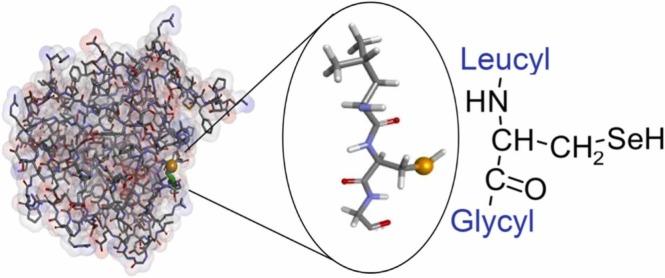
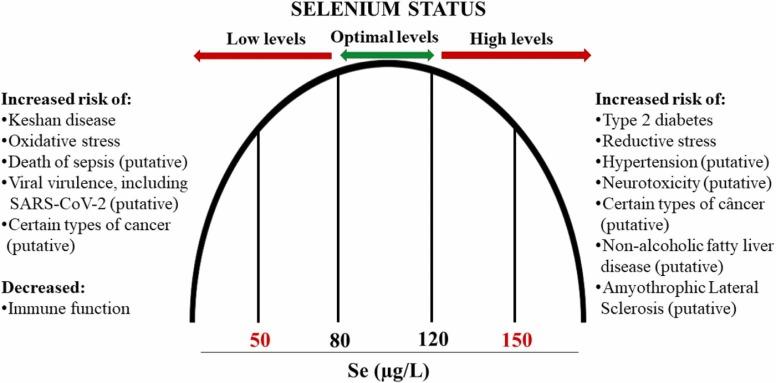
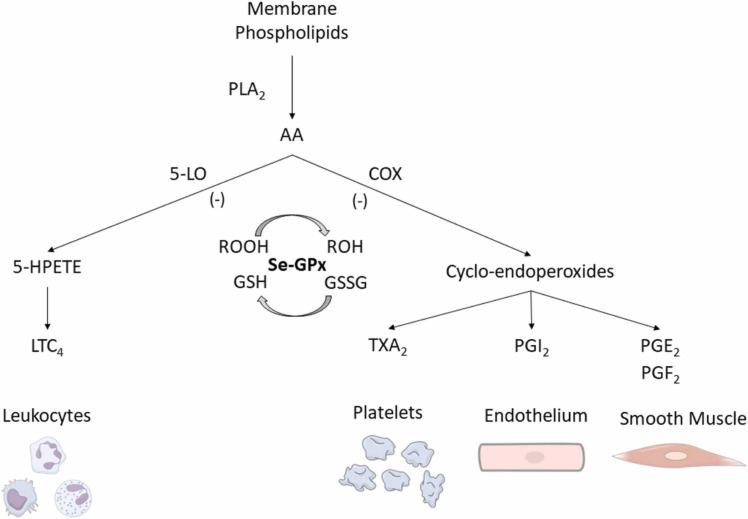
The antioxidant effects of selenium as a component of selenoproteins has been thought to modulate host immunity and viral pathogenesis. Accordingly, the association of low dietary selenium status with inflammatory and immunodeficiency has been reported in the literature; however, the causal role of selenium deficiency in chronic inflammatory diseases and viral infection is still undefined. The COVID-19, characterized by acute respiratory syndrome and caused by the novel coronavirus 2, SARS-CoV-2, has infected millions of individuals worldwide since late 2019. The severity and mortality from COVID-19 have been associated with several factor, including age, sex and selenium deficiency. However, available data on selenium status and COVID-19 are limited, and a possible causative role for selenium deficiency in COVID-19 severity has yet to be fully addressed. In this context, we review the relationship between selenium, selenoproteins, COVID-19, immune and inflammatory responses, viral infection, and aging. Regardless of the role of selenium in immune and inflammatory responses, we emphasize that selenium supplementation should be indicated after a selenium deficiency be detected, particularly, in view of the critical role played by selenoproteins in human health. In addition, the levels of selenium should be monitored after the start of supplementation and discontinued as soon as normal levels are reached. Periodic assessment of selenium levels after supplementation is a critical issue to avoid over production of toxic metabolites of selenide because under normal conditions, selenoproteins attain saturated expression levels that limits their potential deleterious metabolic effects.
硒作为硒蛋白的一种成分,具有抗氧化作用,被认为可以调节宿主免疫和病毒发病机制。因此,文献中报道了低膳食硒状态与炎症和免疫缺陷之间的关联;然而,硒缺乏在慢性炎症性疾病和病毒感染中的因果作用仍未确定。
自 2019 年底以来,COVID-19 以急性呼吸综合征为特征,由新型冠状病毒 2(SARS-CoV-2)引起,已感染了全球数百万人。COVID-19 的严重程度和死亡率与几个因素有关,包括年龄、性别和硒缺乏。然而,关于硒状态和 COVID-19 的可用数据有限,硒缺乏在 COVID-19 严重程度中的因果作用尚未得到充分解决。
在这方面,我们回顾了硒、硒蛋白、COVID-19、免疫和炎症反应、病毒感染和衰老之间的关系。无论硒在免疫和炎症反应中的作用如何,我们都强调,只有在检测到硒缺乏后,才应进行硒补充,特别是考虑到硒蛋白在人类健康中所起的关键作用。此外,应在开始补充后监测硒水平,并在达到正常水平后立即停止补充。补充后定期评估硒水平是一个关键问题,以避免硒化物有毒代谢物的过度产生,因为在正常情况下,硒蛋白达到饱和表达水平,限制了其潜在的有害代谢作用。
 Zotero 插件