
不同等离子体激活液的 pH 值对其抑菌活性和细胞毒性的影响。
Effect of the pH on the Antibacterial Potential and Cytotoxicity of Different Plasma-Activated Liquids.
机构信息
Science Applied to Oral Health, Graduate Program of Institute of Science and Technology, UNESP, São José dos Campos 12245-000, Brazil.
Laboratory of Plasmas and Applications, Department of Physics, Faculty of Engineering and Sciences, São Paulo State University (UNESP), Guaratinguetá 12516-410, Brazil.
出版信息
Int J Mol Sci. 2022 Nov 11;23(22):13893. doi: 10.3390/ijms232213893.
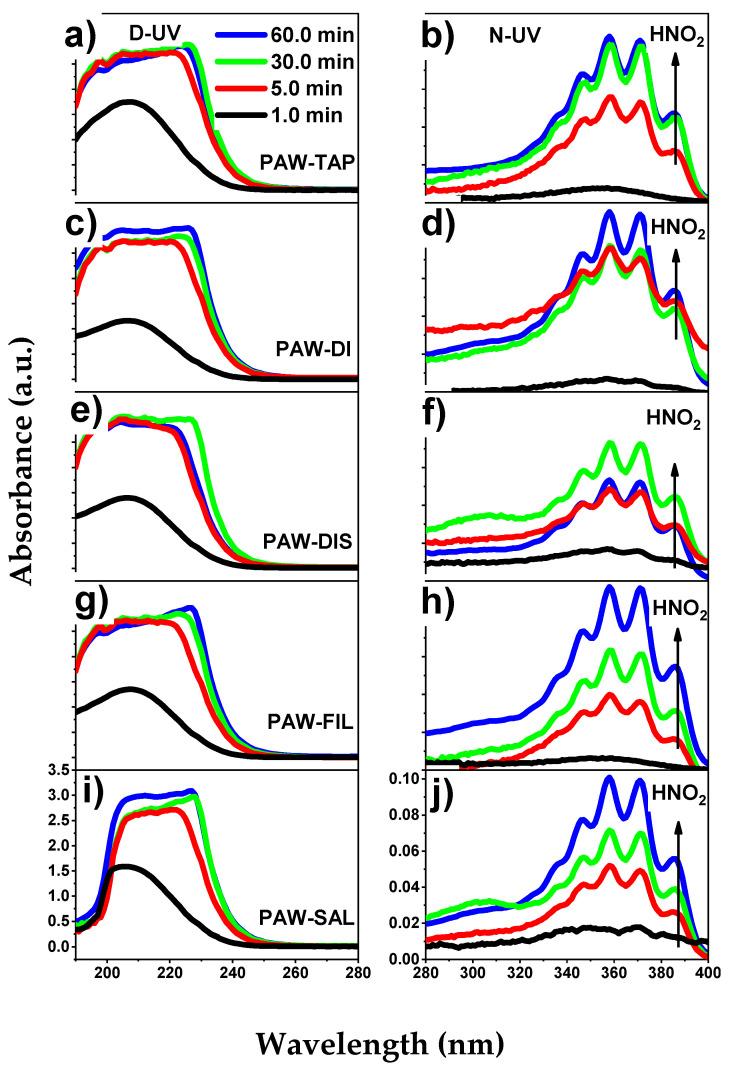
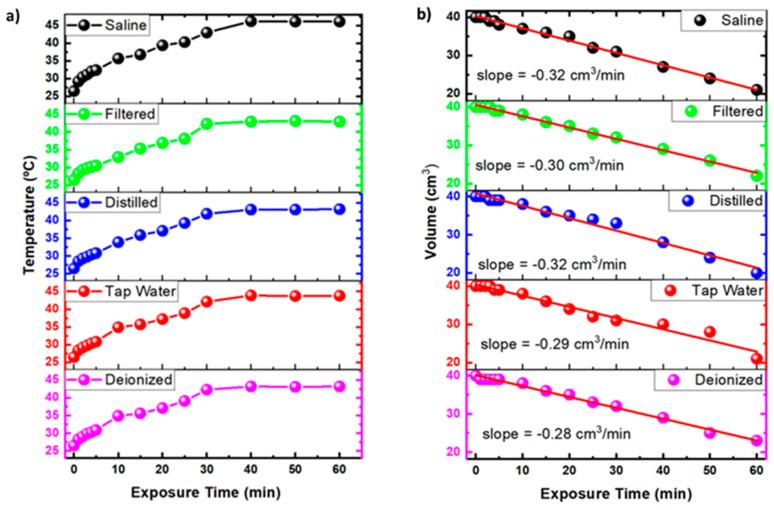
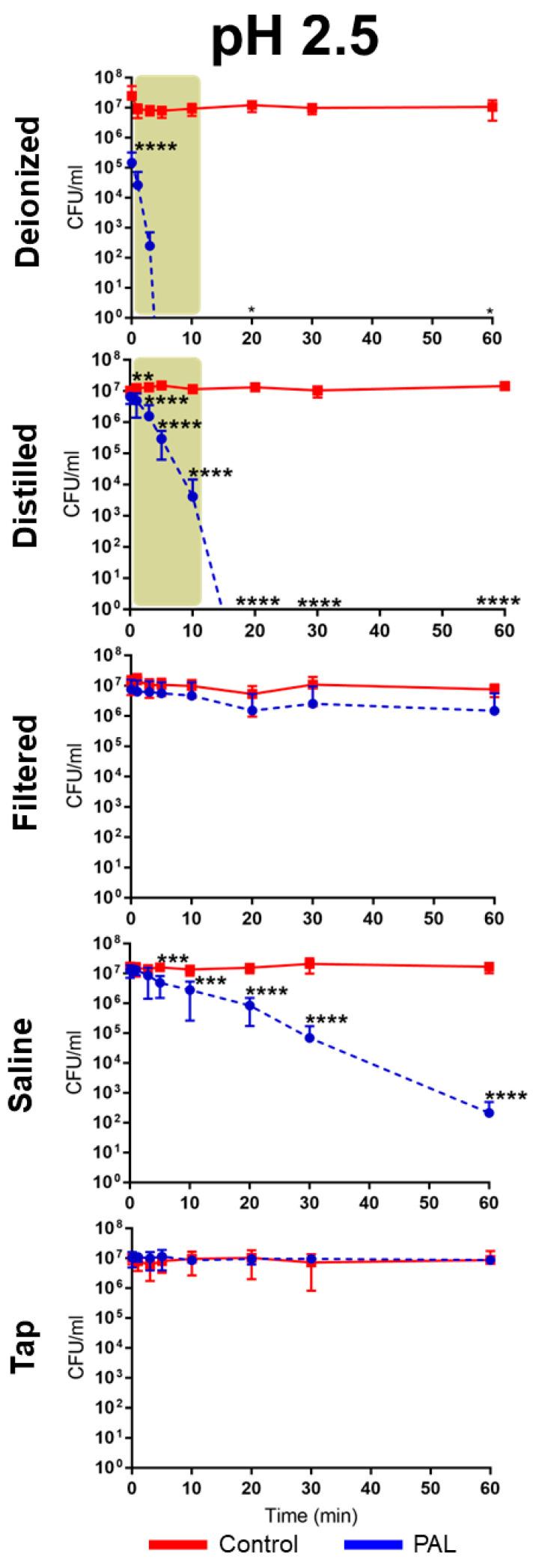
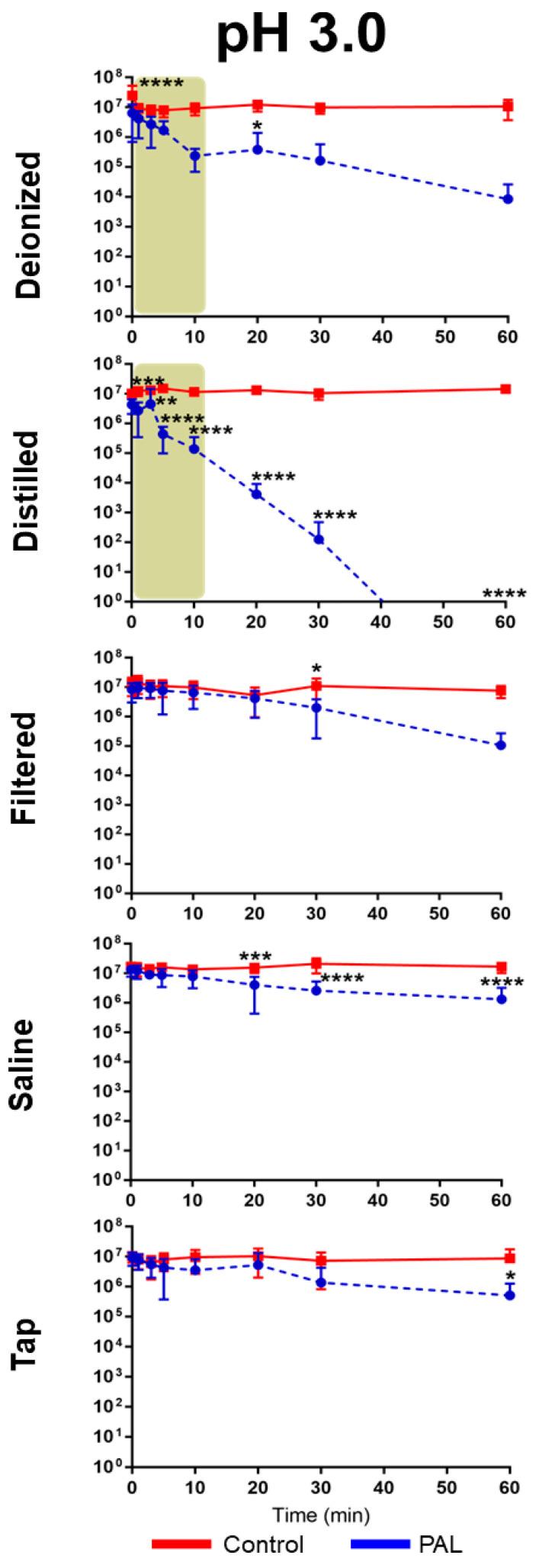
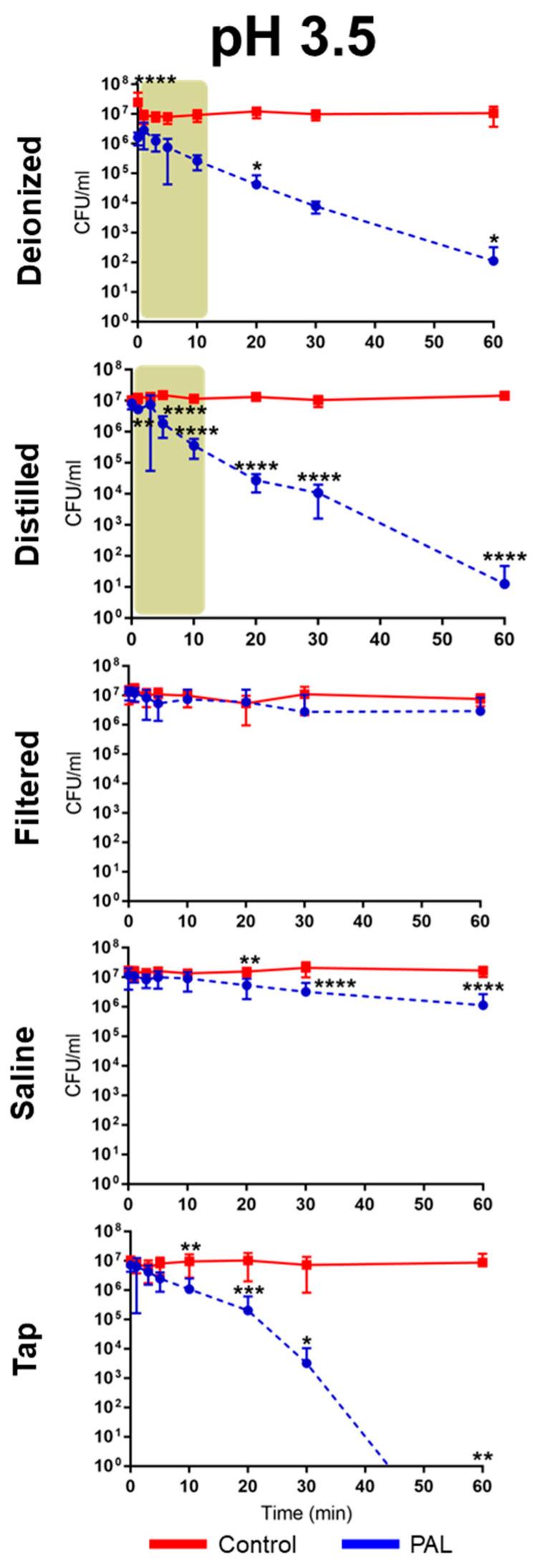
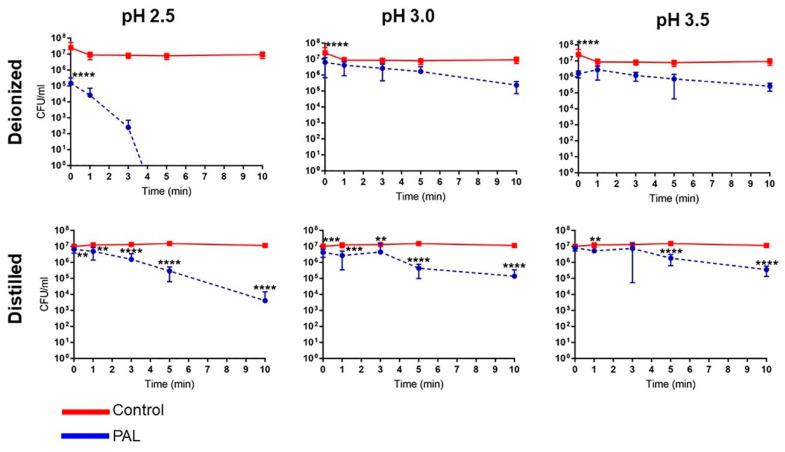
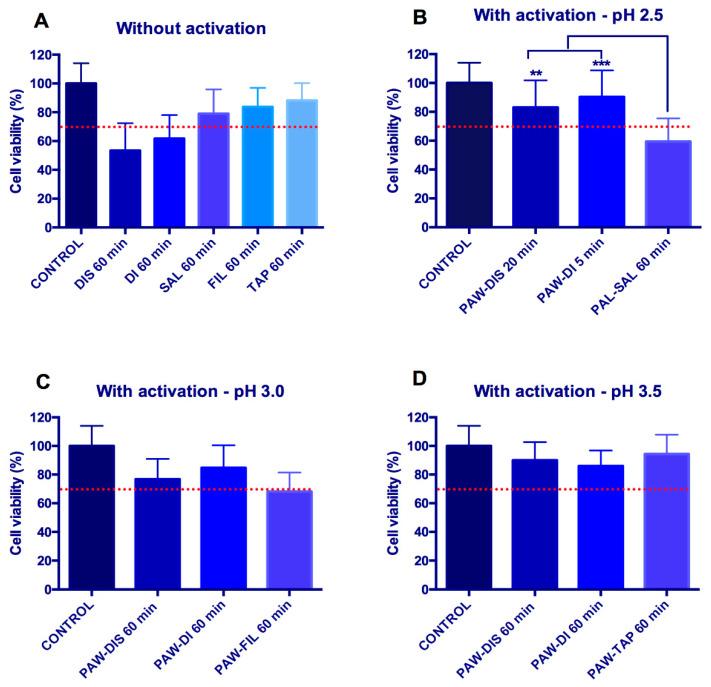
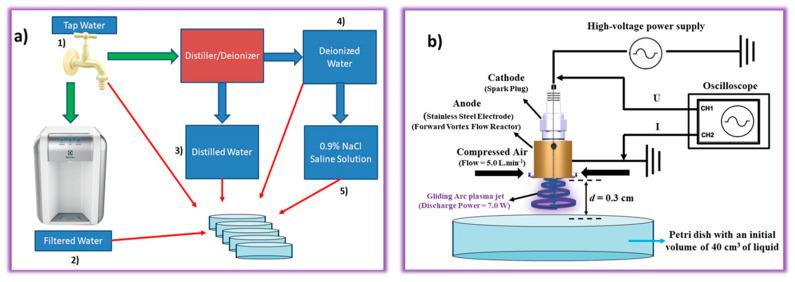
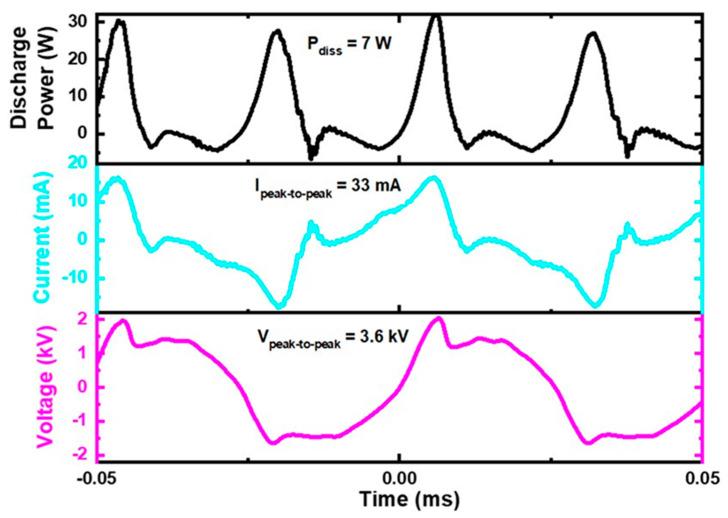
In this study, different plasma-activated liquids were evaluated for their antimicrobial effects against , as well as for their cytotoxicity on mammalian cells. The PALs were prepared from distilled (DIS), deionized (DI), filtered (FIL), and tap (TAP) water. Additionally, 0.9% NaCl saline solution (SAL) was plasma-activated. These PALs were prepared using 5 L/min air gliding arc plasma jet for up to 60.0 min of exposure. Subsequently, the physicochemical properties, such as, the oxidation-reduction potential (ORP), the pH, the conductivity, and the total dissolved solids (TDS) were characterized by a water multiparameter. The PALs obtained showed a drastic decrease in the pH with increasing plasma exposure time, in contrast, the conductivity and TDS increased. In a general trend, the UV-vis analyses identified a higher production of the following reactive species of nitrogen and oxygen (RONS), HNO, HO, NO, and NO. Except for the plasma-activated filtered water (PAW-FIL), where there was a change in the position of NO and NO at some pHs, The higher production of HNO and HO-reactive species was observed at a low pH. Finally, the standardized suspensions of were exposed to PAL for up to 60.0 min. The plasma-activated deionized water (PAW-DI pH 2.5), plasma-activated distilled water (PAW-DIS pH 2.5 and 3), and plasma-activated tap water (PAW-TAP 3.5) showed the best antimicrobial effects at exposure times of 3.0, 10.0, and 30.0 min, respectively. The MTT analysis demonstrated low toxicity of all of the PAL samples. Our results indicate that the plasma activation of different liquids using the gliding arc system can generate specific physicochemical conditions that produce excellent antibacterial effects for with a safe application, thus bringing future contributions to creating new antimicrobial protocols.
在这项研究中,评估了不同的等离子体激活液体对 的抗菌效果,以及对哺乳动物细胞的细胞毒性。PALS 是由蒸馏水(DISTILLED,DIS)、去离子水(DEIONIZED,DI)、过滤水(FILTRATED,FIL)和自来水(TAP)制备的。此外,还对 0.9%的生理盐水(SALINE SOLUTION,SAL)进行了等离子体激活。这些 PALS 是使用 5 L/min 的空气滑动电弧等离子体射流制备的,暴露时间长达 60.0 分钟。随后,通过水多参数仪对物理化学性质,如氧化还原电位(Oxidation-Reduction Potential,ORP)、pH 值、电导率和总溶解固体(Total Dissolved Solids,TDS)进行了表征。随着等离子体暴露时间的增加,获得的 PALS 的 pH 值急剧下降,而电导率和 TDS 增加。总的来说,紫外-可见分析表明,氮氧(Reactive Species of Nitrogen and Oxygen,RONS)、HNO、HO、NO 和 NO 的生成量增加。除了等离子体激活过滤水(Plasma-Activated Filtered Water,PAW-FIL)在某些 pH 值下 NO 和 NO 的位置发生变化外,在低 pH 值下观察到 HNO 和 HO 反应性物质的生成量增加。最后,将 的标准化混悬液暴露于 PALS 中,时间长达 60.0 分钟。等离子体激活去离子水(Plasma-Activated Deionized Water,PAW-DI pH 2.5)、等离子体激活蒸馏水(Plasma-Activated Distilled Water,PAW-DIS pH 2.5 和 3)和等离子体激活自来水(Plasma-Activated Tap Water,PAW-TAP 3.5)在暴露时间分别为 3.0、10.0 和 30.0 分钟时表现出最好的抗菌效果。MTT 分析表明,所有 PALS 样品的毒性都较低。我们的结果表明,使用滑动电弧系统对不同液体进行等离子体激活可以产生特定的物理化学条件,为 提供优异的抗菌效果,并具有安全的应用,从而为创造新的抗菌方案做出未来贡献。
 Zotero 插件