
2009 - 2019年美国各县的种族/族裔居住隔离以及阿片类药物和物质使用治疗设施的可及性
Racial/ethnic residential segregation and the availability of opioid and substance use treatment facilities in US counties, 2009-2019.
作者信息
DiNardi Michael, Swann William L, Kim Serena Y
机构信息
Department of Economics, University of Rhode Island, 142 Flagg Road, Kingston, RI, 02881, USA.
School of Public Affairs, University of Colorado Denver, 1380 Lawrence Street Suite 500, Denver, CO, 80204, USA.
出版信息
SSM Popul Health. 2022 Nov 19;20:101289. doi: 10.1016/j.ssmph.2022.101289. eCollection 2022 Dec.
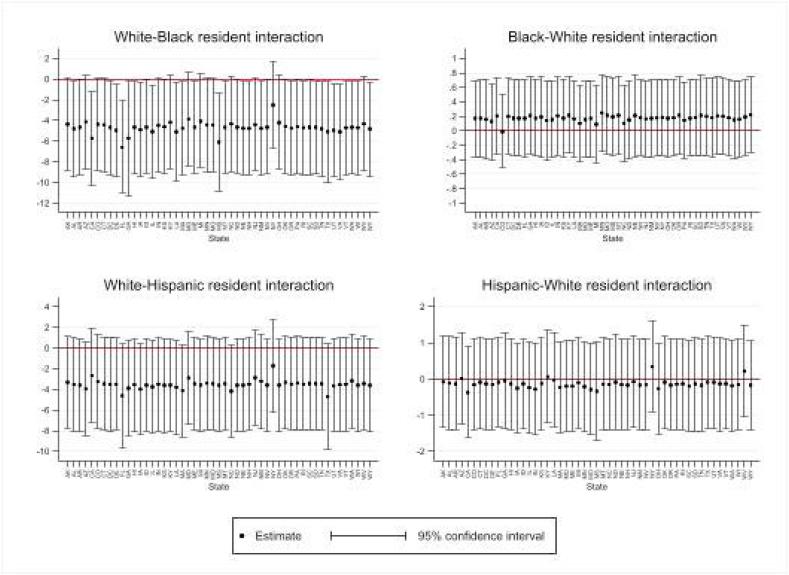
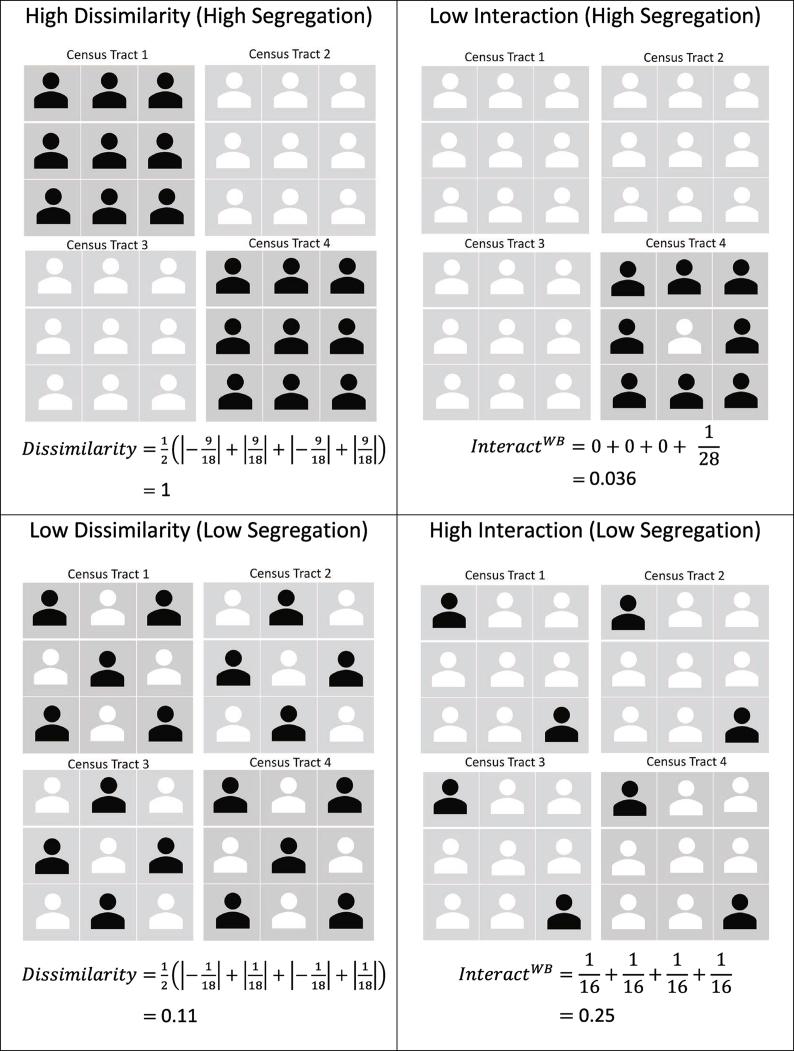
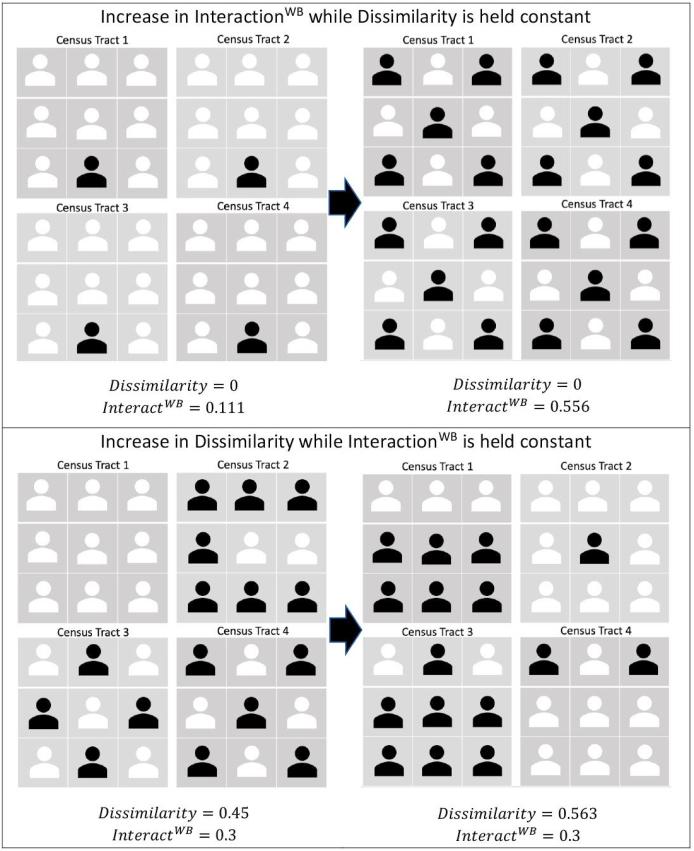
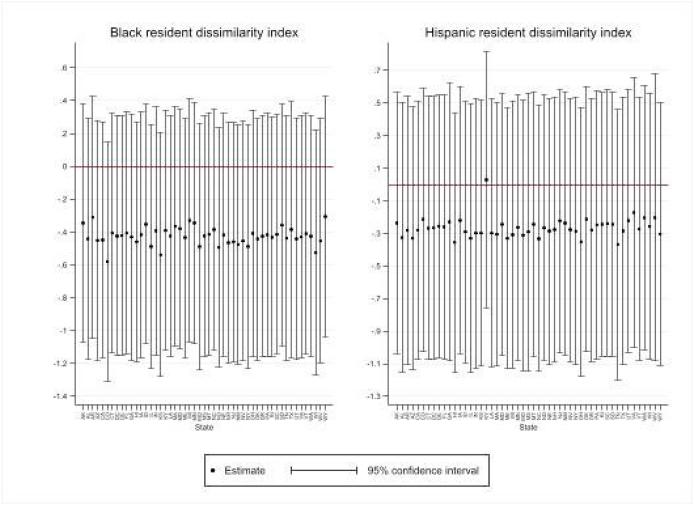
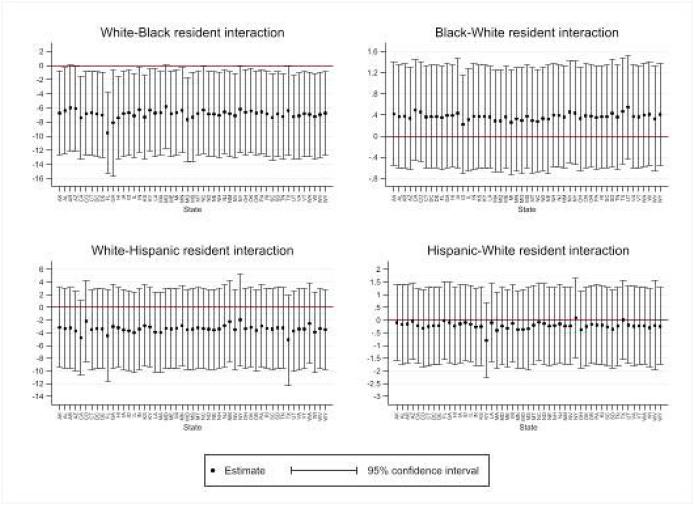
Deaths due to synthetic opioids have increased at higher rates for Blacks and Hispanics than for Whites in the last decade. Meanwhile, Blacks and Hispanics experience lower opioid treatment rates and have less availability of medication-assisted treatment (MAT) via office-based buprenorphine in their counties compared to Whites. Racial/ethnic residential segregation is a recognized barrier to equal availability of MAT, but little is known about how such segregation is associated with opioid and substance use treatment availability over time and across Census regions and urban-rural lines. We combined data from the Substance Abuse and Mental Health Services Administration's National Survey of Substance Abuse Treatment Services for 2009, 2014, and 2019 with the 5-year American Community Surveys of 2009, 2014, and 2019 to examine associations between residential segregation indices of dissimilarity and interaction and substance use treatment facilities per 100,000 population, including those providing MAT, in US counties. Estimating county-level two-way fixed effects models and controlling for county-level covariates, we find modest evidence of associations. Despite mostly null findings, an increased likelihood of exposure of Whites to Blacks in a county is associated with fewer substance use treatment facilities per 100,000, particularly those providing MAT via buprenorphine and located in Northeastern and Midwestern counties. Also, a more unequal distribution of Hispanics is associated with fewer facilities per 100,000 providing MAT, and this association is strongest in Southern and Western counties. These associations are driven by recent years (2014-2019) when synthetic opioids became the leading cause of opioid mortality and Blacks and Hispanics began dying at faster rates than Whites. Mixed evidence, however, tempers conclusions for how residential segregation drives racial/ethnic disparities in MAT availability.
在过去十年中,合成阿片类药物导致的死亡人数在黑人和西班牙裔中的增长率高于白人。与此同时,与白人相比,黑人和西班牙裔接受阿片类药物治疗的比例较低,且在其所在县通过基于办公室的丁丙诺啡进行药物辅助治疗(MAT)的机会较少。种族/族裔居住隔离是MAT平等可及性的一个公认障碍,但对于这种隔离如何随着时间推移以及在不同人口普查区域和城乡界限中与阿片类药物及物质使用治疗的可及性相关联,人们知之甚少。我们将物质滥用和精神健康服务管理局2009年、2014年和2019年的全国物质滥用治疗服务调查数据与2009年、2014年和2019年的五年期美国社区调查数据相结合,以研究美国各县每10万人口中不同和互动的居住隔离指数与物质使用治疗设施(包括提供MAT的设施)之间的关联。通过估计县级双向固定效应模型并控制县级协变量,我们发现了适度的关联证据。尽管大多结果不显著,但在一个县中白人接触黑人的可能性增加与每10万人中物质使用治疗设施减少有关,特别是那些通过丁丙诺啡提供MAT且位于东北部和中西部各县的设施。此外,西班牙裔分布更不平等与每10万人中提供MAT的设施减少有关,这种关联在南部和西部各县最为明显。这些关联是由近年来(2014 - 2019年)驱动的,当时合成阿片类药物成为阿片类药物死亡率的主要原因,黑人和西班牙裔的死亡率开始高于白人。然而,混合的证据使关于居住隔离如何导致MAT可及性方面的种族/族裔差异的结论变得不那么确定。


 Zotero 插件