
钙网蛋白家族蛋白中分子识别过程的构象选择和诱导契合的混合机制。
Mixed mechanism of conformational selection and induced fit as a molecular recognition process in the calreticulin family of proteins.
机构信息
Molecular Biophysics Unit, Indian Institute of Science, Bangalore-India.
出版信息
PLoS Comput Biol. 2022 Dec 12;18(12):e1010661. doi: 10.1371/journal.pcbi.1010661. eCollection 2022 Dec.
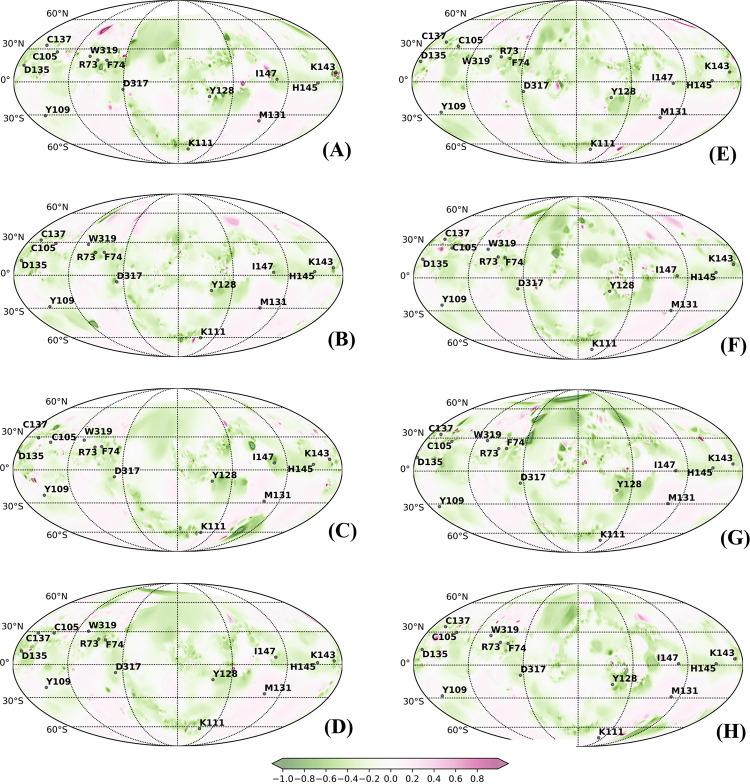
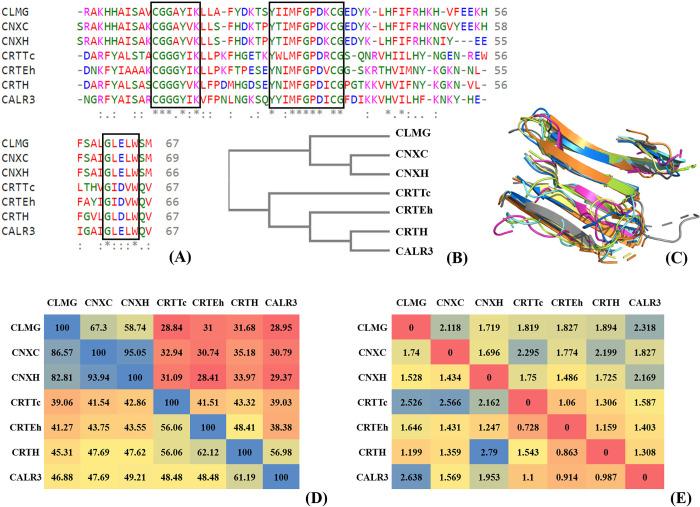
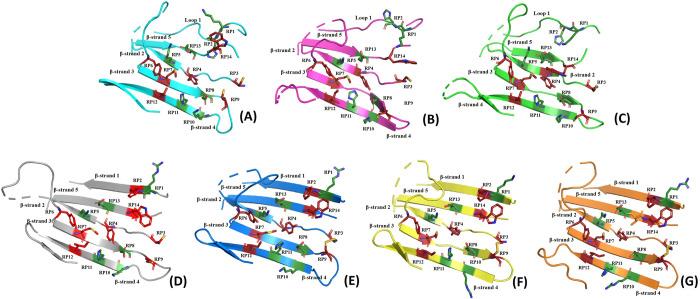
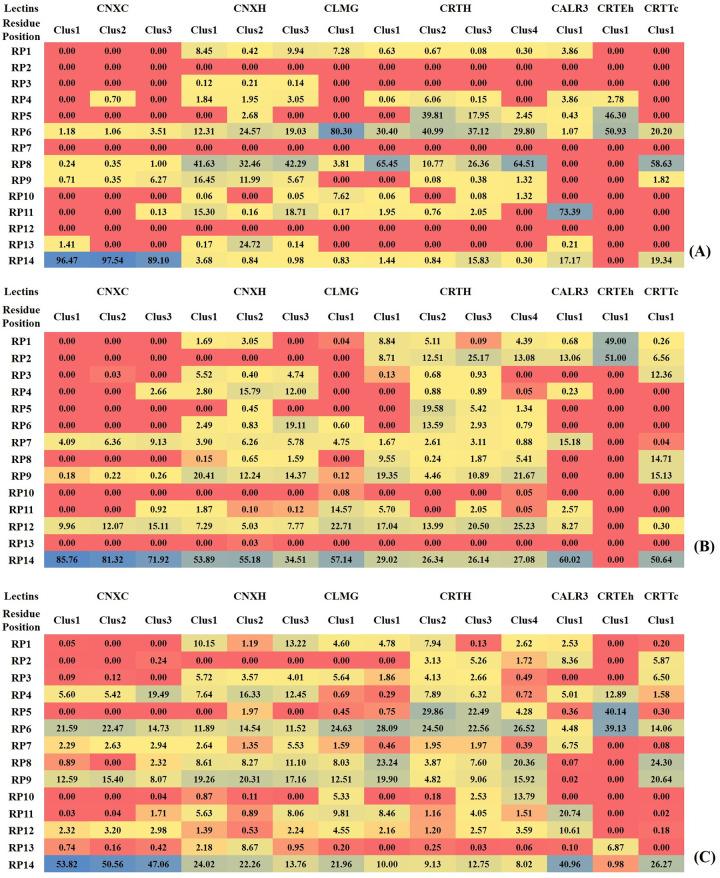
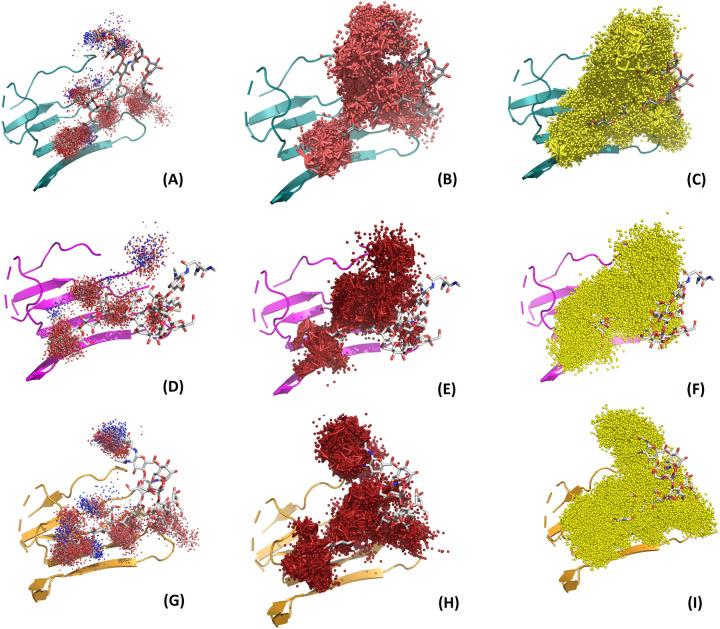
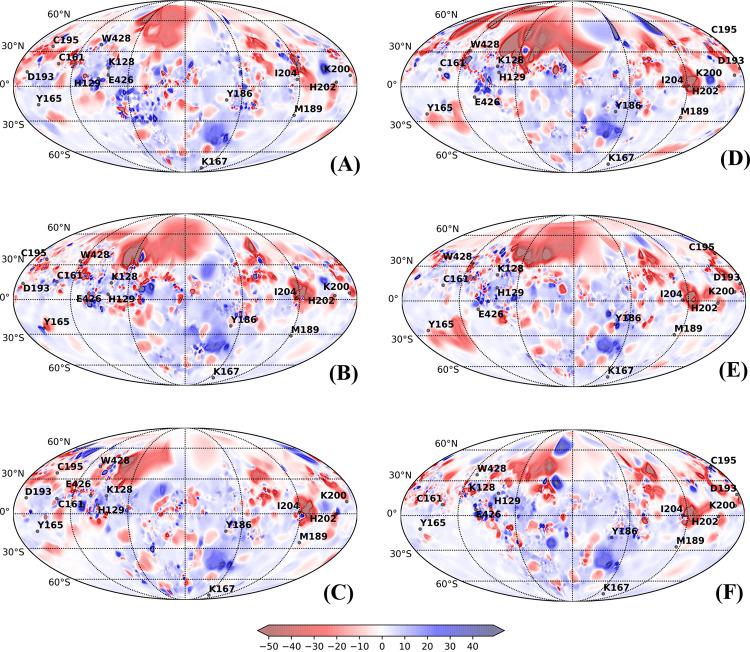
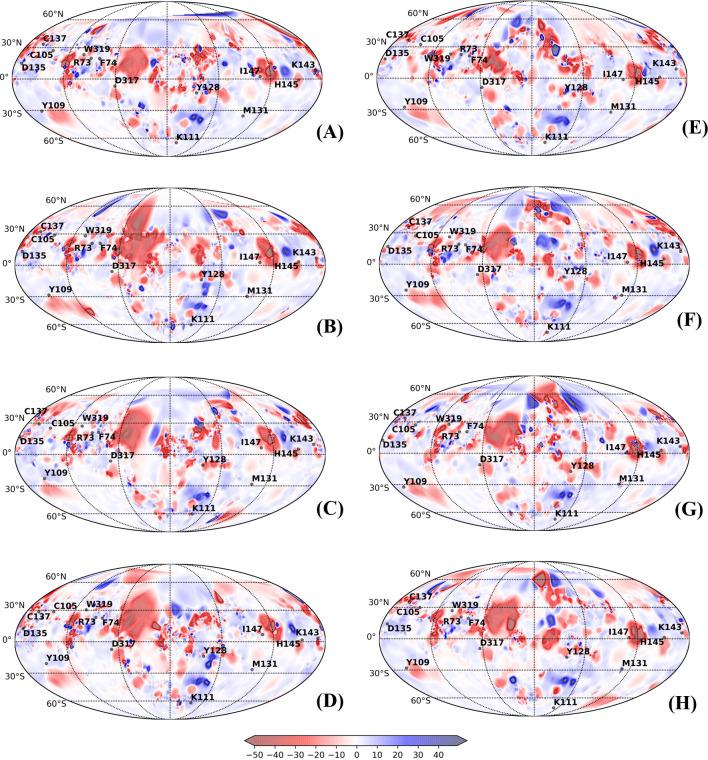
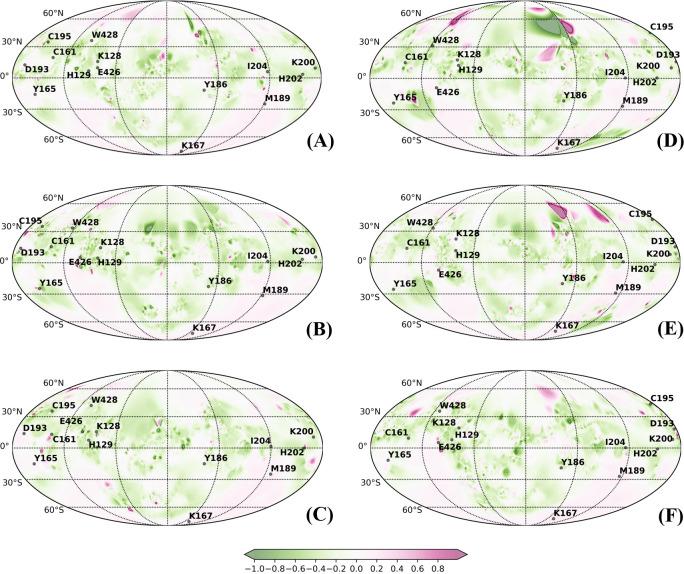
The fundamental question on the mechanism of molecular recognition during ligand binding has attracted a lot of scientific scrutiny. The two competing theories of ligand binding-"induced fit" and "conformational selection" have been proposed to explain biomolecular recognition. Since exploring a family of proteins with similar structural architectures and conserved functional roles can provide valuable insight into the significance of molecular structure and function, we performed molecular dynamics simulations on the calreticulin family of proteins, which specifically recognize monoglucosylated N-glycan during the protein folding process. Atomistic simulations of lectins in free and bound forms demonstrated that they exist in several conformations spanning from favorable to unfavorable for glycan binding. Our analysis was confined to the carbohydrate recognition domain (CRD) of these lectins to demonstrate the degree of conservation in protein sequence and structure and relate them with their function. Furthermore, we computed the lectin-glycan binding affinity using the mmPBSA approach to identify the most favorable lectin conformation for glycan binding and compared the molecular interaction fields in terms of noncovalent bond interactions. We also demonstrated the involvement of Tyr and Trp residues in the CRD with the non-reducing end glucose and central mannose residues, which contribute to some of the specific interactions. Furthermore, we analyzed the conformational changes in the CRD through SASA, RMSFs and protein surface topography mapping of electrostatic and hydrophobic potentials. Our findings demonstrate a hybrid mechanism of molecular recognition, initially driven by conformational selection followed by glycan-induced fluctuations in the key residues to strengthen the glycan binding interactions.
配体结合过程中分子识别机制的基本问题引起了科学界的广泛关注。为了解释生物分子识别,提出了两种竞争性的配体结合理论——“诱导契合”和“构象选择”。由于探索具有相似结构架构和保守功能作用的蛋白质家族可以为分子结构和功能的重要性提供有价值的见解,我们对钙网蛋白家族的蛋白质进行了分子动力学模拟,该蛋白家族在蛋白质折叠过程中特异性识别单葡萄糖化 N-聚糖。在自由和结合形式下对凝集素进行原子模拟表明,它们存在于几种构象中,从有利于糖结合的构象到不利于糖结合的构象都有。我们的分析仅限于这些凝集素的碳水化合物识别结构域(CRD),以展示蛋白质序列和结构的保守程度,并将其与功能联系起来。此外,我们使用 mmPBSA 方法计算了凝集素-聚糖的结合亲和力,以确定最有利于糖结合的凝集素构象,并根据非共价键相互作用比较分子相互作用场。我们还证明了 CRD 中的 Tyr 和 Trp 残基与非还原端葡萄糖和中央甘露糖残基的参与,这有助于一些特定的相互作用。此外,我们通过 SASA、RMSFs 和静电和疏水性势的蛋白质表面地形测绘分析了 CRD 的构象变化。我们的研究结果表明,分子识别的机制是混合的,最初由构象选择驱动,然后是糖诱导关键残基的波动,以加强糖结合相互作用。

 Zotero 插件