
段类型对用于软可穿戴机器人的软传感纺织致动器特性的影响。
Effect of Segment Types on Characterization of Soft Sensing Textile Actuators for Soft Wearable Robots.
作者信息
Yilmaz Ayse Feyza, Khalilbayli Fidan, Ozlem Kadir, Elmoughni Hend M, Kalaoglu Fatma, Atalay Asli Tuncay, Ince Gökhan, Atalay Ozgur
机构信息
Faculty of Textile Technologies and Design, Textile Engineering Department, Istanbul Technical University, Istanbul 34437, Turkey.
Faculty of Computer and Informatics Engineering, Computer Engineering Department, Istanbul Technical University, Istanbul 34469, Turkey.
出版信息
Biomimetics (Basel). 2022 Dec 19;7(4):249. doi: 10.3390/biomimetics7040249.
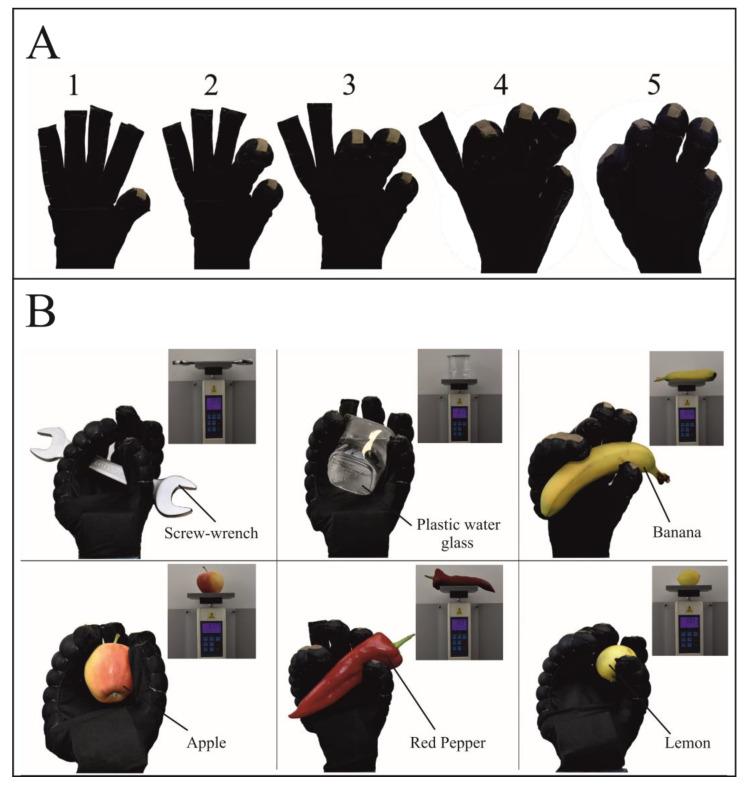
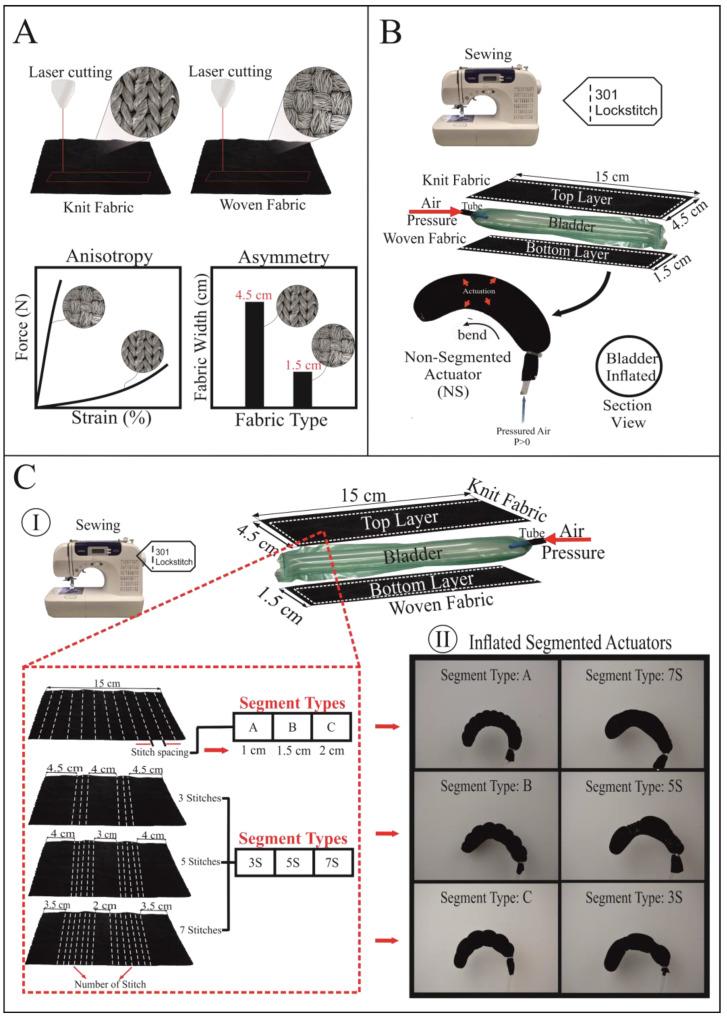
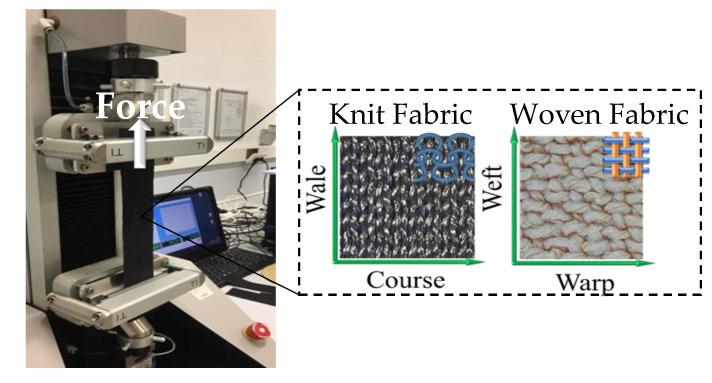
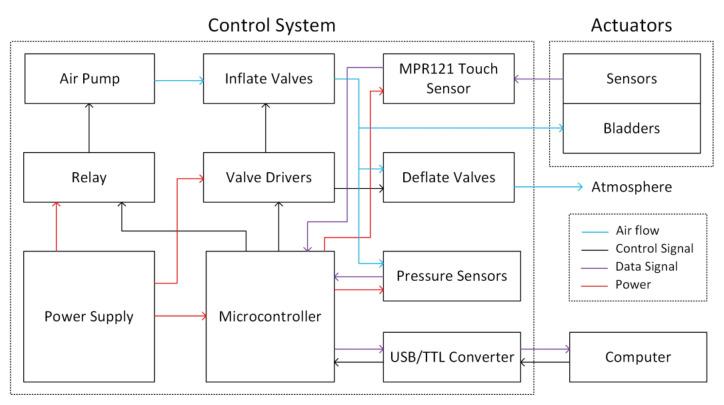
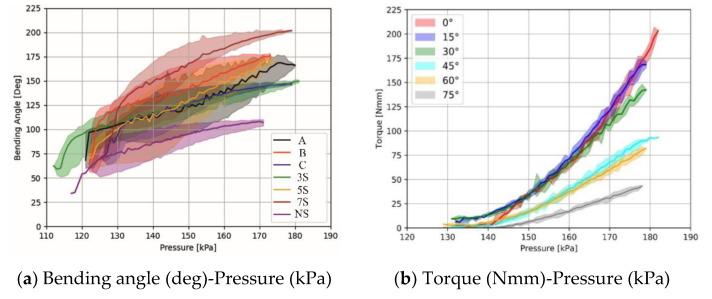
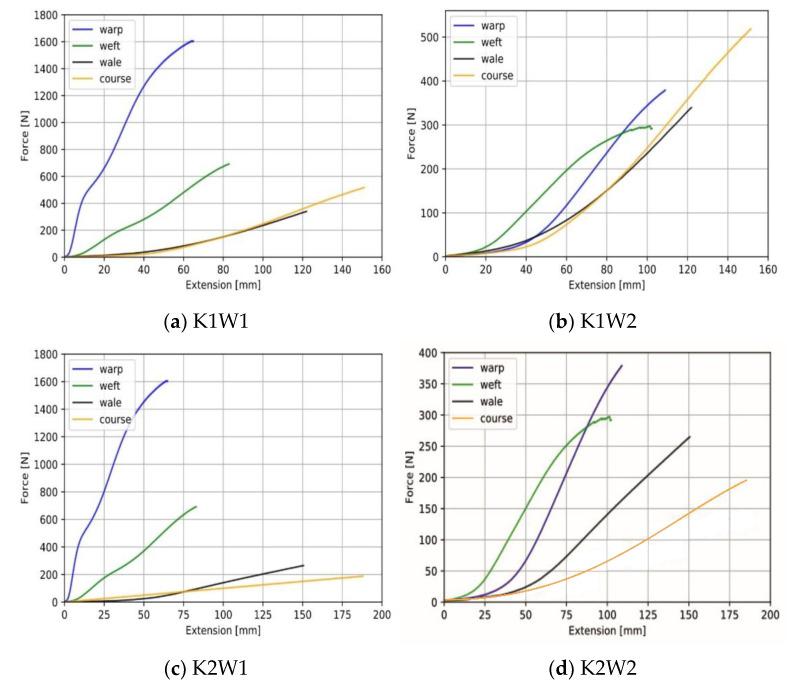
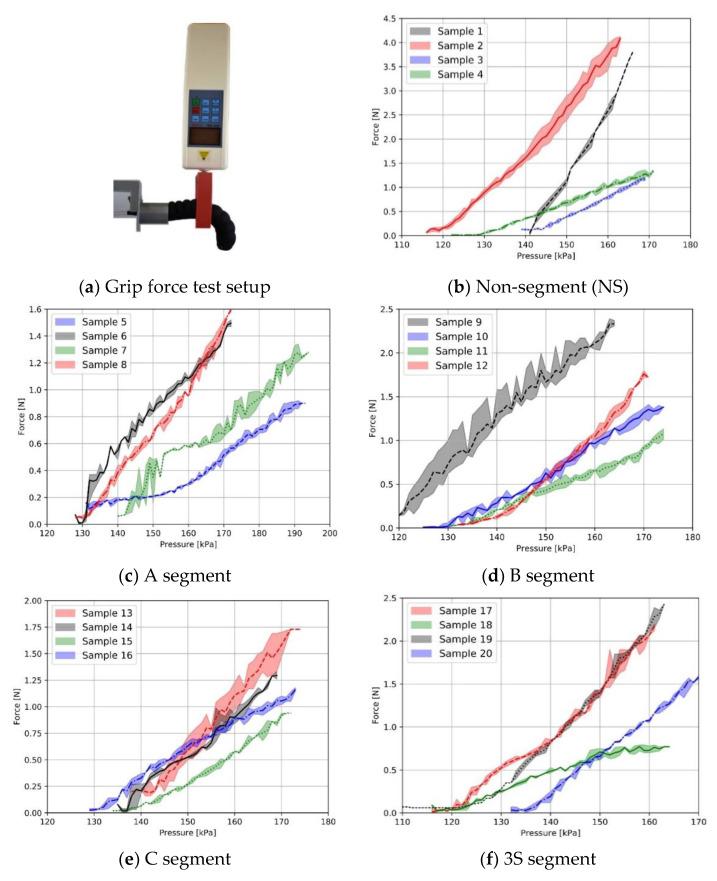
The use of textiles in soft robotics is gaining popularity because of the advantages textiles offer over other materials in terms of weight, conformability, and ease of manufacture. The purpose of this research is to examine the stitching process used to construct fabric-based pneumatic bending actuators as well as the effect of segment types on the actuators' properties when used in soft robotic glove applications. To impart bending motion to actuators, two techniques have been used: asymmetry between weave and weft knit fabric layers and mechanical anisotropy between these two textiles. The impacts of various segment types on the actuators' grip force and bending angle were investigated further. According to experiments, segmenting the actuator with a sewing technique increases the bending angle. It was discovered that actuators with high anisotropy differences in their fabric combinations have high gripping forces. Textile-based capacitive strain sensors are also added to selected segmented actuator types, which possess desirable properties such as increased grip force, increased bending angle, and reduced radial expansion. The sensors were used to demonstrate the controllability of a soft robotic glove using a closed-loop system. Finally, we demonstrated that actuators integrated into a soft wearable glove are capable of grasping a variety of items and performing various grasp types.
由于纺织品在重量、贴合性和制造便利性方面比其他材料具有优势,因此在软体机器人中使用纺织品越来越受欢迎。本研究的目的是研究用于构建基于织物的气动弯曲致动器的缝合工艺,以及在软体机器人手套应用中,段类型对致动器性能的影响。为了使致动器产生弯曲运动,使用了两种技术:经纬编织物层之间的不对称性以及这两种纺织品之间的机械各向异性。进一步研究了各种段类型对致动器抓握力和弯曲角度的影响。根据实验,用缝纫技术对致动器进行分段可增加弯曲角度。研究发现,织物组合中各向异性差异大的致动器具有高抓握力。还将基于纺织品的电容式应变传感器添加到选定的分段致动器类型中,这些致动器具有诸如增加抓握力、增加弯曲角度和减少径向膨胀等理想特性。这些传感器用于通过闭环系统演示软体机器人手套的可控性。最后,我们证明了集成到柔软可穿戴手套中的致动器能够抓取各种物品并执行各种抓握类型。

 Zotero 插件