
不可预测的慢性应激对稀有鮈鲫的影响:生长、行为和生理
The Effect of Unpredictable Chronic Stress on Rare Minnow (): Growth, Behaviour and Physiology.
作者信息
Xu Chunsen, Su Liangxia, Qiu Ning, Hou Miaomiao, Yu Fandong, Zou Xinhua, Wang Jianwei
机构信息
Institute of Hydrobiology, Chinese Academy of Sciences, Wuhan 430072, China.
University of Chinese Academy of Sciences, Beijing 100049, China.
出版信息
Biology (Basel). 2022 Dec 1;11(12):1755. doi: 10.3390/biology11121755.
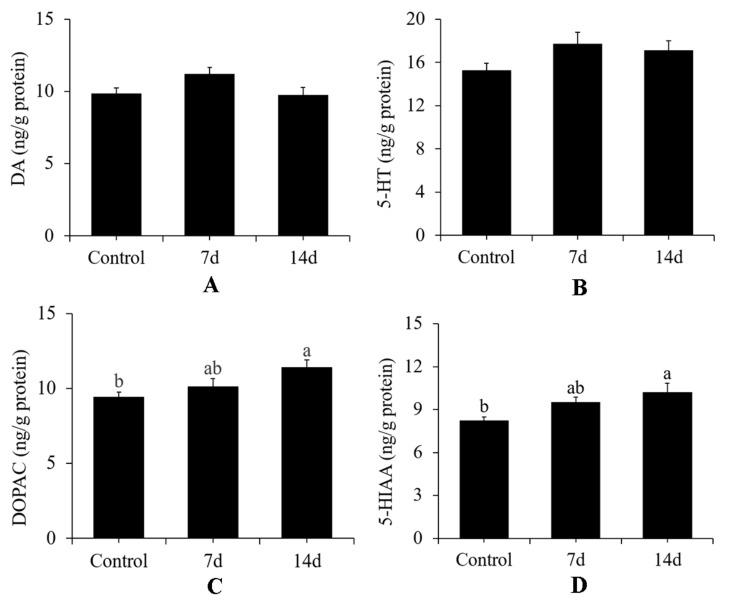
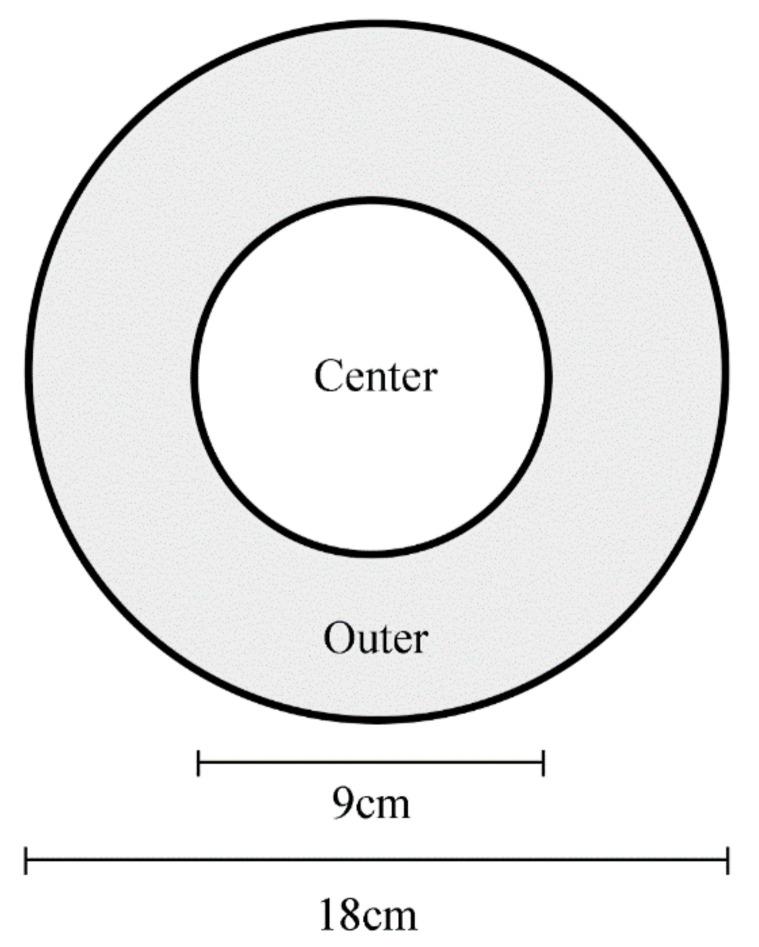
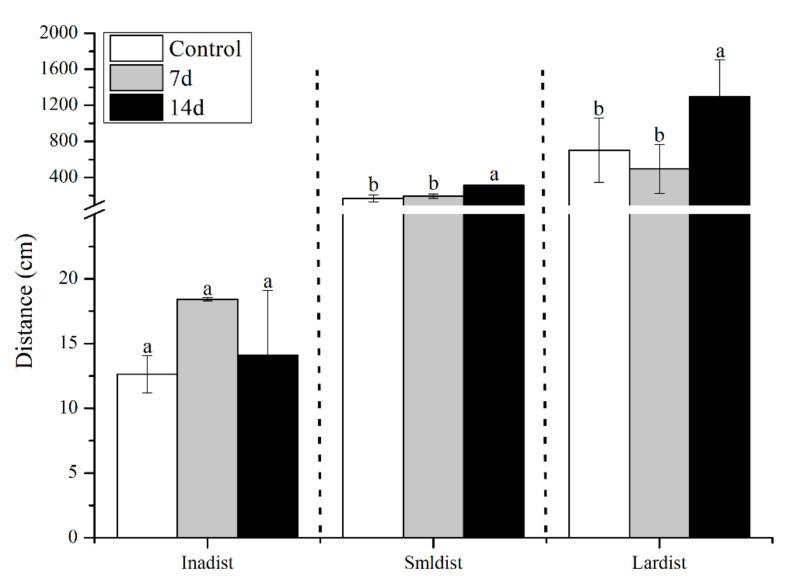
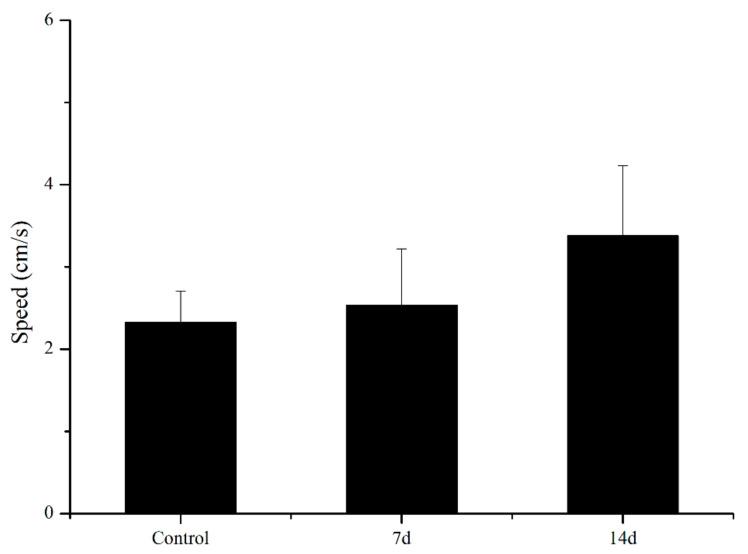
Fishes often adjust their behaviour patterns and physiological responses to cope with changing environments, and different life experiences affect them differently. Fishes might adapt to short-term stress, whereas long-term unpredictable stress may lead to various adverse effects. Although some studies have constructed unpredictable stress models of fish, the effect of unpredictable chronic stress (UCS) in the laboratory is poorly understood in fishes. In the current study, we exposed adult rare minnow to an unpredictable chronic stress protocol over 7 and 14 days and measured their response in terms of growth performance, cortisol, neurotransmitter levels (DA, 5-HT, and related metabolites), and behaviour patterns to comprehensively assess the effects of UCS on laboratory rare minnow. We discovered that specific growth rates were significantly decreased, and cortisol levels were lowered in both 7-days and 14-days stress groups. In the behaviour test, the activity level of the 14-days stress group increased, but there was no significant difference in the number of crossings to the center areas, time spent in the center areas, or the speed. In addition, the levels of DA and 5-HT did not change in the stress groups, but the DOPAC and 5-HIAA levels in the 14 days stress group were significantly higher than those in the control group. These results suggested that UCS influences rare minnow growth performance, behaviour patterns, and cortisol levels, and similar stress should be minimised in the laboratory.
鱼类常常会调整其行为模式和生理反应以应对不断变化的环境,不同的生活经历对它们的影响也各不相同。鱼类可能会适应短期应激,而长期不可预测的应激可能会导致各种不良影响。尽管一些研究已经构建了鱼类的不可预测应激模型,但实验室中不可预测慢性应激(UCS)对鱼类的影响却知之甚少。在本研究中,我们让成年稀有鮈鲫暴露于7天和14天的不可预测慢性应激方案下,并从生长性能、皮质醇、神经递质水平(多巴胺、5-羟色胺及相关代谢物)和行为模式等方面测量它们的反应,以全面评估UCS对实验室稀有鮈鲫的影响。我们发现,7天和14天应激组的特定生长率均显著下降,皮质醇水平降低。在行为测试中,14天应激组的活动水平有所增加,但在穿越中心区域的次数、在中心区域停留的时间或速度方面没有显著差异。此外,应激组中多巴胺和5-羟色胺的水平没有变化,但14天应激组中的3,4-二羟基苯乙酸和5-羟吲哚乙酸水平显著高于对照组。这些结果表明,UCS会影响稀有鮈鲫的生长性能、行为模式和皮质醇水平,在实验室中应尽量减少类似的应激。




 Zotero 插件