
肝移植治疗非酒精性脂肪性肝病:适应证和移植后管理。
Liver transplantation for non-alcoholic fatty liver disease: indications and post-transplant management.
机构信息
Gastroenterology and Multivisceral Transplant Unit, Department of Surgery, Oncology and Gastroenterology, Padua University Hospital, University of Padua, Padua, Italy.
出版信息
Clin Mol Hepatol. 2023 Feb;29(Suppl):S286-S301. doi: 10.3350/cmh.2022.0392. Epub 2022 Dec 28.
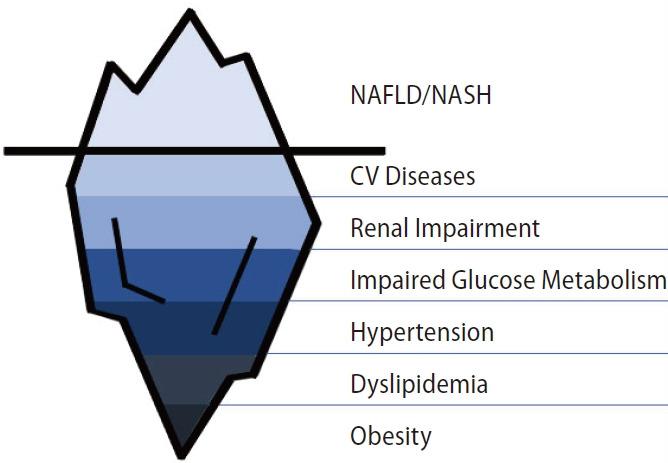
Non-alcoholic fatty liver disease (NAFLD) is currently the fastest growing indication to liver transplantation (LT) in Western Countries, both for end stage liver disease and hepatocellular carcinoma. NAFLD/non-alcoholic steatohepatitis (NASH) is often expression of a systemic metabolic syndrome; therefore, NAFLD/NASH patients require a multidisciplinary approach for a proper pre-surgical evaluation, which is important to achieve a post-transplant outcome comparable to that of other indications to LT. NAFLD/NASH patients are also at higher risk of post-transplant cardiovascular events, diabetes, dyslipidemia, obesity, renal impairment and recurrent NASH. Lifestyle modifications, included diet and physical activity, are key to improve survival and quality of life after transplantation. A tailored immunosuppressive regimen may be proposed in selected patients. Development of new drugs for the treatment of recurrent NASH is awaited.
非酒精性脂肪性肝病(NAFLD)目前是西方国家肝移植(LT)增长最快的适应证,无论是终末期肝病还是肝细胞癌。NAFLD/非酒精性脂肪性肝炎(NASH)通常是全身代谢综合征的表现;因此,NAFLD/NASH 患者需要多学科方法进行适当的术前评估,这对于实现与 LT 其他适应证相当的移植后结局非常重要。NAFLD/NASH 患者在移植后发生心血管事件、糖尿病、血脂异常、肥胖、肾功能损害和复发性 NASH 的风险也更高。生活方式的改变,包括饮食和体育活动,是改善移植后生存和生活质量的关键。在选定的患者中,可以提出量身定制的免疫抑制方案。期待新的药物来治疗复发性 NASH。

 Zotero 插件