
微创顺行模块化胰脾切除术:常规术式与改良术式对比
Minimally invasive radical antegrade modular pancreatosplenectomy: routine vs. modified.
作者信息
Kim Hee Joon
机构信息
Division of Hepato-Pancreato-Biliary Surgery, Department of Surgery, Chonnam National University Medical School, Gwangju, Korea.
出版信息
J Minim Invasive Surg. 2022 Dec 15;25(4):121-126. doi: 10.7602/jmis.2022.25.4.121.
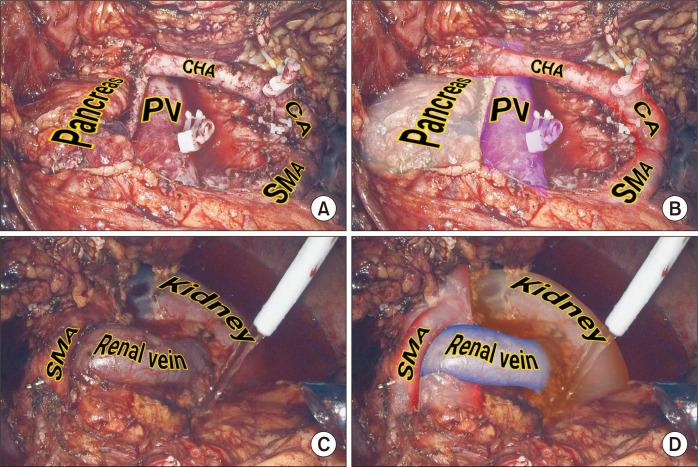
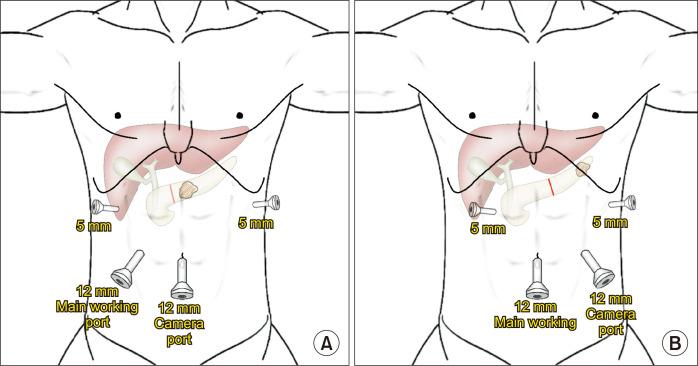
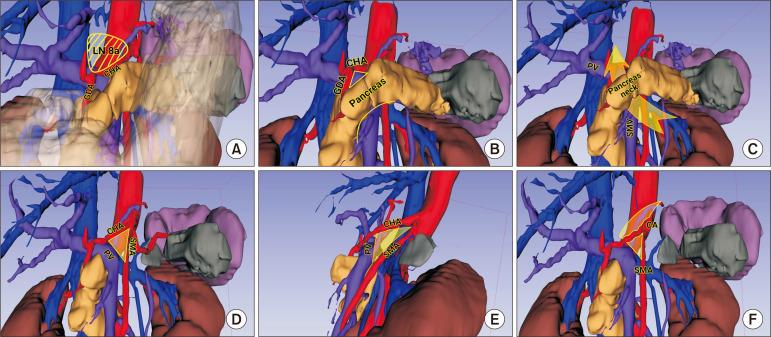
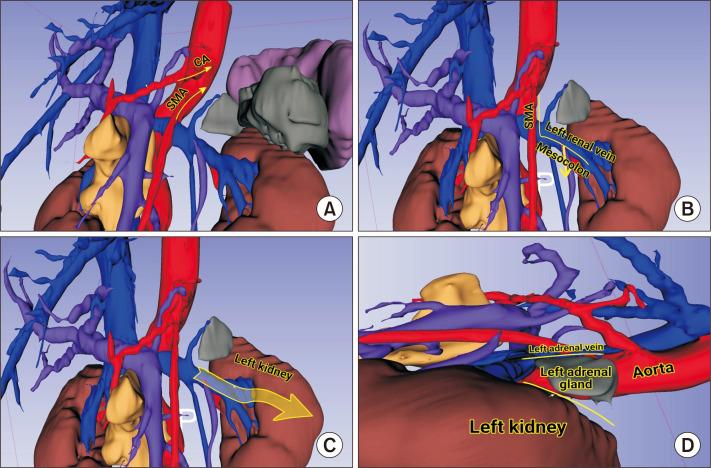
Radical antegrade modular pancreatosplenectomy (RAMPS) was introduced in 2003 by Strasberg to improve survival outcomes in left-sided pancreatic ductal adenocarcinoma. Many investigators have shown the feasibility and safety of minimally invasive RAMPS (MI-RAMPS). However, the survival benefit of RAMPS is inconclusive, and possible risks following the procedure, such as exocrine and endocrine insufficiencies, cannot be ignored. Therefore, several modifications of RAMPS were designed. Modified RAMPS is not a specific technique but rather a reduced form of RAMPS that is undertaken without compromising oncologic principles. In this literature review, the surgical technique and strategies of MI-RAMPS were examined.
根治性顺行模块化胰脾切除术(RAMPS)由斯特拉斯伯格于2003年提出,旨在改善左侧胰腺导管腺癌的生存结局。许多研究者已证实了微创RAMPS(MI-RAMPS)的可行性和安全性。然而,RAMPS的生存获益尚无定论,且该手术后可能出现的风险,如外分泌和内分泌功能不全,不容忽视。因此,人们设计了几种RAMPS的改良术式。改良RAMPS并非一种特定技术,而是在不违背肿瘤学原则的前提下简化的RAMPS术式。在这篇文献综述中,我们探讨了MI-RAMPS的手术技术和策略。

 Zotero 插件