
RNF169的高表达通过调节肿瘤免疫浸润与胰腺腺癌的不良预后相关。
High expression of RNF169 is associated with poor prognosis in pancreatic adenocarcinoma by regulating tumour immune infiltration.
作者信息
Wang Jieyan, Chen Hanghang, Deng Qiong, Chen Yeda, Wang Zhu, Yan Zhengzheng, Wang Yinglin, Tang Haoxuan, Liang Hui, Jiang Yong
机构信息
Department of Urology, The People's Hospital of Longhua, The Affiliated Hospital of Southern Medical University, Shenzhen, Guangdong, China.
Guangdong Provincial Key Laboratory of Proteomics, State Key Laboratory of Organ Failure Research, Department of pathophysiology, School of Basic Medical Sciences, Southern Medical University, Guangzhou, China.
出版信息
Front Genet. 2023 Jan 5;13:1022626. doi: 10.3389/fgene.2022.1022626. eCollection 2022.
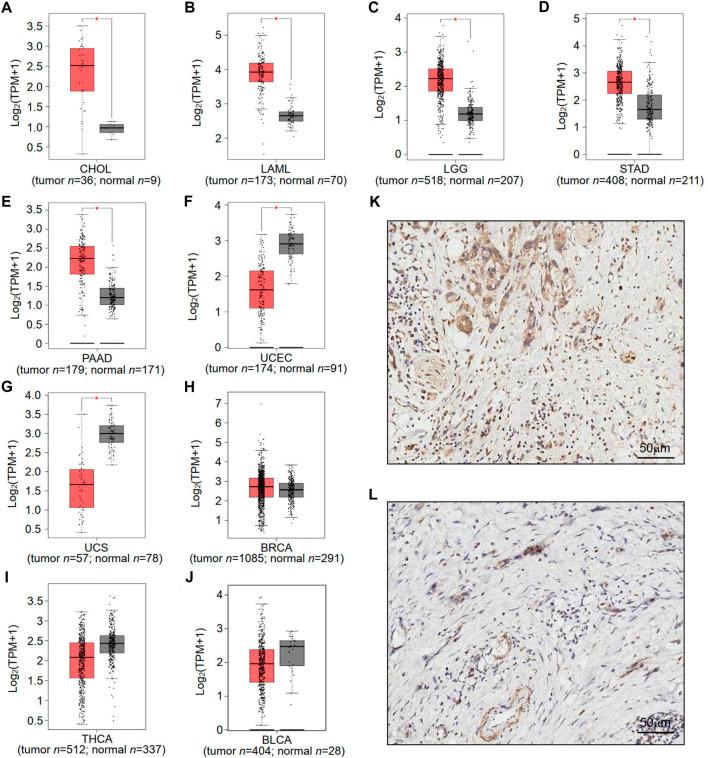
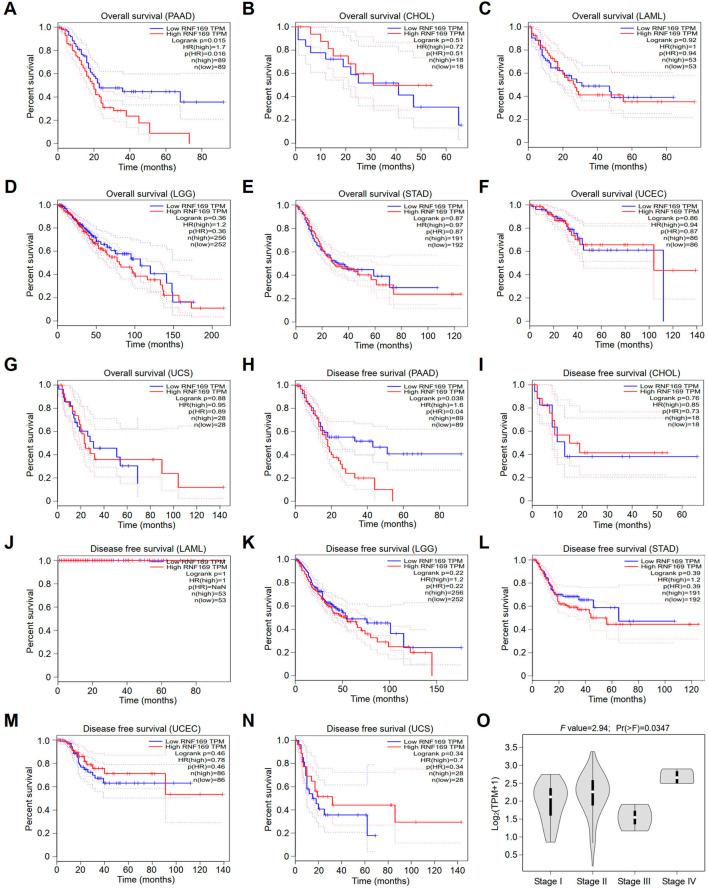
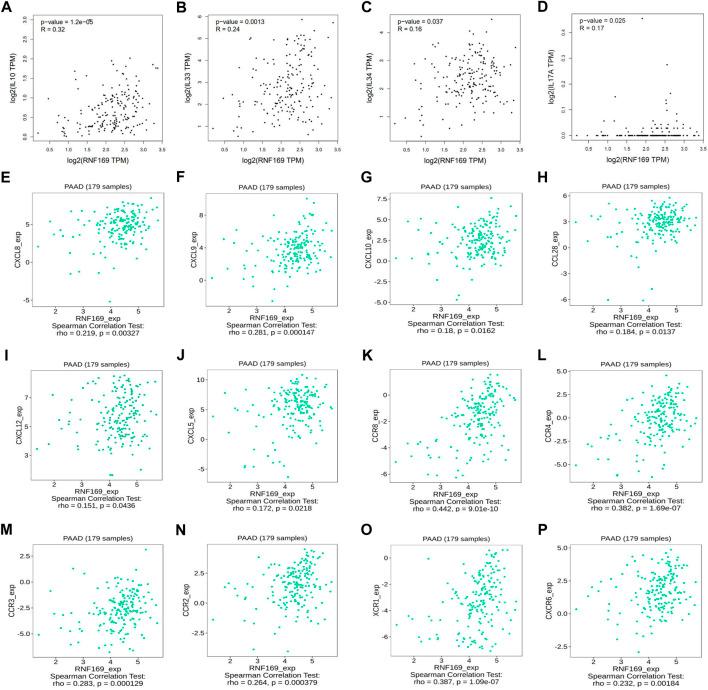
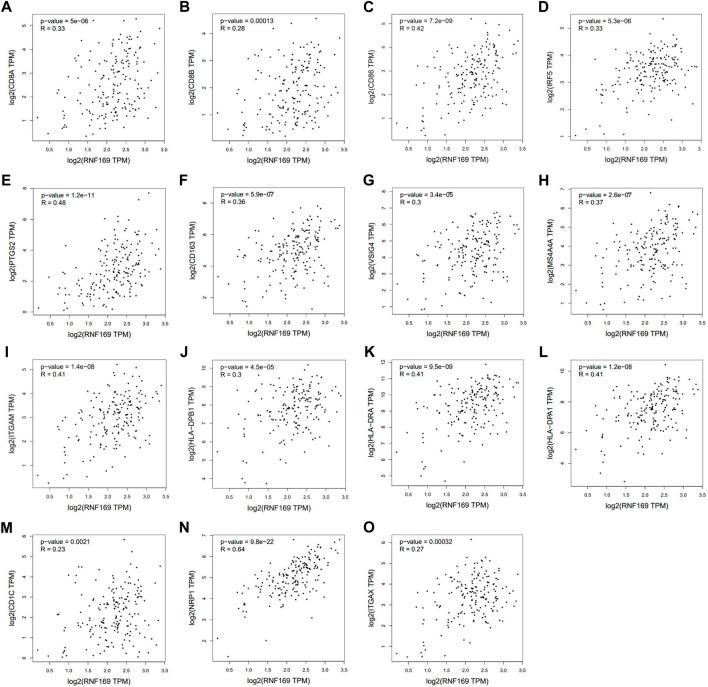
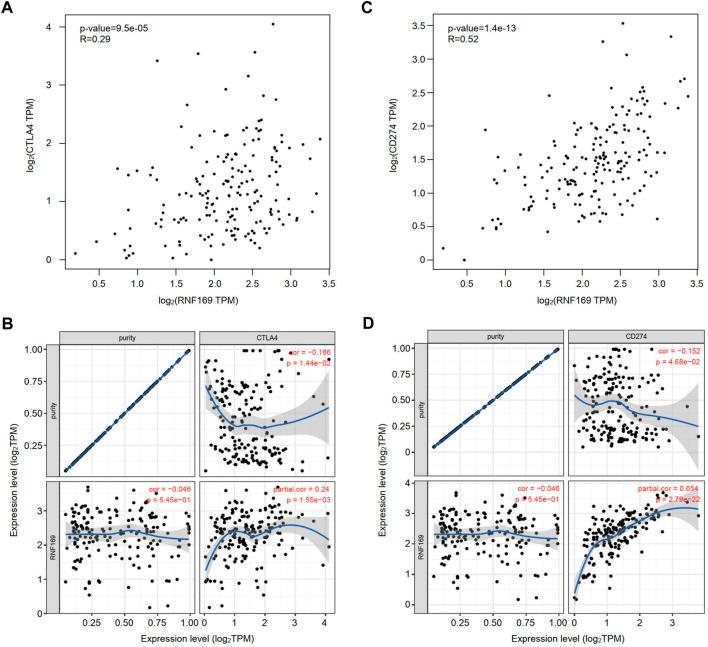
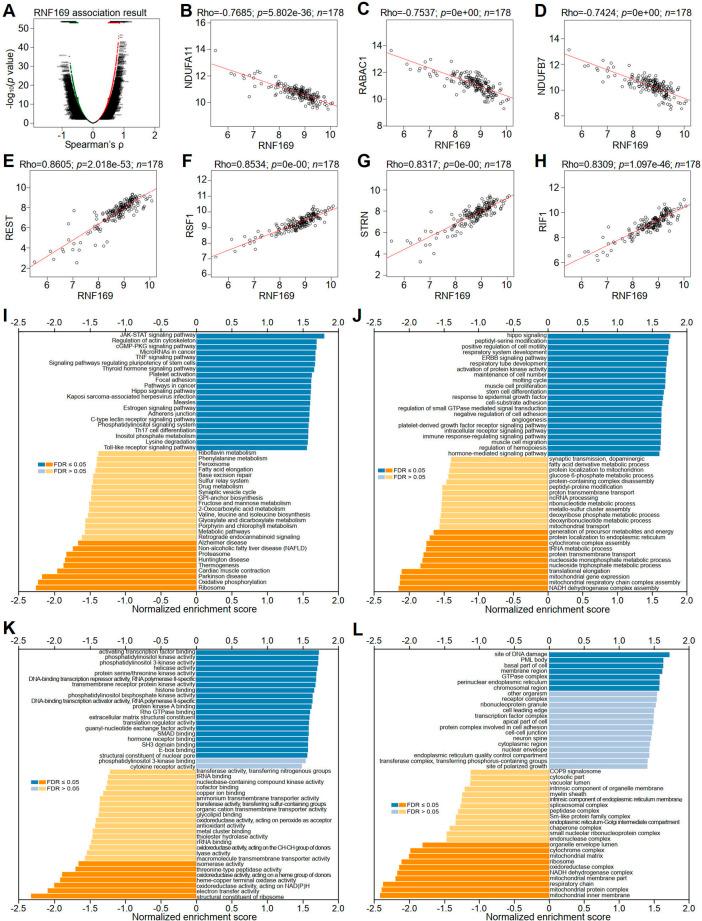
Pancreatic adenocarcinoma (PAAD) is a highly deadly and aggressive tumour with a poor prognosis. However, the prognostic value of RNF169 and its related mechanisms in PAAD have not been elucidated. In this study, we aimed to explore prognosis-related genes, especially RNF169 in PAAD and to identify novel potential prognostic predictors of PAAD. The GEPIA and UALCAN databases were used to investigate the expression and prognostic value of RNF169 in PAAD. The correlation between RNF169 expression and immune infiltration was determined by using TIMER and TISIDB. Correlation analysis with starBase was performed to identify a potential regulatory axis of lncRNA-miRNA-RNF169. The data showed that the level of RNF169 mRNA expression in PAAD tissues was higher than that in normal tissues. High RNF169 expression was correlated with poor prognosis in PAAD. In addition, analysis with the TISIDB and TIMER databases revealed that RNF169 expression was positively correlated with tumour immune infiltration in PAAD. Correlation analysis suggested that the long non-coding RNA (lncRNA) AL049555.1 and the microRNA (miRNA) hsa-miR-324-5p were involved in the expression of RNF169, composing a potential regulatory axis to control the progression of PAAD. Gene Ontology (GO) and Kyoto Encyclopedia of Genes and Genomes (KEGG) enrichment analyses indicated that RNF169 plays a role in PAAD through pathways such as TNF, Hippo, JAK-STAT and Toll-like receptor signaling. In summary, the upregulation of RNF169 expression mediated by ncRNAs might influence immune cell infiltration in the microenvironment; thus, it can be used as a prognostic biomarker and a potential therapeutic target in PAAD.
胰腺腺癌(PAAD)是一种高度致命且侵袭性强、预后较差的肿瘤。然而,RNF169在PAAD中的预后价值及其相关机制尚未阐明。在本研究中,我们旨在探索与PAAD预后相关的基因,尤其是RNF169,并确定PAAD新的潜在预后预测指标。利用GEPIA和UALCAN数据库研究RNF169在PAAD中的表达及预后价值。使用TIMER和TISIDB确定RNF169表达与免疫浸润之间的相关性。通过starBase进行相关性分析以确定lncRNA-miRNA-RNF169潜在的调控轴。数据显示,PAAD组织中RNF169 mRNA表达水平高于正常组织。RNF169高表达与PAAD预后不良相关。此外,通过TISIDB和TIMER数据库分析发现,RNF169表达与PAAD中的肿瘤免疫浸润呈正相关。相关性分析表明,长链非编码RNA(lncRNA)AL049555.1和微小RNA(miRNA)hsa-miR-324-5p参与RNF169的表达,构成一个潜在的调控轴来控制PAAD的进展。基因本体(GO)和京都基因与基因组百科全书(KEGG)富集分析表明,RNF169通过肿瘤坏死因子(TNF)、河马(Hippo)、JAK-STAT和Toll样受体信号通路等途径在PAAD中发挥作用。总之,由非编码RNA介导的RNF169表达上调可能影响微环境中的免疫细胞浸润;因此,它可作为PAAD的预后生物标志物和潜在治疗靶点。



 Zotero 插件