
自身免疫性葡萄膜炎转基因小鼠模型中的结肠炎可能是由肠道中新抗原的呈递引起的。
Colitis in a transgenic mouse model of autoimmune uveitis may be induced by neoantigen presentation in the bowel.
机构信息
Institute of Medical Sciences, University of Aberdeen, Foresterhill, Aberdeen, AB25 2ZD, UK.
Department of General Surgery, Division of Visceral Surgery, Medical University of Vienna, Vienna General Hospital, Währinger Gürtel 18-20, 1090, Vienna, Austria.
出版信息
Sci Rep. 2023 Jan 23;13(1):1256. doi: 10.1038/s41598-022-27018-9.
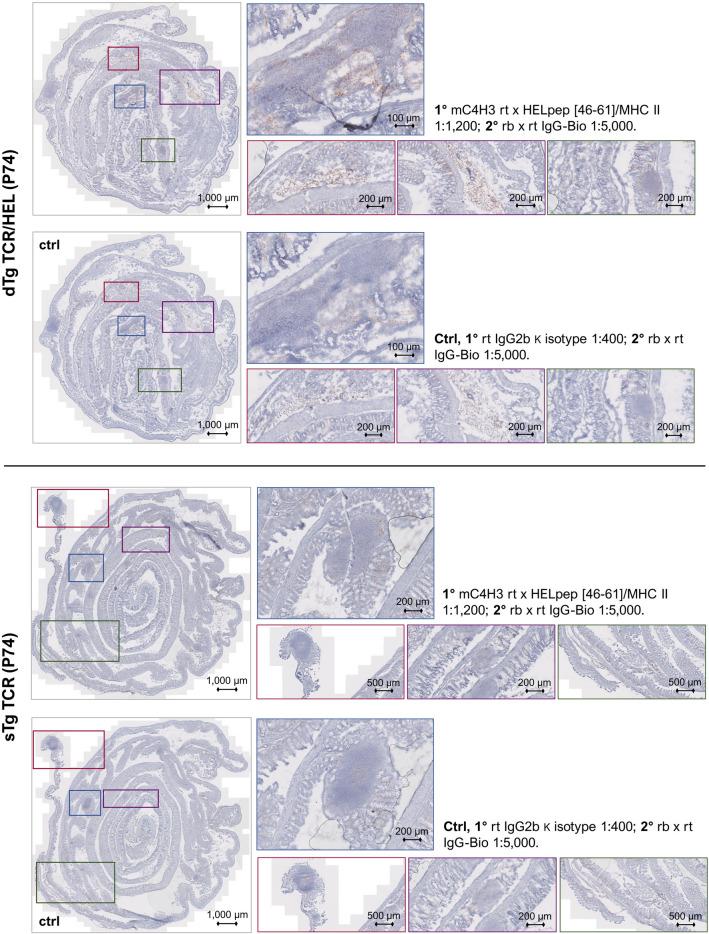
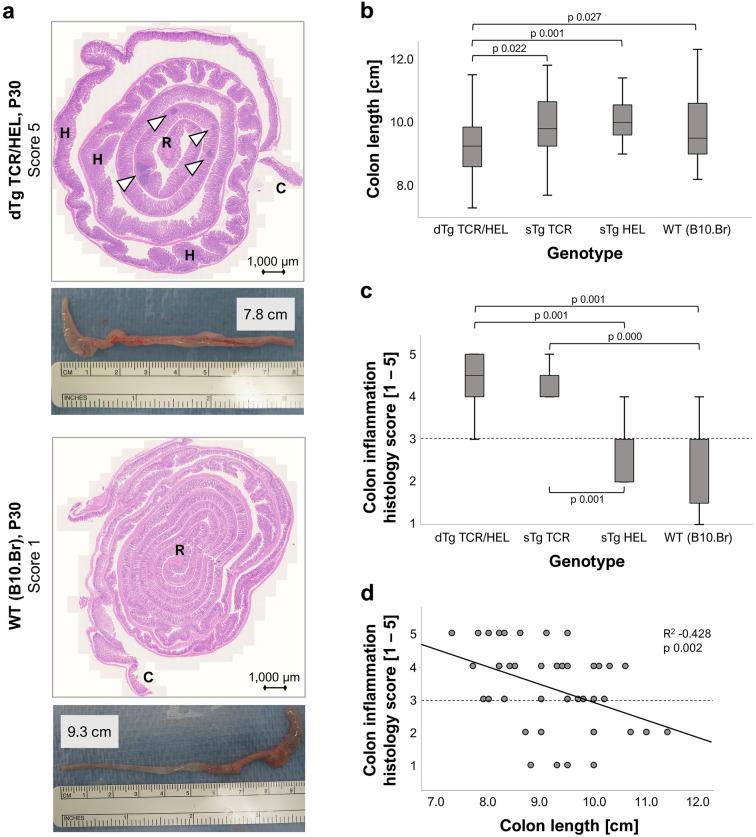
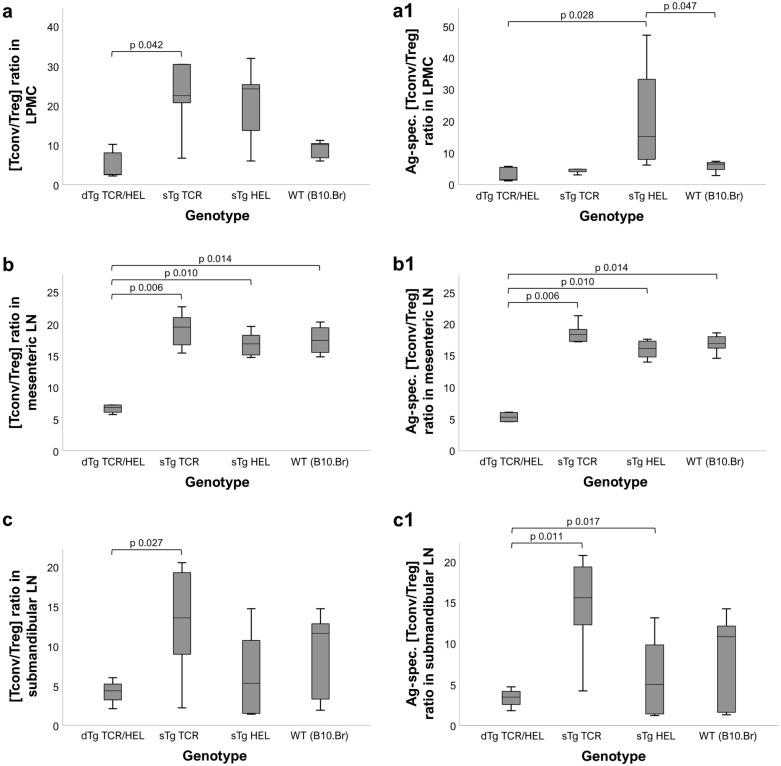
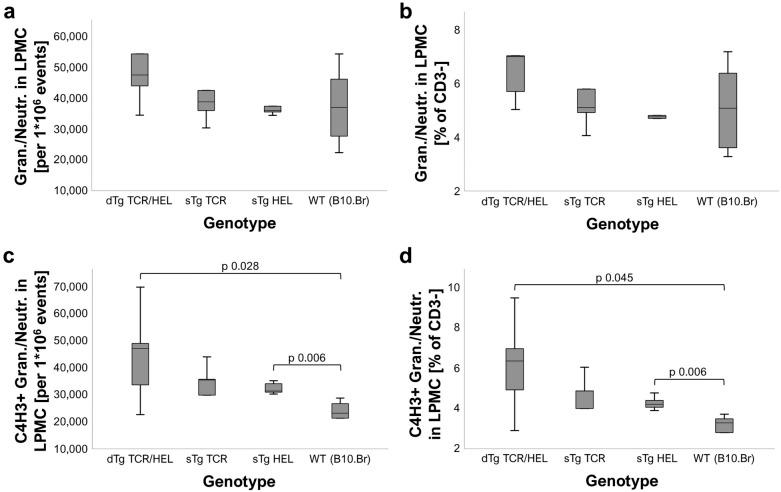
Undifferentiated uveitis (intraocular inflammation, IOI) is an idiopathic sight-threatening, presumed autoimmune disease, accountable for ~ 10% of all blindness in the developed world. We have investigated the association of uveitis with inflammatory bowel disease (IBD) using a mouse model of spontaneous experimental autoimmune uveoretinitis (EAU). Mice expressing the transgene (Tg) hen egg lysozyme (HEL) in the retina crossed with 3A9 mice expressing a transgenic HEL-specific TCR spontaneously develop uveoretinitis at post-partum day (P)20/21. Double transgenic (dTg TCR/HEL) mice also spontaneously develop clinical signs of colitis at ~ P30 with diarrhoea, bowel shortening, oedema and lamina propria (LP) inflammatory cell infiltration. Single (s)Tg TCR (3A9) mice also show increased histological LP cell infiltration but no bowel shortening and diarrhoea. dTg TCR/HEL mice are profoundly lymphopenic at weaning. In addition, dTg TCR/HEL mice contain myeloid cells which express MHC Class II-HEL peptide complexes (MHCII-HEL), not only in the inflamed retina but also in the colon and have the potential for antigen presentation. In this model the lymphopenia and reduction in the absolute Treg numbers in dTg TCR/HEL mice is sufficient to initiate eye disease. We suggest that cell-associated antigen released from the inflamed eye can activate colonic HEL-specific T cells which, in a microbial micro-environment, not only cause colitis but feedback to amplify IOI.
未分化性葡萄膜炎(眼内炎症,IOI)是一种特发性、致盲性、疑似自身免疫性疾病,占发达国家所有失明病例的约 10%。我们使用自发性实验性自身免疫性葡萄膜炎(EAU)的小鼠模型研究了葡萄膜炎与炎症性肠病(IBD)之间的关联。在视网膜中表达转基因(Tg)鸡卵溶菌酶(HEL)的小鼠与表达转基因 HEL 特异性 TCR 的 3A9 小鼠杂交,会在产后第 20/21 天自发出现葡萄膜炎。双重转基因(dTg TCR/HEL)小鼠也会在大约第 30 天自发出现结肠炎的临床症状,表现为腹泻、肠缩短、水肿和固有层(LP)炎症细胞浸润。单一转基因(s)TCR(3A9)小鼠也会出现 LP 组织学细胞浸润增加,但没有肠缩短和腹泻。dTg TCR/HEL 小鼠在断奶时严重淋巴细胞减少。此外,dTg TCR/HEL 小鼠的髓系细胞表达 MHC II-HEL 肽复合物(MHCII-HEL),不仅在炎症的视网膜中,而且在结肠中也有表达,具有抗原呈递的潜力。在该模型中,dTg TCR/HEL 小鼠的淋巴细胞减少和绝对调节性 T 细胞数量减少足以引发眼部疾病。我们认为,从发炎的眼睛释放的细胞相关抗原可以激活结肠中针对 HEL 的特异性 T 细胞,在微生物微环境中,这些细胞不仅会引起结肠炎,还会反馈放大 IOI。


 Zotero 插件