
烟草公司是否有激励推广“减害”产品?竞争的作用。
Do Tobacco Companies Have an Incentive to Promote "Harm Reduction" Products?: The Role of Competition.
机构信息
Oncology Department, Lombardi Comprehensive Center, Georgetown University, Washington, DC, USA.
Sociology Department, University of York, Heslington, York, UK.
出版信息
Nicotine Tob Res. 2023 Nov 22;25(12):1810-1821. doi: 10.1093/ntr/ntad014.
INTRODUCTION
Some cigarette companies have started to talk about replacing cigarettes with less harmful alternatives, which might include nicotine vaping products (NVPs), heated tobacco products (HTPs), and oral nicotine delivery products. We consider market competition as a primary driver of whether cigarette companies follow through on their stated intentions.
AIMS AND METHODS
We focus on the behavior of cigarette companies in the United States. We compare competition in the pre- and post-2012 time periods, analyze the impact of the growth in NVPs on smoking prevalence and cigarette company profits, and examine the potential future role of competition.
RESULTS
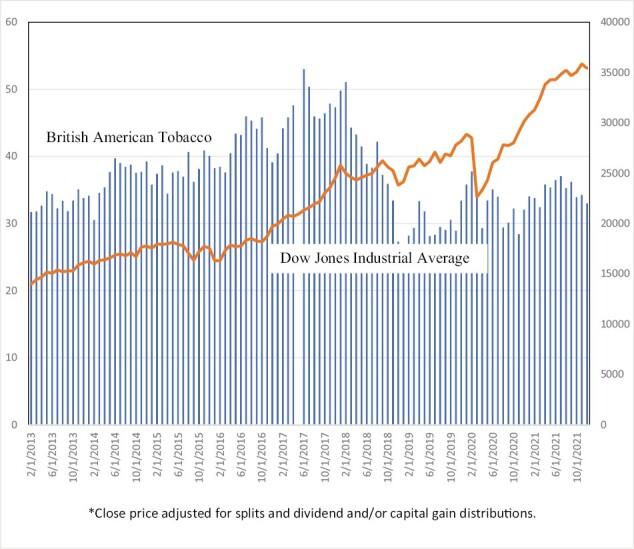
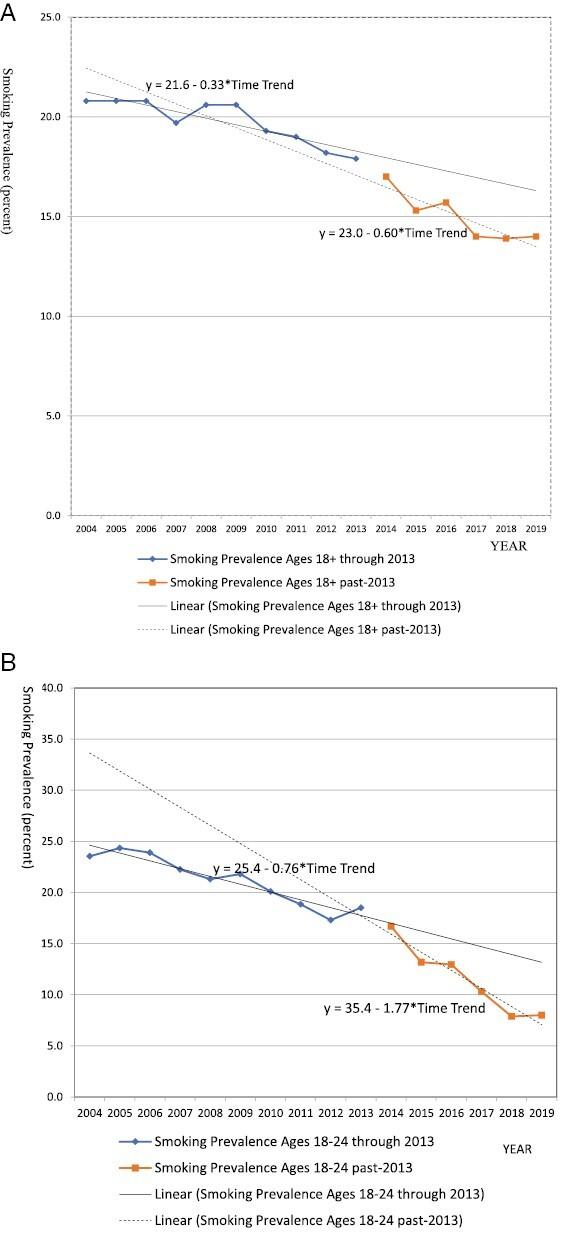
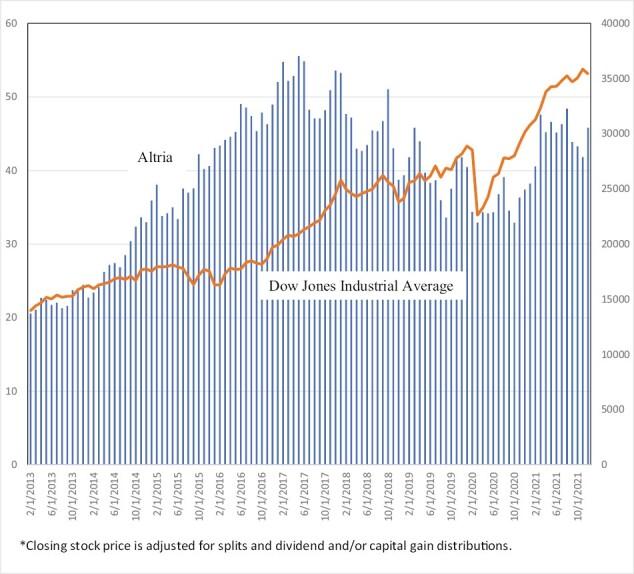
Since 2006, consumers have broadened their use of non-combustible nicotine delivery products (NCNDPs) to include, inter alia, NVPs, HTPs, and oral nicotine pouches. U.S. cigarette companies have acquired major stakes in each of these product categories which corresponds to a period of rapidly declining adult smoking prevalence, especially among younger adults (ages 18-24 years). The shifting dynamics of the nicotine product marketplace are also reflected in cigarette company stock prices. While cigarette companies are likely to promote HTPs and nicotine delivery products over NVPs, their incentives will be directly related to competition from independent firms, which in turn will depend on government regulation.
CONCLUSIONS
Although cigarette companies will back alternatives to combusted tobacco when threatened by competition, the prospects for their lasting conversion to NCNDPs will depend on the extent of such competition, which will be influenced by government regulation of tobacco products.
IMPLICATIONS
Regulations that limit competition from independent firms while also protecting cigarette company profits risk slowing or even reversing recent declines in smoking, especially among youth and young adults. Regulations that reduce the appeal and addictiveness of combusted tobacco products, such as higher cigarette taxes or a reduced nicotine standard, will encourage smokers to quit and/or switch to less harmful non-combusted forms of tobacco. The regulation of non-combustible nicotine delivery products and cigarettes should be proportionate to their relative risks, so that smokers have incentives to switch from combustibles to safer alternatives, and cigarette companies have incentives to promote safer products.
引言
一些烟草公司开始谈论用危害较小的替代品替代香烟,其中可能包括尼古丁雾化产品(NVP)、加热烟草产品(HTP)和口服尼古丁输送产品。我们认为市场竞争是烟草公司是否会落实其声明意图的主要驱动因素。
目的和方法
我们专注于美国烟草公司的行为。我们比较了 2012 年前后的竞争情况,分析了 NVP 增长对吸烟率和烟草公司利润的影响,并研究了竞争的潜在未来作用。
结果
自 2006 年以来,消费者扩大了对非燃烧尼古丁输送产品(NCNDP)的使用,包括尼古丁雾化产品、加热烟草产品和口服尼古丁袋等。美国烟草公司在这些产品类别中都持有主要股份,这与成人吸烟率,尤其是年轻人(18-24 岁)吸烟率迅速下降的时期相对应。尼古丁产品市场动态的变化也反映在烟草公司的股票价格上。虽然烟草公司可能会推广 HTP 和尼古丁输送产品而不是 NVP,但它们的激励措施将直接与其面临的来自独立公司的竞争相关,而这又将取决于政府对烟草产品的监管。
结论
尽管烟草公司在受到竞争威胁时会支持替代燃烧烟草的产品,但它们持久地转向 NCNDP 的前景将取决于竞争的程度,而这又将受到烟草产品监管的影响。
意义
限制独立公司竞争而又保护烟草公司利润的法规可能会减缓甚至逆转最近吸烟率的下降,尤其是在年轻人和年轻人中。降低可燃烟草产品吸引力和成瘾性的法规,如提高香烟税或降低尼古丁标准,将鼓励吸烟者戒烟和/或转而使用危害较小的非燃烧烟草形式。对非燃烧尼古丁输送产品和香烟的监管应与其相对风险相称,以便吸烟者有动力从可燃产品转向更安全的替代品,而烟草公司也有动力推广更安全的产品。
 Zotero 插件