
严重急性呼吸综合征冠状病毒2(SARS-CoV-2)及其对心血管和消化系统的影响——新型病毒变体与人类细胞之间的相互作用。
SARS-CoV-2 and its impact on the cardiovascular and digestive systems - The interplay between new virus variants and human cells.
作者信息
Szpulak Angelika, Garlak Urszula, Ćwirko Hanna, Witkowska Bogusława, Rombel-Bryzek Agnieszka, Witkowska Danuta
机构信息
Faculty of Medicine, Wroclaw Medical University, Wybrzeże L. Pasteura 1, 50-367 Wrocław, Poland.
Institute of Health Sciences, University of Opole, Katowicka 68, 45-060 Opole, Poland.
出版信息
Comput Struct Biotechnol J. 2023;21:1022-1029. doi: 10.1016/j.csbj.2023.01.024. Epub 2023 Jan 19.
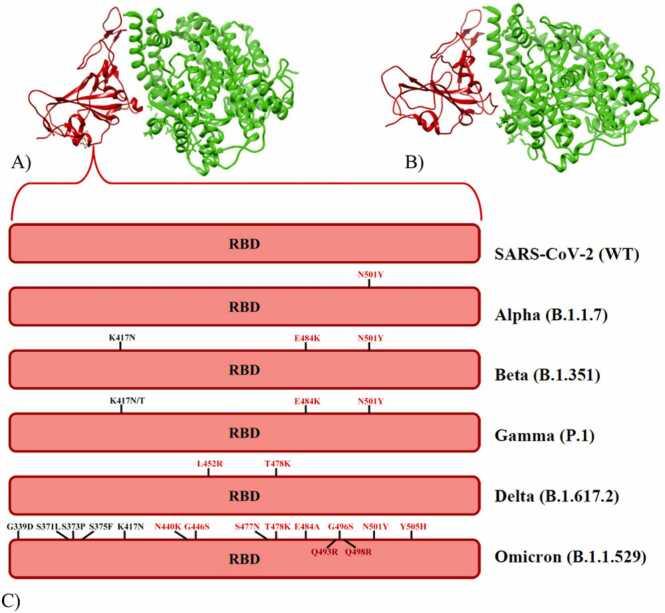
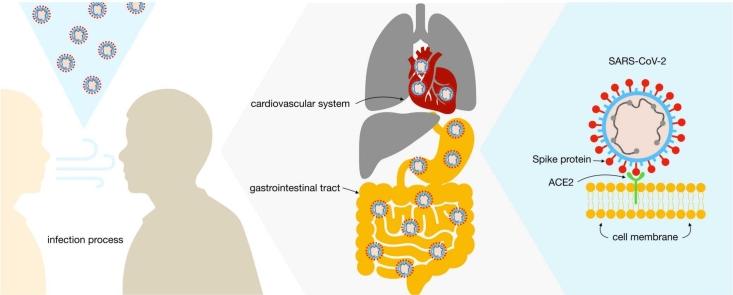
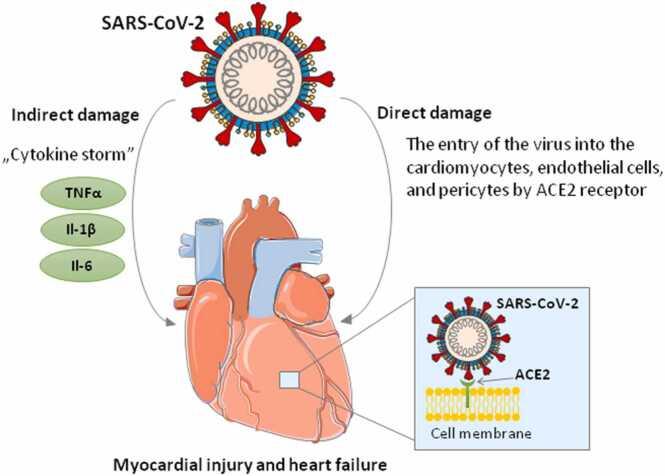
Since infection with the novel coronavirus SARS-CoV-2 first emerged in Wuhan, China, in December 2019, the world has been battling the pandemic COVID-19. Patients of all ages and genders are now becoming infected with the new coronavirus variant (Omicron) worldwide, and its subvariants continue to pose a threat to health and life. This article provides a literature review of cardiovascular and gastrointestinal complications resulting from SARS-CoV-2 infection. COVID-19 primarily caused respiratory symptoms, but complications can affect many vital organs. SARS-CoV-2 binds to a human cell receptor (angiotensin-converting enzyme 2 - ACE2) that is predominantly expressed primarily in the heart and gastrointestinal tract, which is why we focused on complications in these organs. Since the high transmissibility of Omicron and its ability to evade the immune system have raised worldwide concern, we have tried to summarise the current knowledge about its development from a structural point of view and to highlight the differences in its binding to human receptors and proteases compared to previous VOC.
自2019年12月新型冠状病毒SARS-CoV-2在中国武汉首次出现感染病例以来,全球一直在与新冠肺炎疫情作斗争。目前,世界各地所有年龄和性别的患者都在感染新冠病毒变种(奥密克戎),其亚变种继续对健康和生命构成威胁。本文对SARS-CoV-2感染导致的心血管和胃肠道并发症进行文献综述。新冠肺炎主要引起呼吸道症状,但并发症可影响许多重要器官。SARS-CoV-2与一种人类细胞受体(血管紧张素转换酶2 - ACE2)结合,该受体主要在心脏和胃肠道中表达,这就是我们关注这些器官并发症的原因。由于奥密克戎的高传播性及其逃避免疫系统的能力引起了全球关注,我们试图从结构角度总结目前关于其演变的知识,并强调其与人类受体和蛋白酶结合方面与先前变异株相比的差异。
 Zotero 插件