
电生理学上不同的终纹床核投射到小鼠腹侧被盖区。
Electrophysiologically distinct bed nucleus of the stria terminalis projections to the ventral tegmental area in mice.
机构信息
Department of Biological Sciences, Hunter College of the City University of New York, New York, NY, United States.
Program in Biology, Graduate Center of the City University of New York, New York, NY, United States.
出版信息
Front Neural Circuits. 2023 Jan 9;16:1081099. doi: 10.3389/fncir.2022.1081099. eCollection 2022.
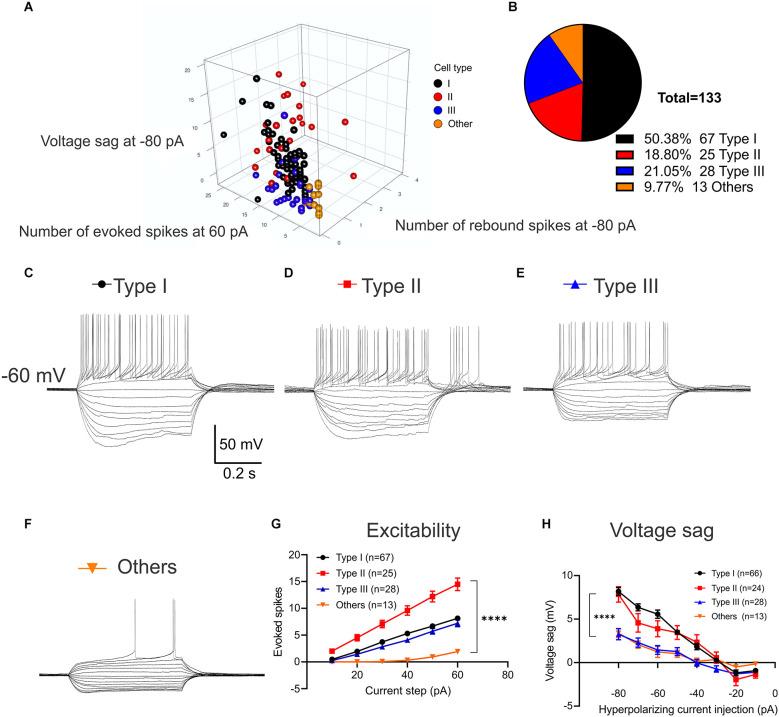
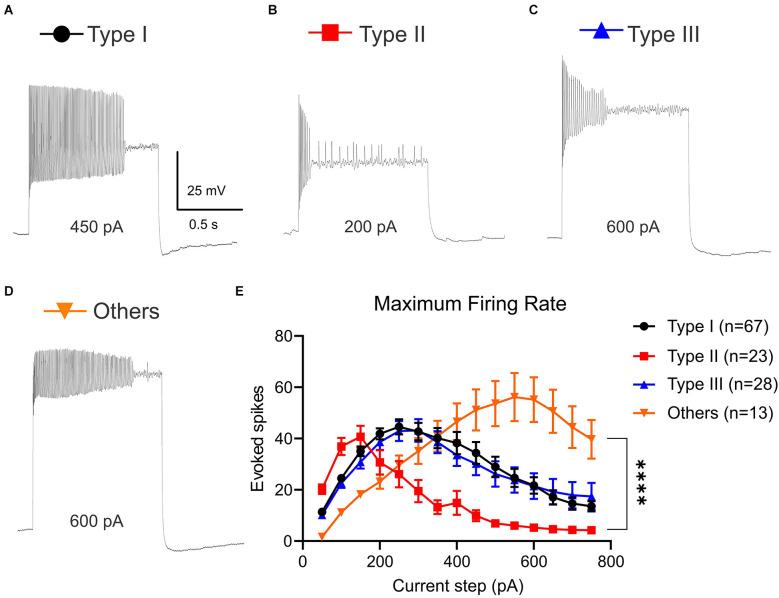
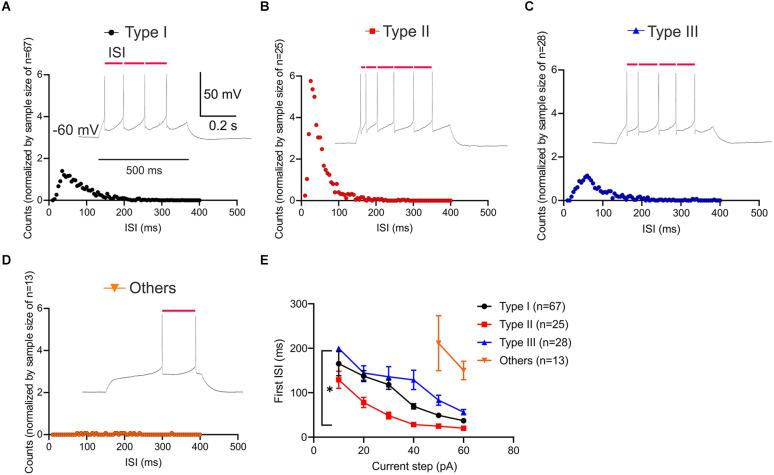
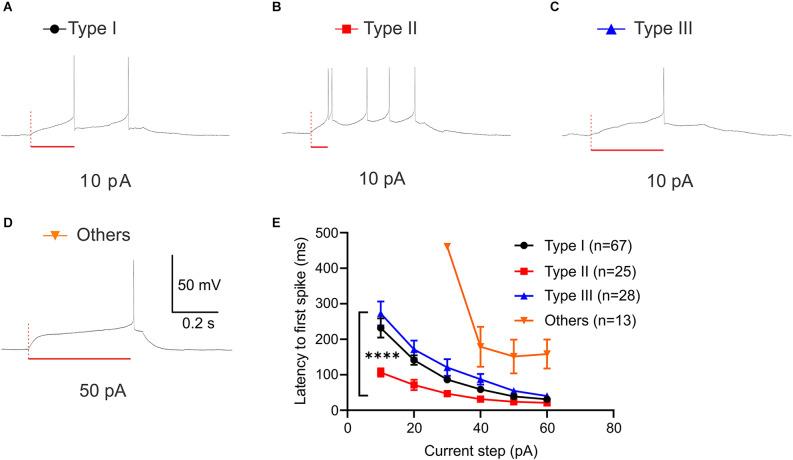
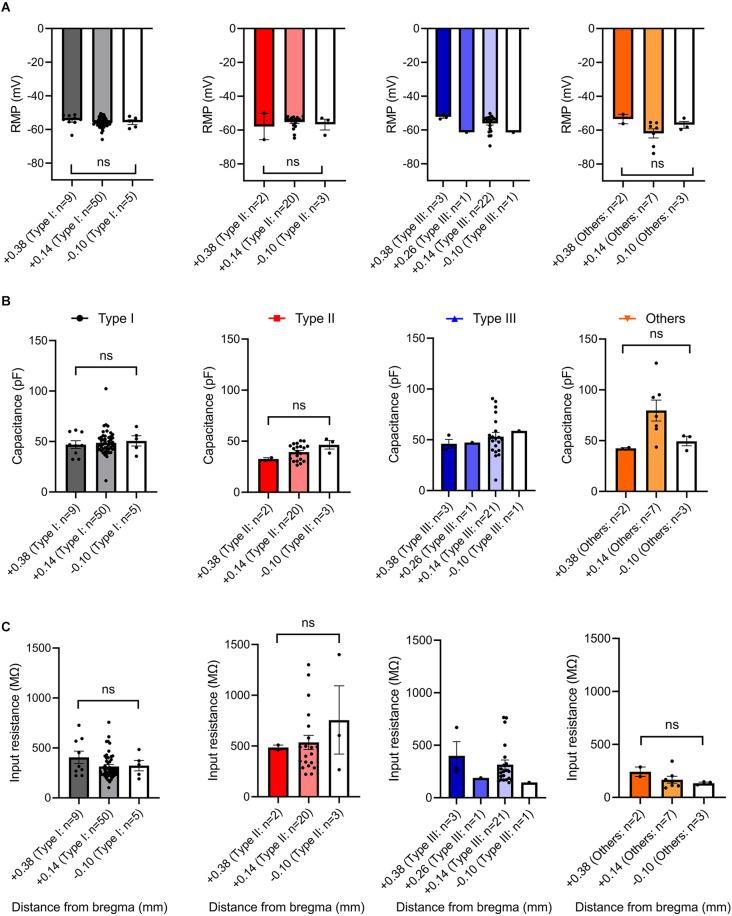
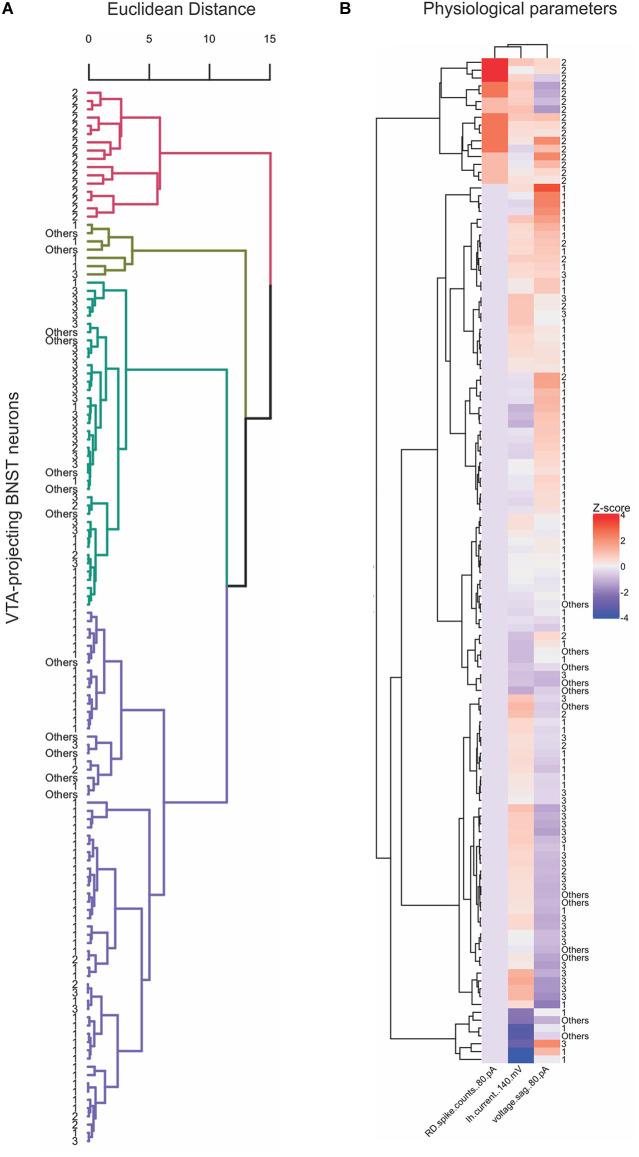
The bed nucleus of the stria terminalis (BNST) is a highly heterogeneous limbic forebrain structure that serves as a relay connecting autonomic, neuroendocrine and behavioral function. It can be divided into over 16 individual subregions with distinct neuronal subpopulations based on receptors, transmitters, and neuropeptides. Specifically, the BNST projection to the ventral tegmental area (VTA), the dopamine hub of the brain, has been shown to have a crucial role in the stress response. However, in mice there is a lack of unbiased data on the functional diversity of this sub-population which serves as an upstream input to the VTA. The dopaminergic neurons in the VTA modify their ion channel activity and intrinsic membrane properties to adapt to stress in part from inputs from BNST projections. Therefore, we aimed to perform a multi-component characterization of the functional diversity of the BNST-VTA pathway. We studied the passive and active electrophysiological properties of virally identified population of BNST neurons that project to the VTA. We used a comprehensive series of recordings of electrophysiological variables and performed hierarchical clustering to determine the functional diversity of the projection neurons in the BNST-VTA pathway. Our study revealed four subpopulations in the BNST-VTA pathway, all of which differ in their activation profiles and likely have distinct inputs and function in the VTA. Our results will help resolve the discord in interpretation of the various roles of this electrophysiologically diverse projection and builds a foundation for understanding how the different neuronal types integrate signals.
终纹床核(BNST)是一个高度异质的边缘前脑结构,作为连接自主神经、神经内分泌和行为功能的中继站。它可以根据受体、递质和神经肽分为 16 个以上的个体亚区,具有不同的神经元亚群。具体来说,BNST 投射到腹侧被盖区(VTA),即大脑的多巴胺中枢,在应激反应中起着至关重要的作用。然而,在小鼠中,缺乏关于作为 VTA 上游输入的这个亚群的功能多样性的无偏数据。VTA 中的多巴胺能神经元通过来自 BNST 投射的输入,改变其离子通道活性和固有膜特性来适应应激。因此,我们旨在对 BNST-VTA 通路的功能多样性进行多组分表征。我们研究了投射到 VTA 的病毒鉴定的 BNST 神经元群体的被动和主动电生理特性。我们使用一系列全面的电生理变量记录,并进行层次聚类,以确定 BNST-VTA 通路中投射神经元的功能多样性。我们的研究在 BNST-VTA 通路中揭示了四个亚群,它们在激活谱上都有所不同,并且可能在 VTA 中有不同的输入和功能。我们的研究结果将有助于解决对这个电生理上多样化的投射的各种作用的解释上的分歧,并为理解不同神经元类型如何整合信号奠定基础。




 Zotero 插件