
延迟逆行腓肠神经营养血管皮瓣在单血管下肢严重动脉粥样硬化疾病合并静脉功能不全中的成功应用
Successful Use of Delayed Reverse Sural Artery Flap in Single Vessel Legs with Severe Atherosclerotic Disease and Venous Insufficiency.
作者信息
Kareh Aurora M, Felder John M
机构信息
Division of Plastic and Reconstructive Surgery, Department of Surgery, Saint Louis University School of Medicine, St. Louis, Mo.
Division of Plastic and Reconstructive Surgery, Department of Surgery, Washington University in St. Louis, St. Louis, Mo.
出版信息
Plast Reconstr Surg Glob Open. 2023 Jan 6;11(1):e4740. doi: 10.1097/GOX.0000000000004740. eCollection 2023 Jan.
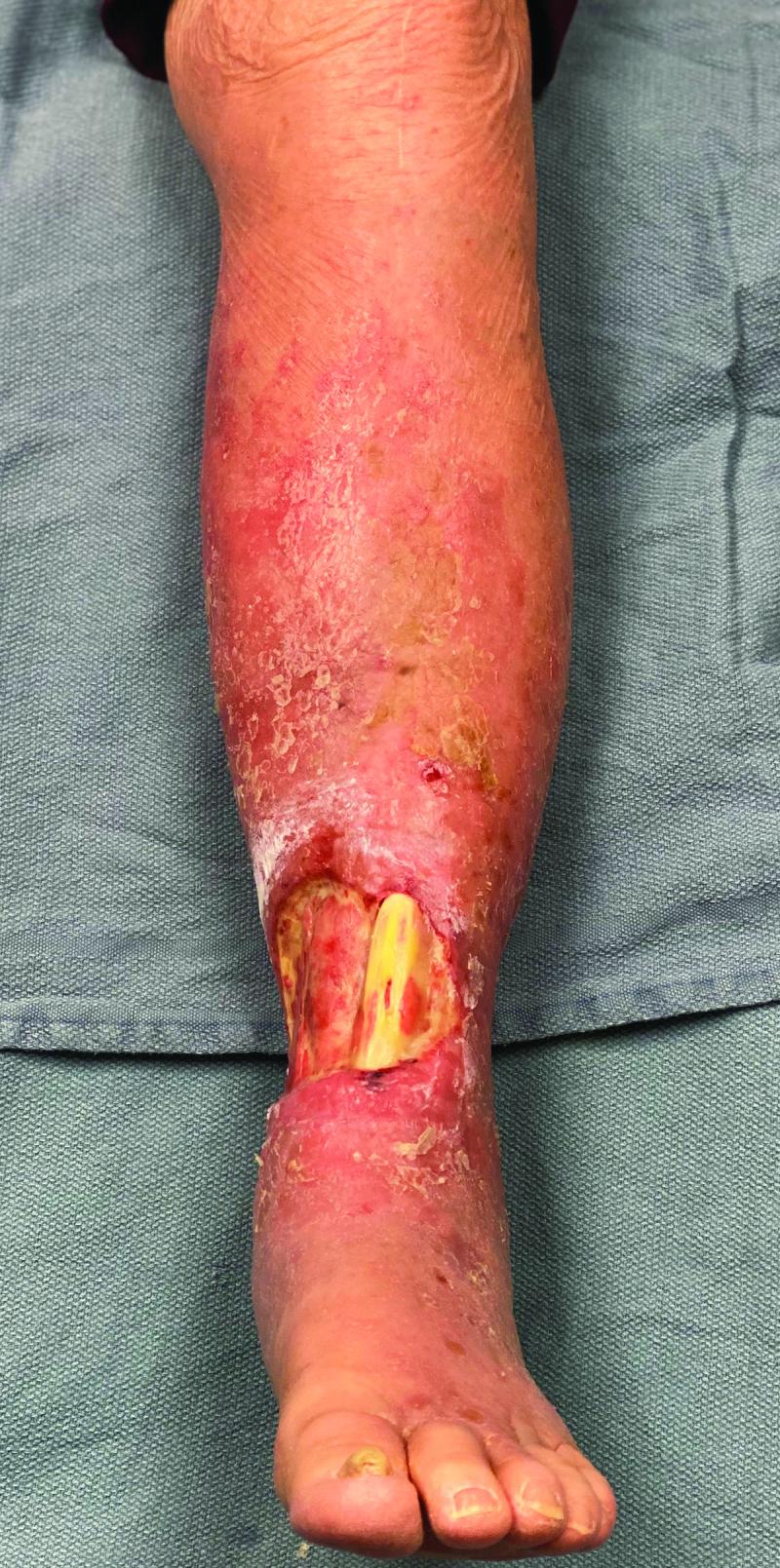
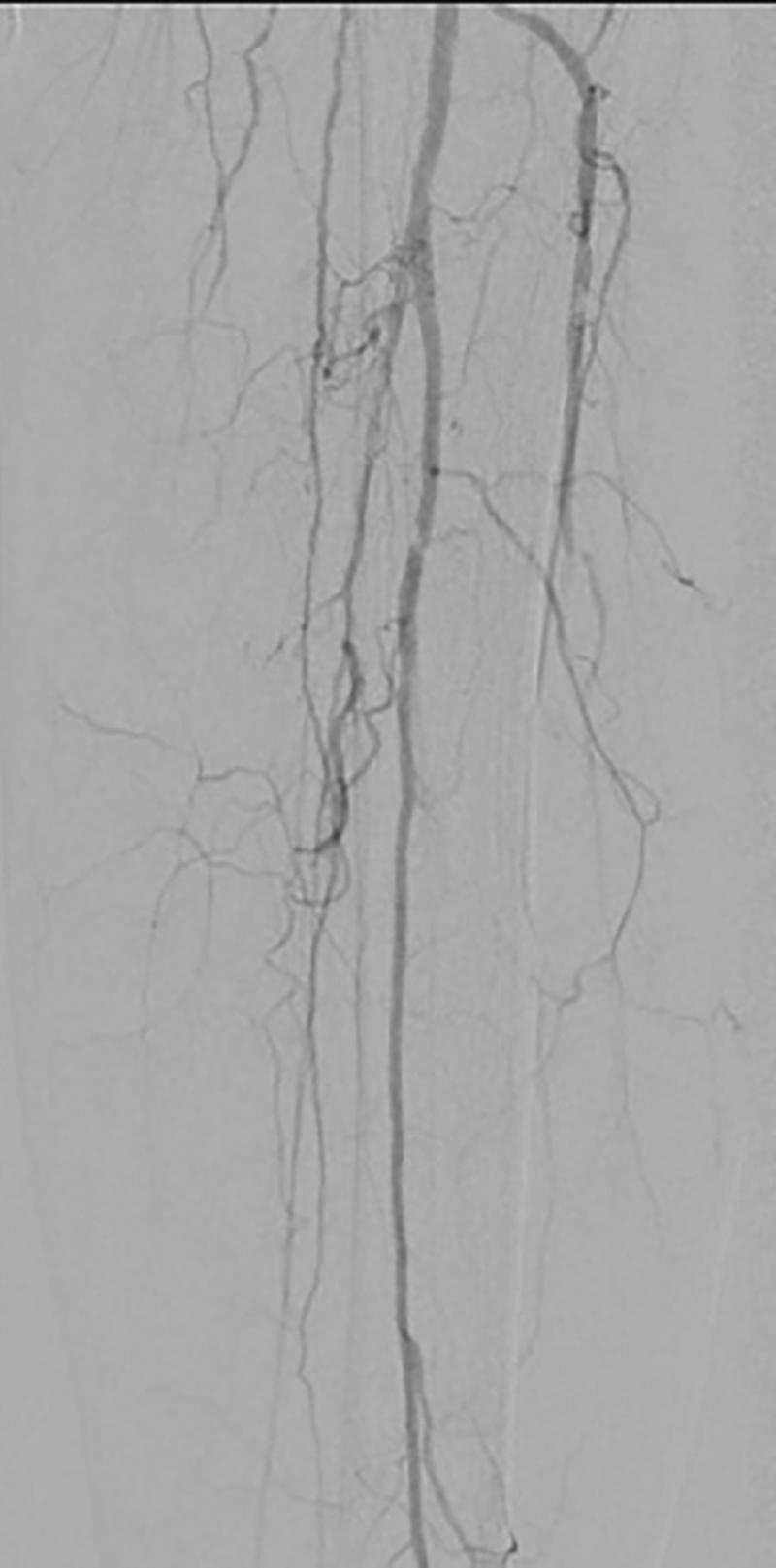
Distal lower extremity wounds are a challenging problem for reconstructive surgeons and can lead to major lower extremity amputations in patients with comorbid conditions. The reverse sural artery flap (RSAF) is a local flap supplied by perforators of the peroneal artery that can cover defects of the distal lower extremity, ankle, and foot. There has been concern over performing the RSAF in patients with venous insufficiency, peripheral artery disease, and diabetes, and in older patients due to the increased risk of flap necrosis. In patients who are not microsurgical candidates, the RSAF may be the final option for reconstruction before undergoing major lower extremity amputation. We describe our experience with two patients with significant comorbidities and single vessel runoff from the peroneal artery due to atherosclerotic disease who successfully underwent RSAF reconstruction for distal lower extremity wounds.
下肢远端伤口对于重建外科医生而言是个具有挑战性的问题,并且在患有合并症的患者中可能导致下肢大截肢。腓肠神经营养血管逆行皮瓣(RSAF)是一种由腓动脉穿支供血的局部皮瓣,可覆盖下肢远端、踝关节和足部的缺损。由于皮瓣坏死风险增加,对于患有静脉功能不全、外周动脉疾病和糖尿病的患者以及老年患者进行RSAF手术一直存在担忧。在不适合进行显微外科手术的患者中,RSAF可能是在接受下肢大截肢之前进行重建的最终选择。我们描述了两例患有严重合并症且因动脉粥样硬化疾病导致腓动脉单支血管血流的患者成功接受RSAF重建下肢远端伤口的经验。


 Zotero 插件