
作为血管老化的衡量指标的脉搏波速度估计值。
Estimated pulse wave velocity as a measure of vascular aging.
机构信息
Department of Exercise Science, Syracuse University, Syracuse, New York, United States of America.
Department of Exercise and Sport Science, University of North Carolina, Chapel Hill, North Carolina, United States of America.
出版信息
PLoS One. 2023 Jan 26;18(1):e0280896. doi: 10.1371/journal.pone.0280896. eCollection 2023.
BACKGROUND
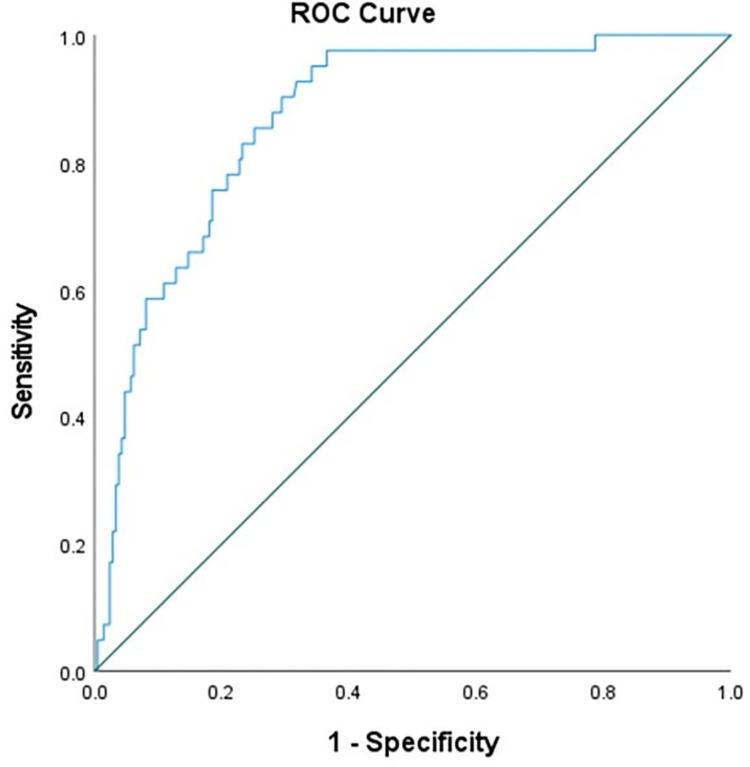
Carotid-femoral pulse wave velocity (cfPWV), the referent measure of aortic stiffness, is an established measure of vascular aging. In studies where cfPWV cannot be measured, alternative methods are needed to help promote research on vascular aging. This study examines the construct validity of a measure of PWV estimated from age and blood pressure (ePWV). The specific aims of the study are to: 1) explore the strength of association between ePWV, cfPWV, and other established measures of vascular aging; 2) examine the sensitivity and specificity of elevated ePWV (≥10m/s) in relation to elevated cfPWV (≥10m/s).
METHODS
We measured cfPWV in two-hundred and fifty-two adults (mean age 57±12 years, 48% female) and calculated each participant's ePWV from their age and brachial blood pressure. Additional measures of vascular aging included: carotid intima-media thickness (cIMT); carotid stiffness measured as elastic modulus (cEp); and carotid augmentation index (cAIx).
RESULTS
The correlations between cfPWV and measures of vascular aging were: cEp (r = 0.36), cIMT (r = 0.49), and cAIx (r = 0.04). The correlations between ePWV and measures of vascular aging were: cEp (r = 0.45), cIMT (r = 0.60), and cAIx (r = 0.24). The correlation between ePWV and cfPWV was (r = 0.67). The sensitivity and specificity of elevated ePWV (≥ 10 m/s) for concomitantly identifying high cfPWV (≥ 10 m/s) were 85.4% and 73.0% respectively.
CONCLUSION
ePWV is associated with established measures of vascular aging, such as carotid thickness, carotid stiffness and carotid augmentation index. ePWV may be a useful tool to help promote research on vascular aging.
背景
颈股脉搏波速度(cfPWV)是衡量主动脉僵硬度的参考指标,也是血管老化的既定衡量标准。在无法测量 cfPWV 的研究中,需要采用其他方法来帮助推动血管老化的研究。本研究旨在检验通过年龄和血压估计的脉搏波速度(ePWV)的结构效度。该研究的具体目的是:1)探讨 ePWV 与 cfPWV 及其他血管老化既定衡量标准之间的关联强度;2)检验 ePWV 升高(≥10m/s)与 cfPWV 升高(≥10m/s)的相关性的灵敏度和特异性。
方法
我们测量了 252 名成年人的 cfPWV(平均年龄 57±12 岁,48%为女性),并根据每位参与者的年龄和肱动脉血压计算其 ePWV。血管老化的其他衡量标准包括:颈动脉内膜中层厚度(cIMT);作为弹性模量的颈动脉僵硬度(cEp);以及颈动脉增强指数(cAIx)。
结果
cfPWV 与血管老化衡量标准之间的相关性为:cEp(r = 0.36)、cIMT(r = 0.49)和 cAIx(r = 0.04)。ePWV 与血管老化衡量标准之间的相关性为:cEp(r = 0.45)、cIMT(r = 0.60)和 cAIx(r = 0.24)。ePWV 与 cfPWV 之间的相关性为(r = 0.67)。ePWV 升高(≥10m/s)同时识别 cfPWV 升高(≥10m/s)的灵敏度和特异性分别为 85.4%和 73.0%。
结论
ePWV 与颈动脉厚度、颈动脉僵硬度和颈动脉增强指数等血管老化的既定衡量标准相关。ePWV 可能是促进血管老化研究的有用工具。

 Zotero 插件