
肥胖和瘦犬的粪便微生物群、炎症及抗氧化状态,以及热量限制的影响。
Fecal microbiota and inflammatory and antioxidant status of obese and lean dogs, and the effect of caloric restriction.
作者信息
Vecchiato Carla Giuditta, Golinelli Stefania, Pinna Carlo, Pilla Rachel, Suchodolski Jan S, Tvarijonaviciute Asta, Rubio Camila Peres, Dorato Elisa, Delsante Costanza, Stefanelli Claudio, Pagani Elena, Fracassi Federico, Biagi Giacomo
机构信息
Department of Veterinary Medical Sciences, University of Bologna, Bologna, Italy.
Gastrointestinal Laboratory, Texas A&M University, College Station, TX, United States.
出版信息
Front Microbiol. 2023 Jan 12;13:1050474. doi: 10.3389/fmicb.2022.1050474. eCollection 2022.
INTRODUCTION
Obesity is the most common nutritional disease in dogs, and is generally managed by caloric restriction. Gut microbiota alteration could represent a predisposing factor for obesity development, which has been associated with a low-grade inflammatory condition and an impaired antioxidant status. Besides, weight loss has been shown to influence the gut microbiota composition and reduce the inflammatory response and oxidative stress.
METHOD
However, these insights in canine obesity have not been fully elucidated. The aim of this study was to assess the differences in serum and inflammatory parameters, antioxidant status, fecal microbiota and bacterial metabolites in 16 obese and 15 lean client-owned dogs and how these parameters in obese may be influenced by caloric restriction. First, for 30 days, all dogs received a high-protein, high-fiber diet in amounts to maintain their body weight; later, obese dogs were fed for 180 days the same diet in restricted amounts to promote weight loss.
RESULTS
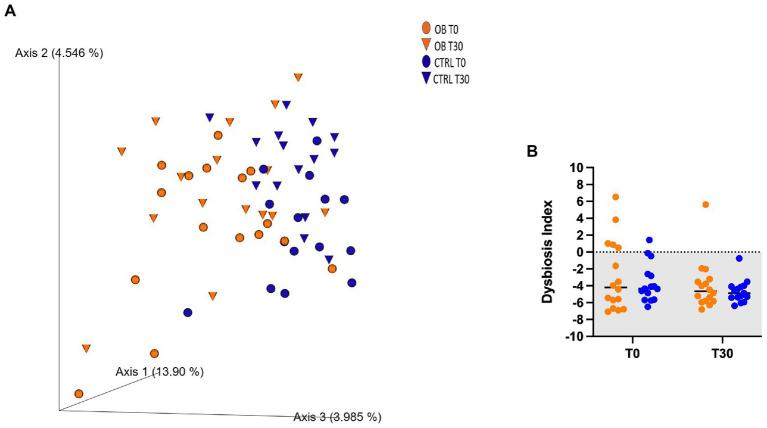
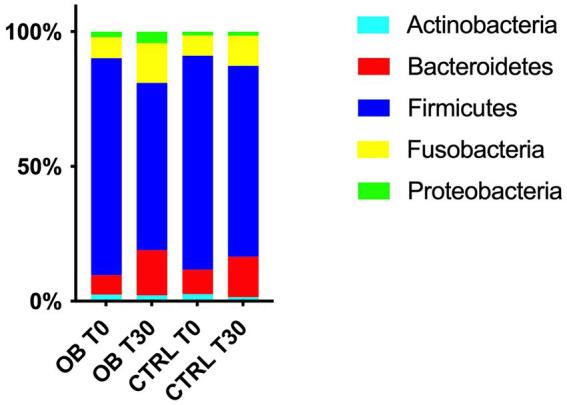
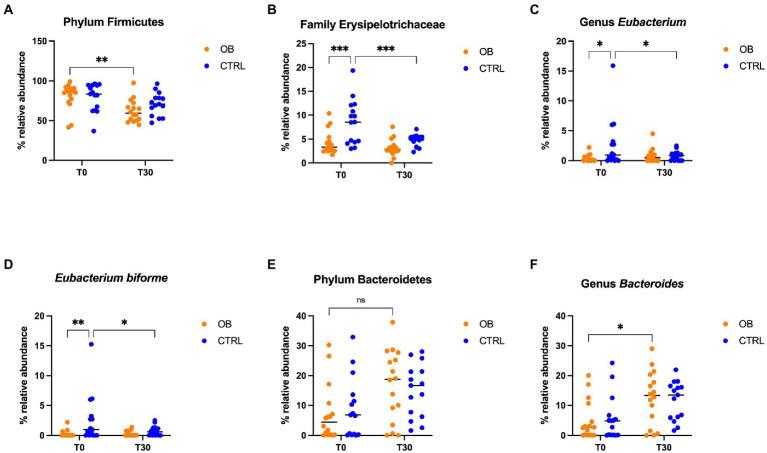
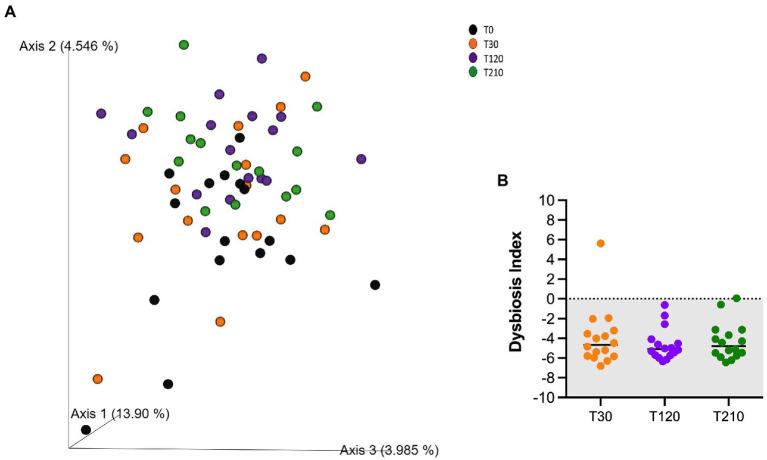
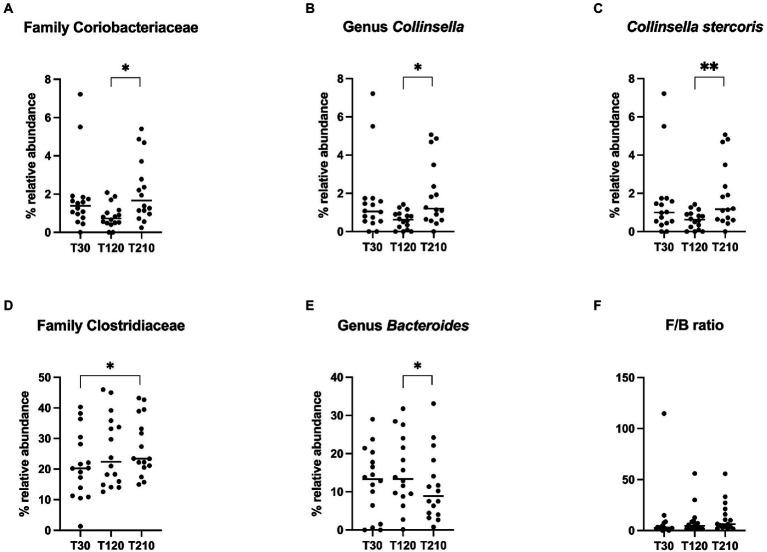
Before the introduction of the experimental diet (T0), small differences in fecal microbial populations were detected between obese and lean dogs, but bacterial diversity and main bacterial metabolites did not differ. The fecal Dysbiosis Index (DI) was within the reference range (< 0) in most of dogs of both groups. Compared to lean dogs, obese dogs showed higher serum concentrations of acute-phase proteins, total thyroxine (TT4), and antioxidant capacity. Compared to T0, dietary treatment affected the fecal microbiota of obese dogs, decreasing the abundance of Firmicutes and increasing spp. However, these changes did not significantly affect the DI. The caloric restriction failed to exert significative changes on a large scale on bacterial populations. Consequently, the DI, bacterial diversity indices and metabolites were unaffected in obese dogs. Caloric restriction was not associated with a reduction of inflammatory markers or an improvement of the antioxidant status, while an increase of TT4 has been observed.
DISCUSSION
In summary, the present results underline that canine obesity is associated with chronic inflammation. This study highlights that changes on fecal microbiota of obese dogs induced by the characteristics of the diet should be differentiated from those that are the consequence of the reduced energy intake.
引言
肥胖是犬类最常见的营养疾病,通常通过热量限制来控制。肠道微生物群改变可能是肥胖发生的一个易感因素,肥胖与低度炎症状态和抗氧化状态受损有关。此外,体重减轻已被证明会影响肠道微生物群组成,并减少炎症反应和氧化应激。
方法
然而,这些关于犬类肥胖的见解尚未完全阐明。本研究的目的是评估16只肥胖和15只瘦的宠物犬血清和炎症参数、抗氧化状态、粪便微生物群和细菌代谢产物的差异,以及热量限制如何影响肥胖犬的这些参数。首先,所有犬只连续30天接受高蛋白、高纤维饮食,摄入量维持其体重;之后,肥胖犬只接受180天相同饮食的限量喂养以促进体重减轻。
结果
在引入实验性饮食之前(T0),肥胖犬和瘦犬之间粪便微生物种群存在微小差异,但细菌多样性和主要细菌代谢产物并无差异。两组大多数犬只的粪便失调指数(DI)均在参考范围内(<0)。与瘦犬相比,肥胖犬血清急性期蛋白、总甲状腺素(TT4)浓度和抗氧化能力更高。与T0相比,饮食治疗影响了肥胖犬的粪便微生物群,降低了厚壁菌门丰度并增加了某些菌属。然而,这些变化并未显著影响DI。热量限制未能对细菌种群产生大规模的显著变化。因此,肥胖犬的DI、细菌多样性指数和代谢产物未受影响。热量限制与炎症标志物的减少或抗氧化状态的改善无关,同时观察到TT4增加。
讨论
总之,目前的结果强调犬类肥胖与慢性炎症有关。本研究强调,饮食特征引起的肥胖犬粪便微生物群变化应与能量摄入减少导致的变化区分开来。


 Zotero 插件