
晶面与钠掺杂双工程超薄BiOCl纳米片用于高效氧活化以增强光催化性能
Crystal facet and Na-doping dual engineering ultrathin BiOCl nanosheets with efficient oxygen activation for enhanced photocatalytic performance.
作者信息
Chen Kunyu, Huang Yiwei, Huang Meina, Zhu Yanqiu, Tang Ming, Bi Renjie, Zhu Meiping
机构信息
State Key Laboratory of Featured Metal Materials and Life-cycle Safety for Composite Structures, School of Resources, Environment and Materials, Guangxi University Nanning 530004 P. R. China
College of Materials and New Energy, South China Normal University Shanwei 516625 P. R. China.
出版信息
RSC Adv. 2023 Feb 6;13(7):4729-4745. doi: 10.1039/d2ra08003f. eCollection 2023 Jan 31.
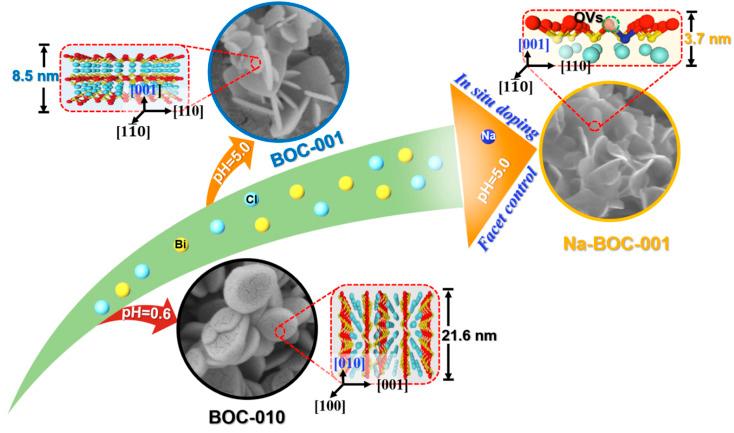
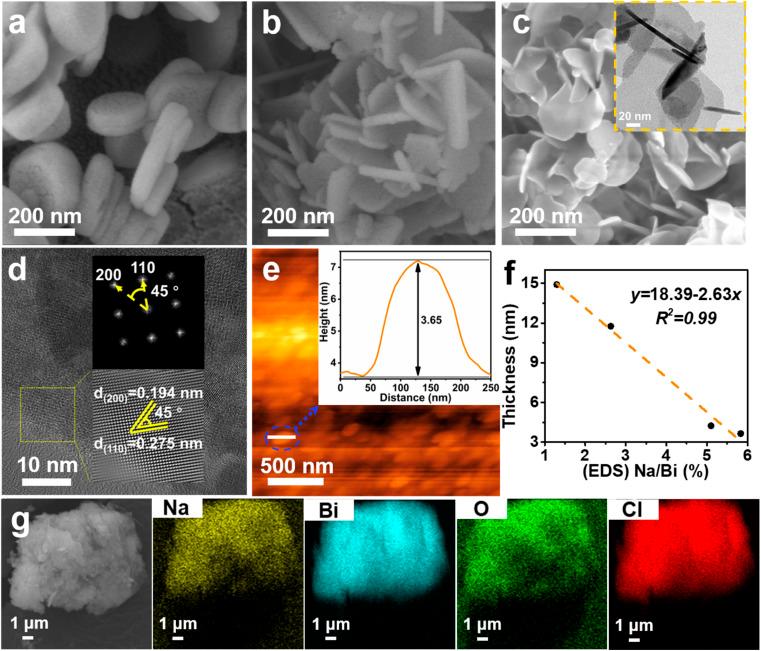
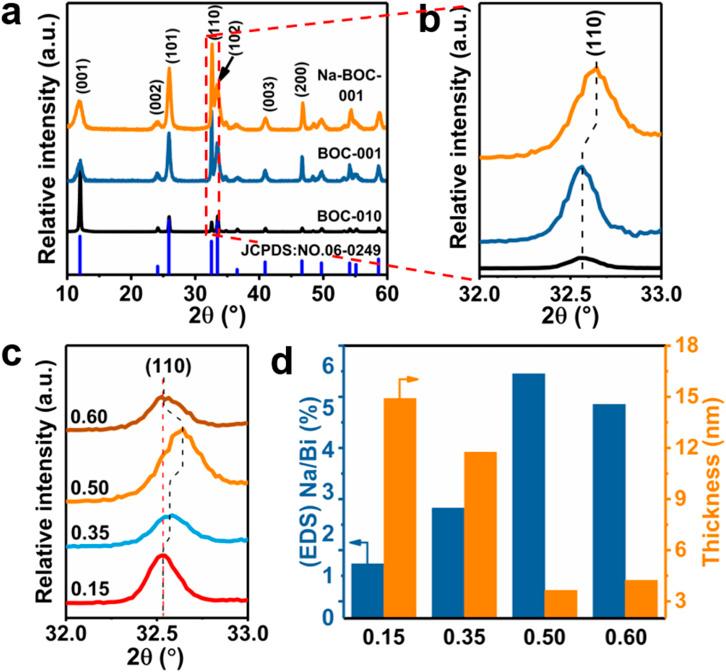
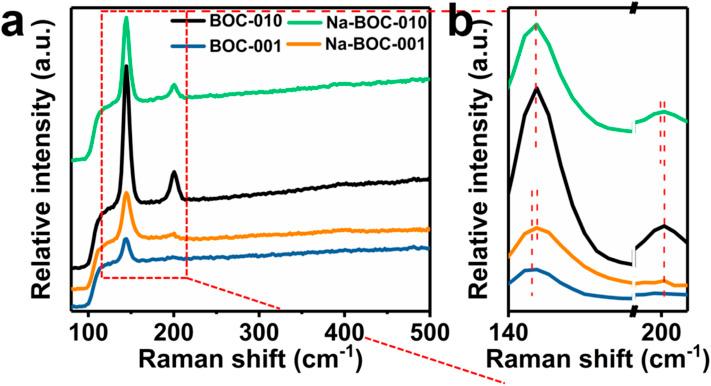
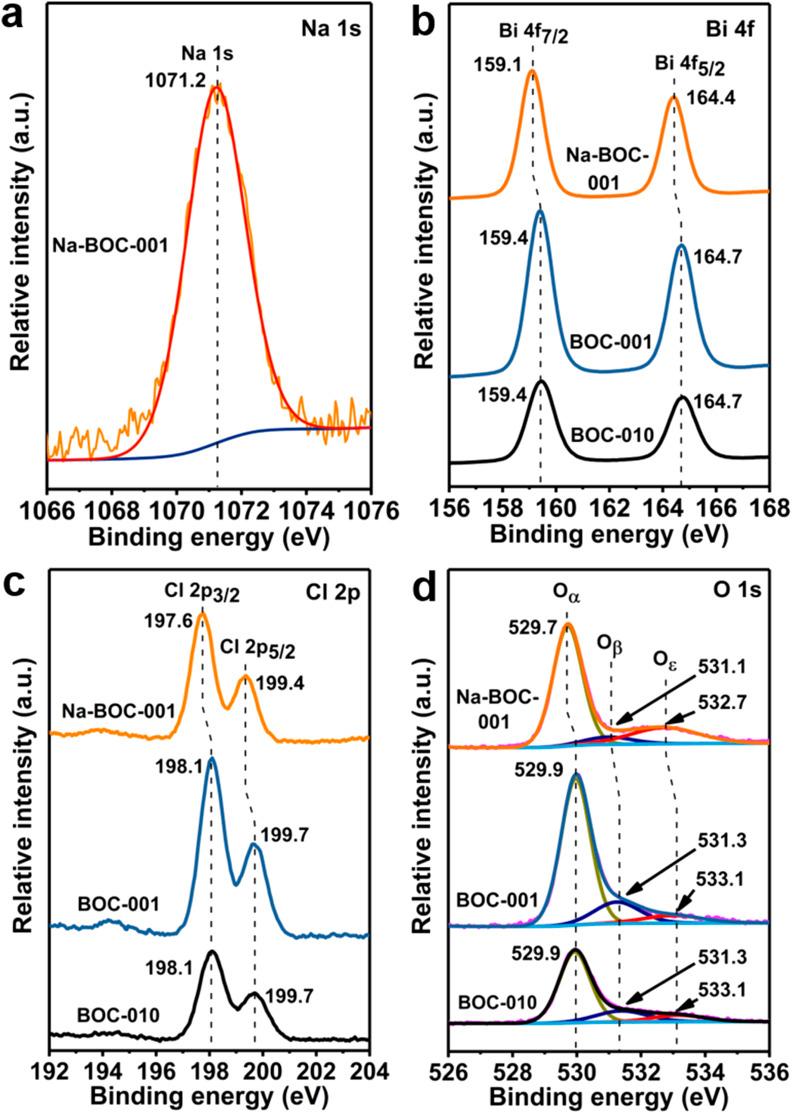
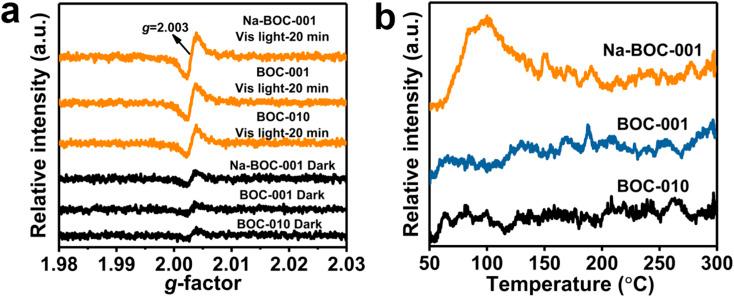
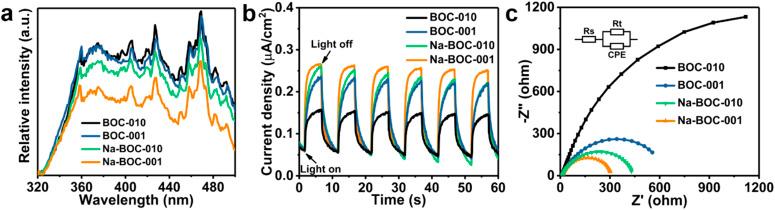
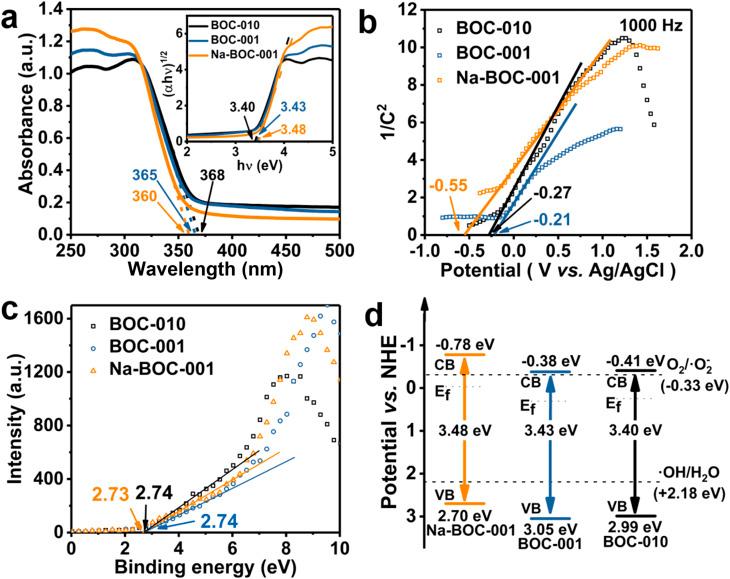
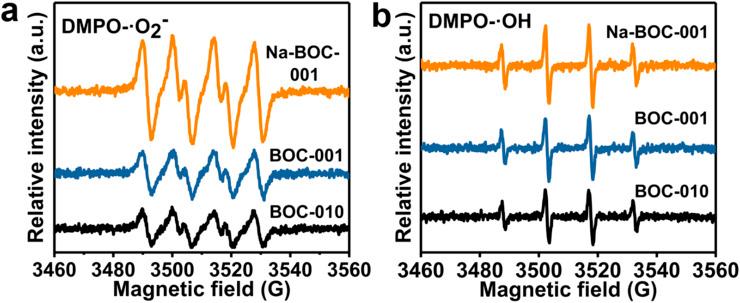
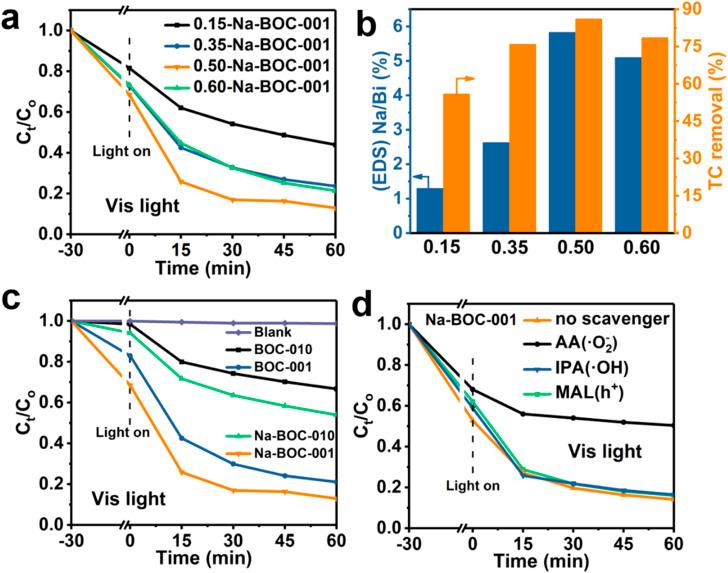
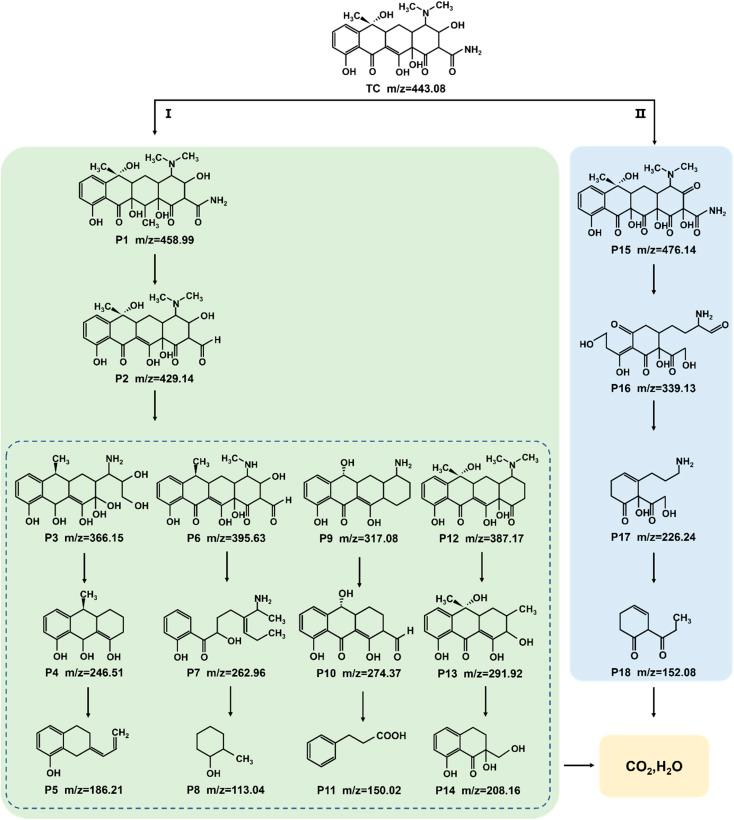
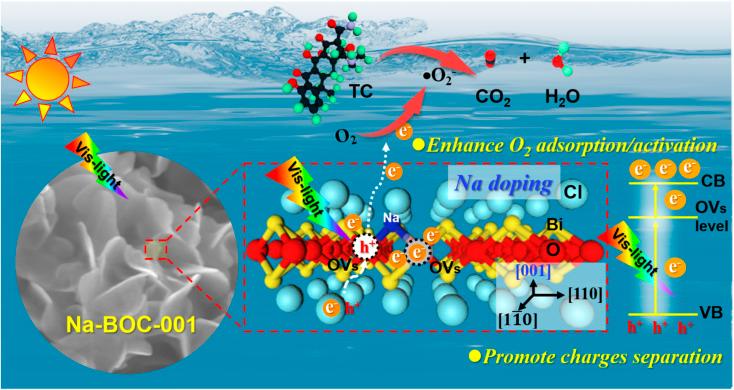
Photocatalytic oxidation (PCO) based on semiconductors offers a sustainable and promising way for environmental remediation. However, the photocatalytic performance currently suffers from weak light-harvesting ability, rapid charge combination and a lack of accessible reactive sites. Ultrathin two-dimensional (2D) materials are ideal candidates to overcome these problems and become hotpots in the research fields. Herein, we demonstrate an ultrathin (<4 nm thick) Na-doped BiOCl nanosheets with {001} facets (Na-BOC-001) fabricated a facile bottom-up approach. Because of the synergistic effect of highly exposed active facets and optimal Na doping on the electronic and crystal structure, the Na-BOC-001 showed an upshifted conduction band (CB) with stronger reduction potential for O activation, more defective surface for enhanced O adsorption, as well as the highest visible-light driven charge separation and transfer ability. Compared with the bulk counterparts (BOC-010 and BOC-001), the largest amount of active species and the best photocatalytic performance for the tetracycline hydrochloride (TC) degradation were achieved for the Na-BOC-001 under visible-light irradiation, even though it had slightly weaker visible-light absorption ability. Moreover, the effect of the Na doping and crystal facet on the possible pathways for TC degradation was investigated. This work offers a feasible and economic strategy for the construction of highly efficient ultrathin 2D materials.
基于半导体的光催化氧化(PCO)为环境修复提供了一种可持续且有前景的方法。然而,目前光催化性能受到光捕获能力弱、电荷快速复合以及缺乏可及反应位点的困扰。超薄二维(2D)材料是克服这些问题的理想候选者,并且成为了研究领域的热点。在此,我们展示了一种通过简便的自下而上方法制备的具有{001}面的超薄(<4 nm厚)Na掺杂BiOCl纳米片(Na-BOC-001)。由于高度暴露的活性面和最佳Na掺杂对电子和晶体结构的协同作用,Na-BOC-001表现出向上移动的导带(CB),具有更强的O活化还原电位、更多缺陷的表面以增强O吸附,以及最高的可见光驱动电荷分离和转移能力。与块状对应物(BOC-010和BOC-001)相比,尽管Na-BOC-001的可见光吸收能力略弱,但在可见光照射下,其对四环素盐酸盐(TC)降解具有最大量的活性物种和最佳的光催化性能。此外,还研究了Na掺杂和晶面对TC降解可能途径的影响。这项工作为构建高效超薄2D材料提供了一种可行且经济的策略。
 Zotero 插件