
用于生物医学应用的载姜黄素丝素蛋白/透明质酸水凝胶的快速简易制备
Accelerated Simple Preparation of Curcumin-Loaded Silk Fibroin/Hyaluronic Acid Hydrogels for Biomedical Applications.
作者信息
Chaala Mohamed, Sebba Fatima Zohra, Fuster Marta G, Moulefera Imane, Montalbán Mercedes G, Carissimi Guzmán, Víllora Gloria
机构信息
Laboratoire de Chimie Physique Macromoléculaire, Département de Chimie, Université Oran1 Ahmed Ben Bella, B.P 1524, El-Menaouer, Oran 31000, Algeria.
Chemical Engineering Department, Faculty of Chemistry, Regional Campus of International Excellence "Campus Mare Nostrum", University of Murcia, 30071 Murcia, Spain.
出版信息
Polymers (Basel). 2023 Jan 18;15(3):504. doi: 10.3390/polym15030504.
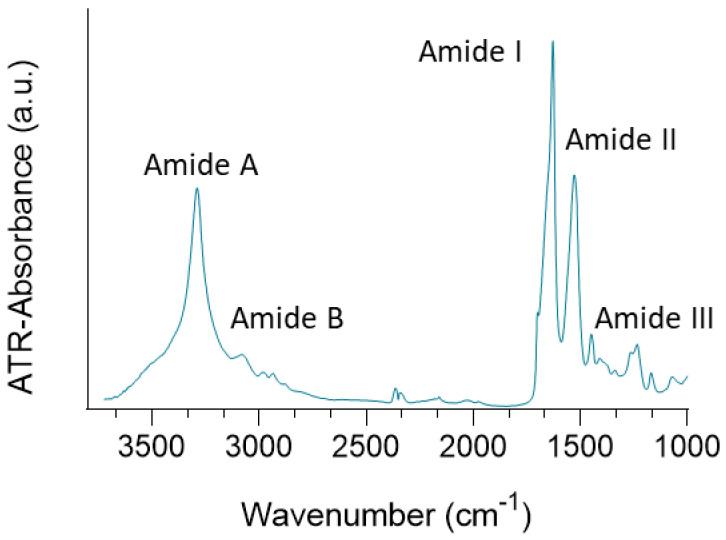
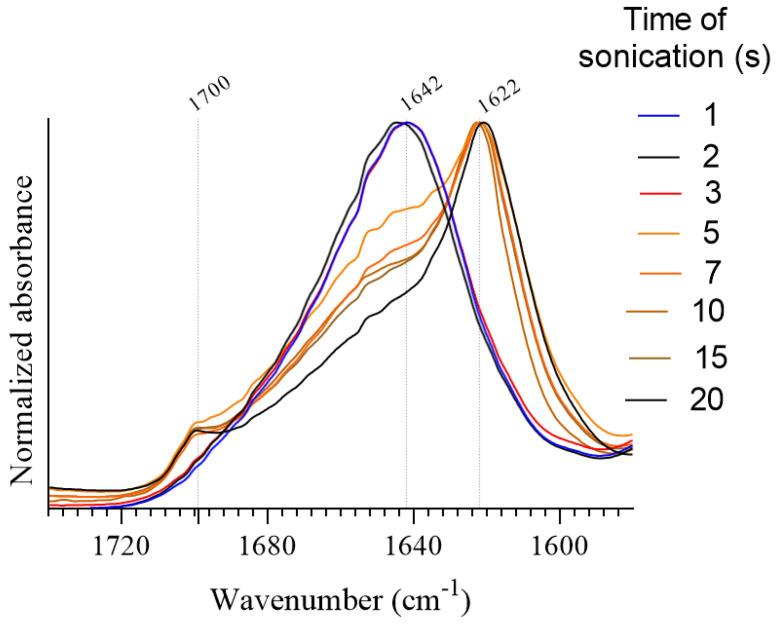
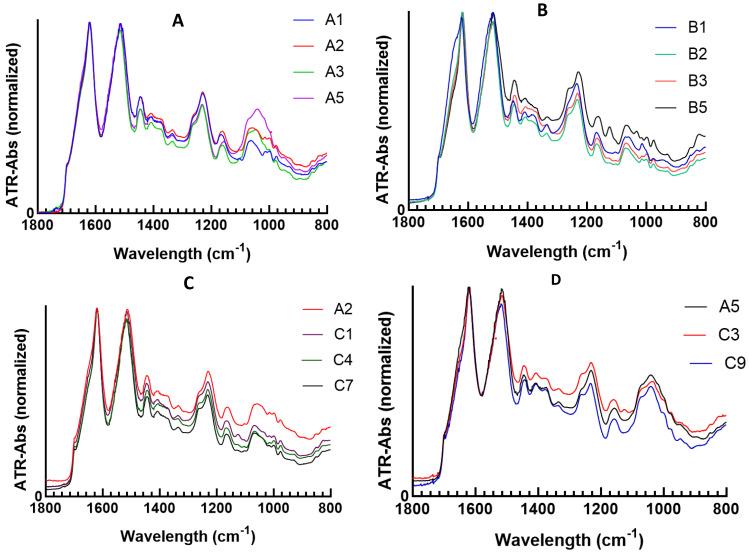
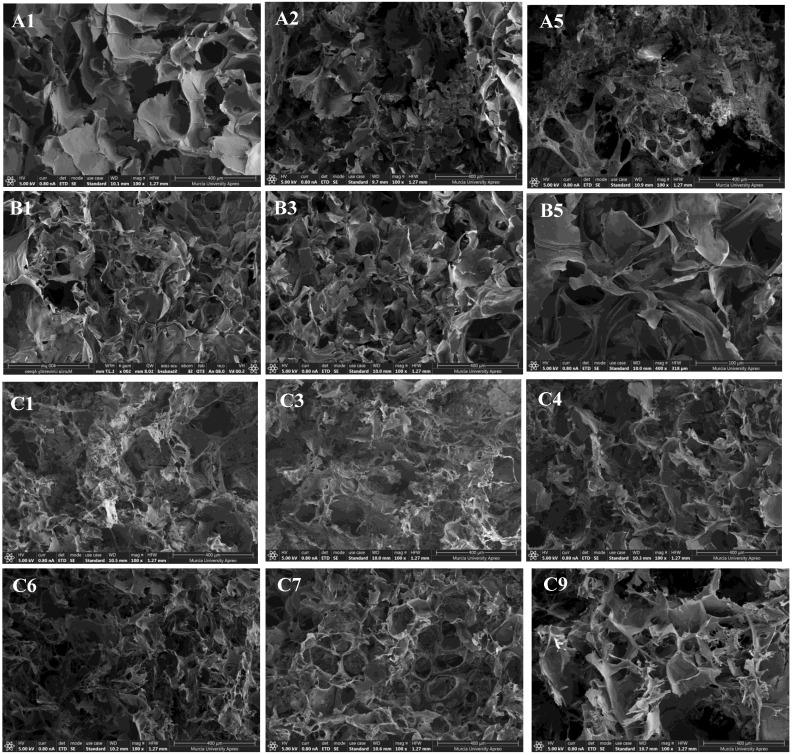
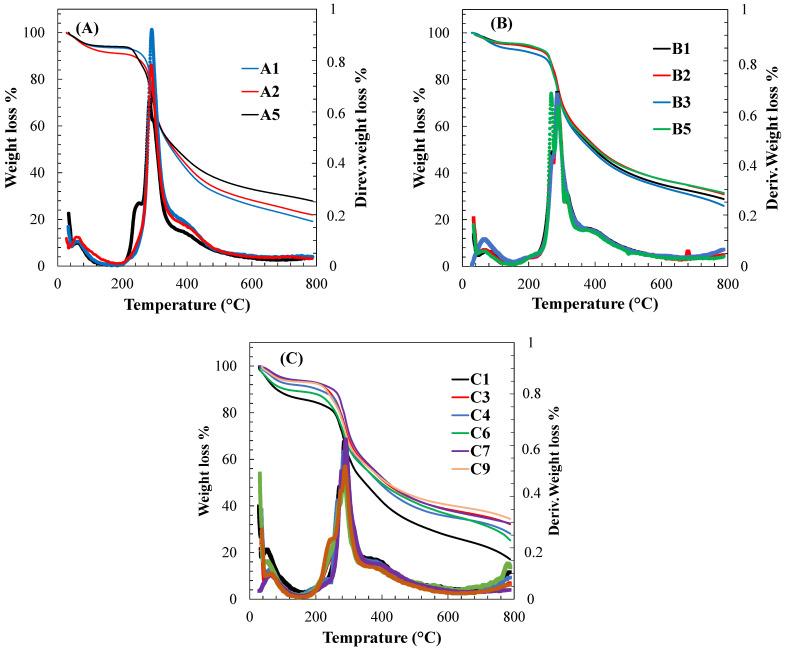
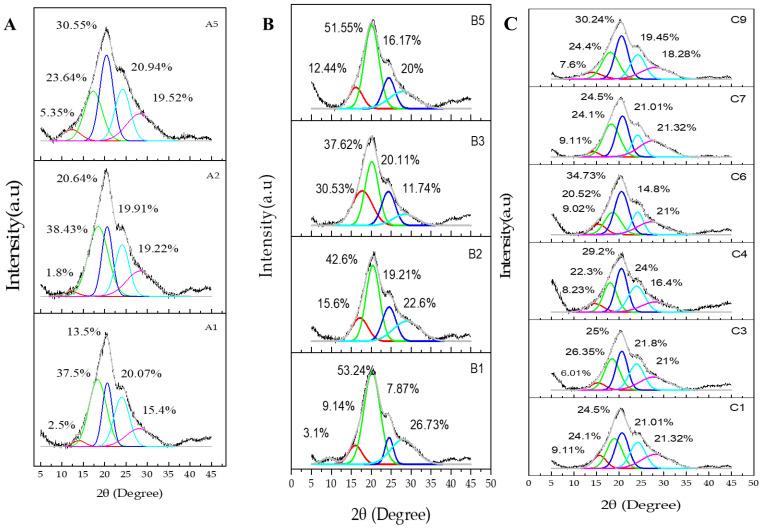
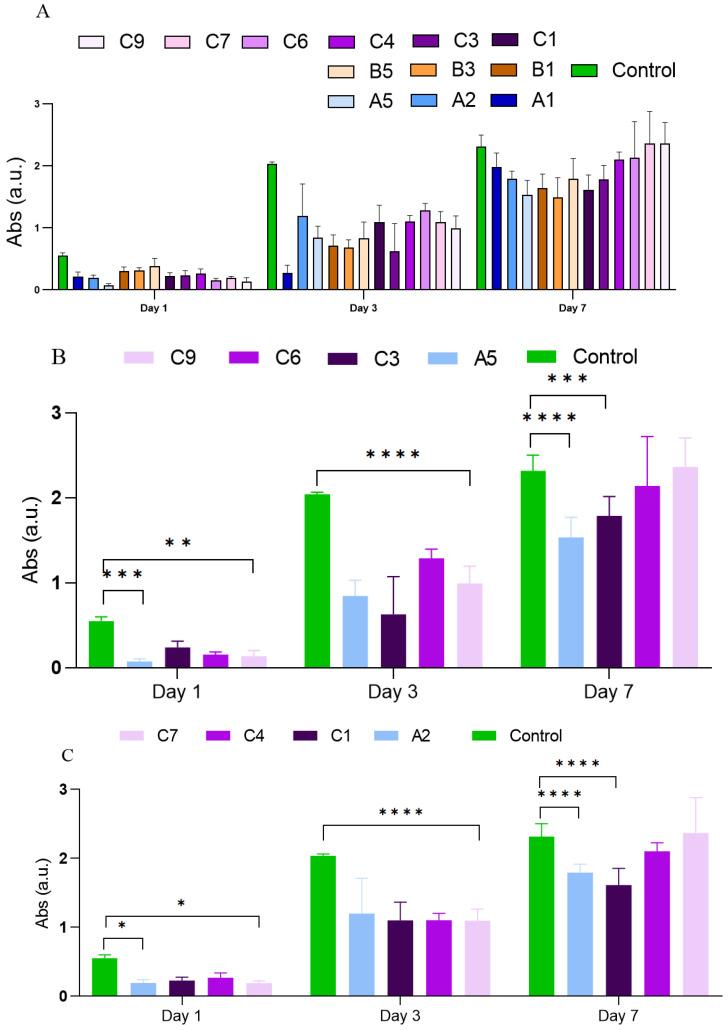
The development of new biomaterials from natural fibres in the field of biomedicine have attracted great interest in recent years. One of the most studied fibres has been silk fibroin produced by the Bombyx mori worm, due to its excellent mechanical properties and its biodegradability and bioavailability. Among the different biomaterials that can be prepared from silk fibroin, hydrogels have attracted considerable attention due to their potential use in different fields, such as scaffolding, cell therapy and biomedical application. Hydrogels are essentially a three-dimensional network of flexible polymer chains that absorb considerable amounts of water and can be loaded with drugs and/or cells inside to be used in a wide variety of applications. Here we present a simple sonication process for the preparation of curcumin-hyaluronic acid-silk fibroin hydrogels. Different grades of hydrogels were prepared by controlling the relative amounts of their components. The hydrogels were physically and morphologically characterised by Fourier transform infrared spectroscopy (FTIR), X-ray diffraction (XRD), thermogravimetric analysis (TGA) and field emission scanning electron microscopy (FESEM) and their biological activity was tested in terms of cell viability in a fibroblast cell line.
近年来,生物医学领域中利用天然纤维开发新型生物材料引起了人们极大的兴趣。家蚕产生的丝素蛋白是研究最多的纤维之一,因其具有优异的机械性能、生物降解性和生物利用度。在可由丝素蛋白制备的不同生物材料中,水凝胶因其在不同领域(如支架、细胞治疗和生物医学应用)的潜在用途而备受关注。水凝胶本质上是由柔性聚合物链构成的三维网络,能吸收大量水分,并可在内部负载药物和/或细胞,用于各种各样的应用。在此,我们展示一种制备姜黄素 - 透明质酸 - 丝素蛋白水凝胶的简单超声处理方法。通过控制各组分的相对含量制备了不同等级的水凝胶。利用傅里叶变换红外光谱(FTIR)、X射线衍射(XRD)、热重分析(TGA)和场发射扫描电子显微镜(FESEM)对水凝胶进行了物理和形态表征,并在成纤维细胞系中通过细胞活力测试了它们的生物活性。



 Zotero 插件