
结束驱逐禁令的预期及可能出现的意外后果。
Expected and possible unexpected consequences of ending the eviction moratorium.
作者信息
Tsai Jack
机构信息
School of Public Health, University of Texas Health Science Center at Houston, Houston, TX 77030, United States.
National Center on Homelessness Among Veterans, U.S. Department of Veterans Affairs, Tampa, FL, United States.
出版信息
Lancet Reg Health Am. 2021 Oct 22;4:100105. doi: 10.1016/j.lana.2021.100105. eCollection 2021 Dec.
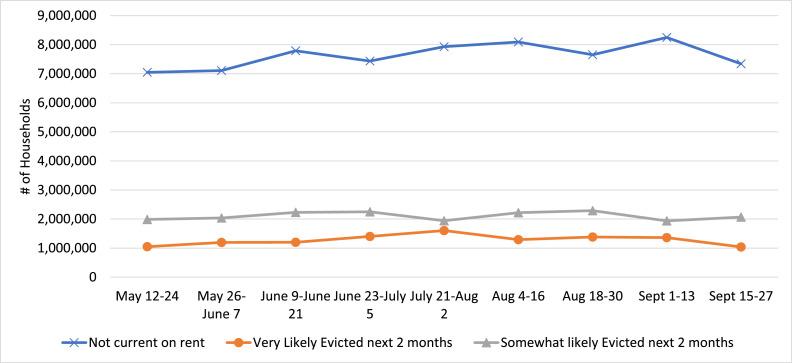
The U.S. Supreme Court ended the federal moratorium on evictions that was in effect from May 2020-August 2021 during the Coronavirus Disease 2019 (COVID-19) pandemic. The end of an unprecedented national eviction moratorium has public health implications for housing, health, and homelessness. Accumulation of eviction filings, unpaid rent, tenant moral hazards, deteriorated tenant-landlord relationships, and increased transmission of COVID-19 and rates of homelessness are possible consequences that need to be prepared for as the federal eviction moratorium has ended. Innovative approaches and solutions can be taken that build upon existing knowledge and infrastructure for rental assistance, legal aid, and homeless prevention.
美国最高法院结束了自2020年5月至2021年8月在2019冠状病毒病(COVID-19)大流行期间实施的联邦驱逐禁令。前所未有的全国性驱逐禁令的结束对住房、健康和无家可归问题产生了公共卫生影响。随着联邦驱逐禁令的结束,驱逐申请的累积、未付租金、租户道德风险、租户与房东关系的恶化以及COVID-19传播率和无家可归率的上升都是可能出现的后果,需要为此做好准备。可以在现有租赁援助、法律援助和无家可归预防知识及基础设施的基础上采取创新方法和解决方案。
 Zotero 插件