
与肠道微生物组结构相关的宿主因素。
Host Factors Associated with Gut Mycobiome Structure.
机构信息
Institute of Bioorganic Chemistry, Polish Academy of Sciences, Poznan, Poland.
Institute of Computing Science, Poznan University of Technology, Poznan, Poland.
出版信息
mSystems. 2023 Apr 27;8(2):e0098622. doi: 10.1128/msystems.00986-22. Epub 2023 Feb 14.
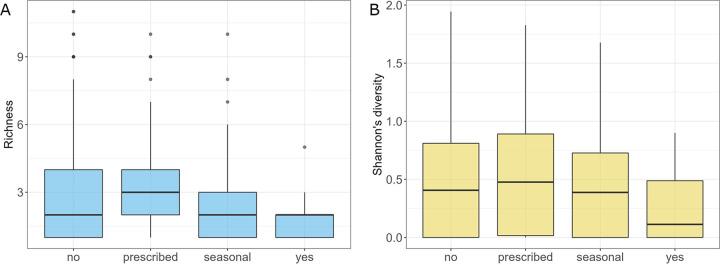
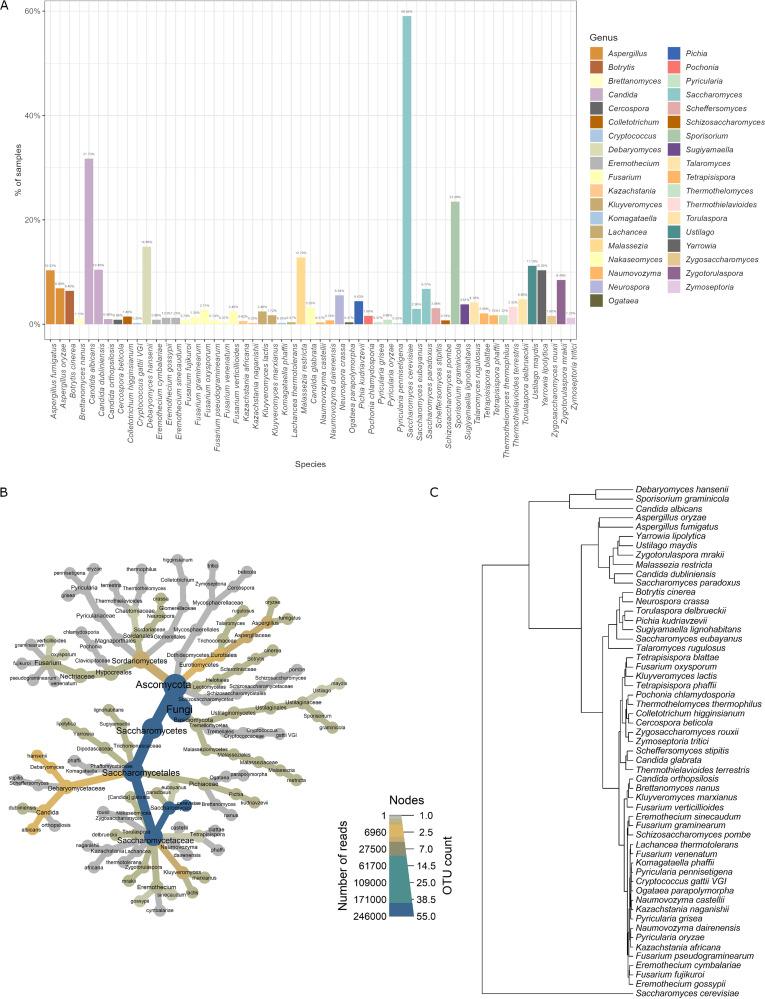
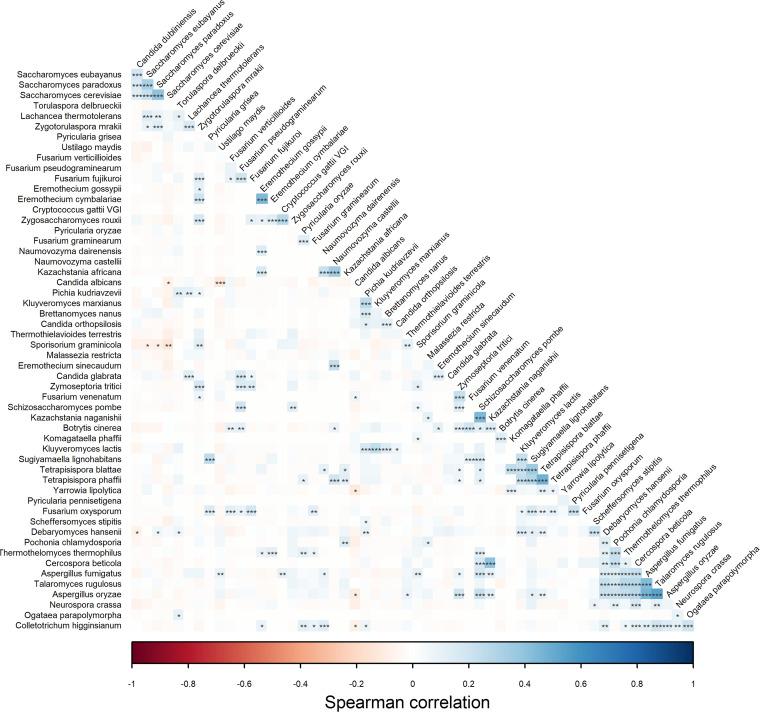
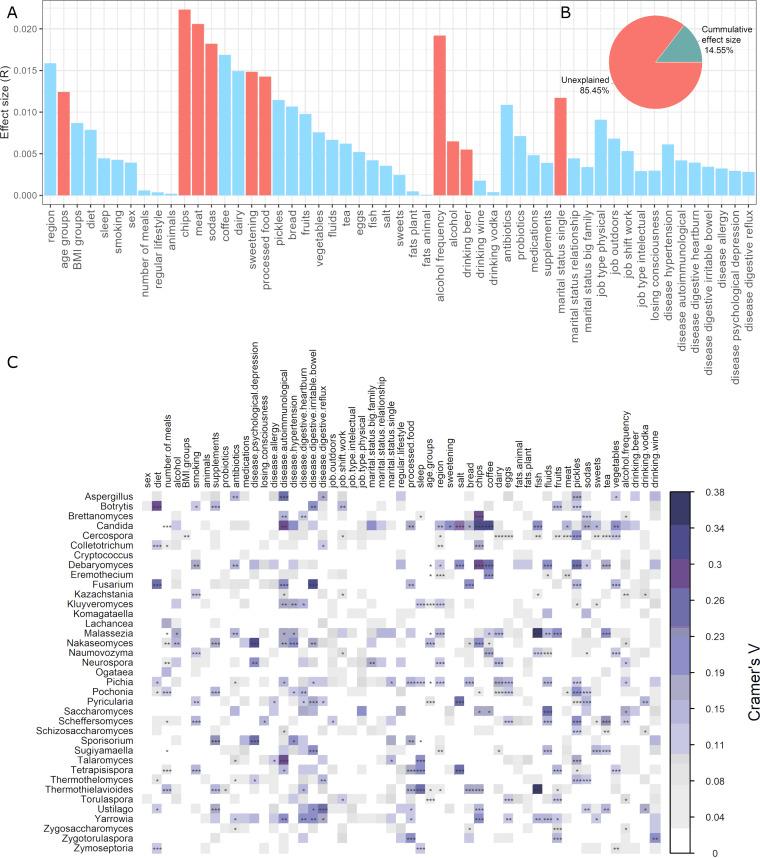
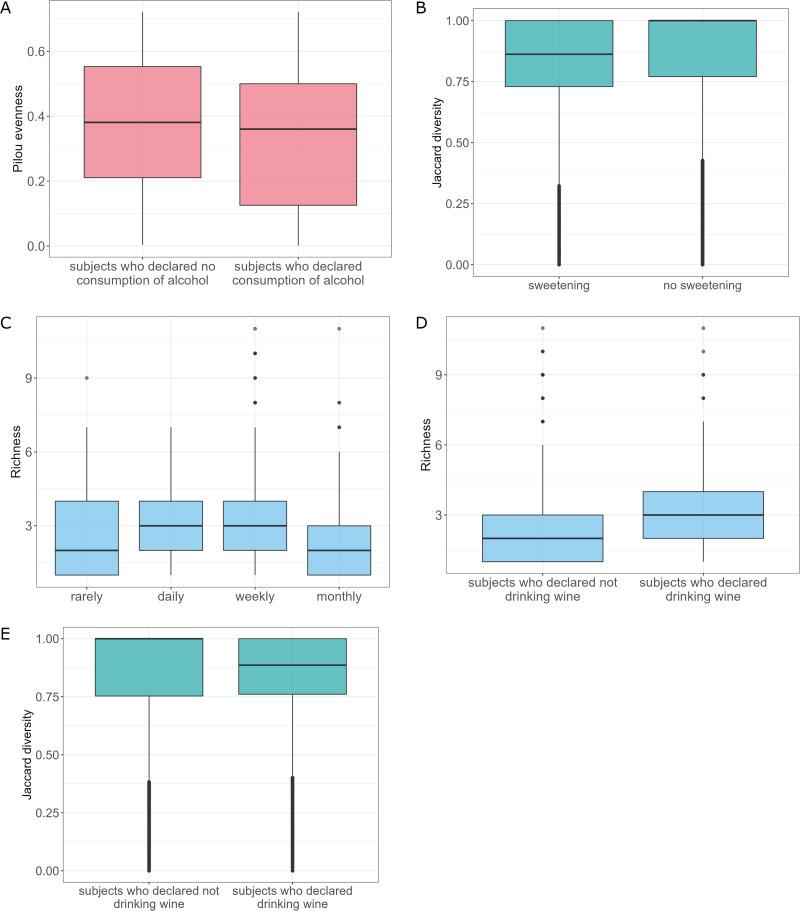
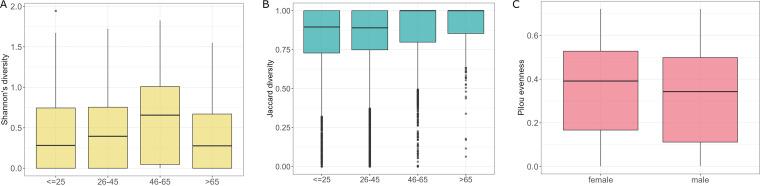
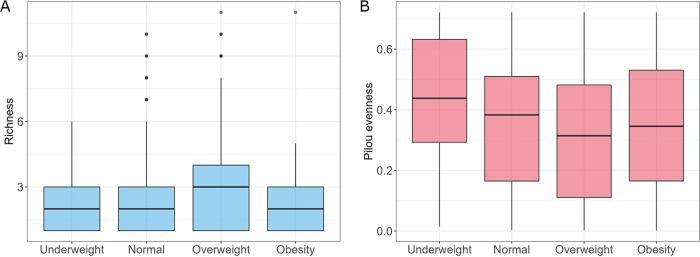
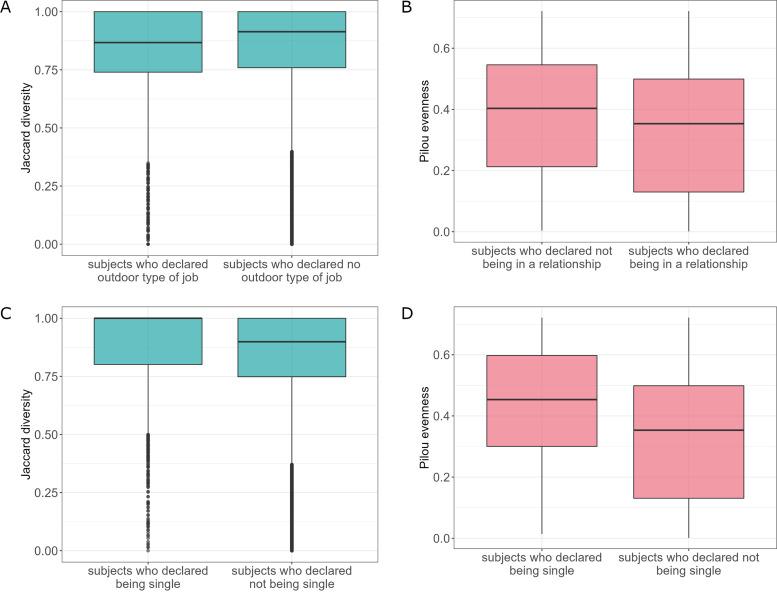
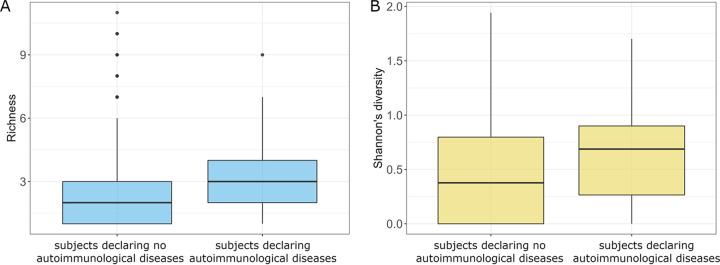
Recent studies revealed a significant role of the gut fungal community in human health. Here, we investigated the content and variation of gut mycobiota among subjects from the European population. We explored the interplay between gut fungi and various host-related sociodemographic, lifestyle, health, and dietary factors. The study included 923 participants. Fecal DNA samples were analyzed by whole-metagenome high-throughput sequencing. Subsequently, fungi taxonomic profiles were determined and accompanied by computational and statistical analyses of the association with 53 host-related factors. Fungal communities were characterized by a high prevalence of , , and . Ten factors were found to correlate significantly with the overall mycobiota variation. Most were diet related, including the consumption of chips, meat, sodas, sweetening, processed food, and alcohol, followed by age and marital status. Differences in α- and/or β-diversity were also reported for other factors such as body mass index (BMI), job type, autoimmunological diseases, and probiotics. Differential abundance analysis revealed fungal species that exhibited different patterns of changes under specific conditions. The human gut mycobiota is dominated by yeast, including , , and . Although intervolunteer variability was high, several fungal species persisted across most samples, which may be evidence that a core gut mycobiota exists. Moreover, we showed that host-related factors such as diet, age, and marital status influence the variability of gut mycobiota. To our knowledge, this is the first large and comprehensive study of the European cohort in terms of gut mycobiota associations with such an extensive and differentiated host-related set of factors. The human gut is inhabited by many organisms, including bacteria and fungi, that may affect human health. However, research on human gut mycobiome is still rare. Moreover, the large European-based cohort study is missing. Here, we analyzed the first large European cohort in terms of gut mycobiota associations with a differentiated host-related set of factors. Our results showed that chips, meat, sodas, sweetening, processed food, beer, alcohol consumption, age, and marital status were associated with the variability of gut mycobiota. Moreover, our analysis revealed changes in abundances at the fungal species level for many investigated factors. Our results can suggest potentially valuable paths for further, narrowly focused research on gut mycobiome and its impact on human health. In the coming era of gut microbiome-based precision medicine, further research into the relationship between different mycobial structures and host-related factors may result in new preventive approaches or therapeutic procedures.
最近的研究揭示了肠道真菌群落对人类健康的重要作用。在这里,我们研究了欧洲人群的肠道真菌群的含量和变化。我们探索了肠道真菌与各种宿主相关的社会人口统计学、生活方式、健康和饮食因素之间的相互作用。该研究包括 923 名参与者。通过全宏基因组高通量测序分析粪便 DNA 样本。随后,确定了真菌分类群的特征,并对与 53 个宿主相关因素的关联进行了计算和统计分析。真菌群落以高的流行率为特征, ,和 。发现有 10 个因素与整体真菌群的变化显著相关。大多数与饮食有关,包括薯片、肉类、苏打水、甜味剂、加工食品和酒精的消费,其次是年龄和婚姻状况。其他因素,如体重指数(BMI)、工作类型、自身免疫性疾病和益生菌,也报告了 α-和/或 β-多样性的差异。差异丰度分析揭示了在特定条件下表现出不同变化模式的真菌物种。人类肠道真菌群主要由酵母组成,包括 , ,和 。尽管志愿者之间的变异性很高,但许多真菌物种在大多数样本中都存在,这可能表明存在核心肠道真菌群。此外,我们表明,宿主相关因素,如饮食、年龄和婚姻状况,影响肠道真菌群的可变性。据我们所知,这是第一个针对欧洲队列的大型综合研究,涉及肠道真菌群与如此广泛和多样化的宿主相关因素的关联。 人类肠道中生活着许多生物体,包括细菌和真菌,它们可能影响人类健康。然而,人类肠道真菌组的研究仍然很少。此外,还缺少基于大型欧洲的队列研究。在这里,我们分析了第一个针对欧洲队列的大型综合研究,涉及肠道真菌群与多样化的宿主相关因素的关联。我们的结果表明,薯片、肉类、苏打水、甜味剂、加工食品、啤酒、酒精消费、年龄和婚姻状况与肠道真菌群的可变性有关。此外,我们的分析还揭示了许多研究因素在真菌物种水平上丰度的变化。我们的研究结果可以为进一步研究肠道真菌组及其对人类健康的影响提供有价值的途径。在基于肠道微生物组的精准医学时代,进一步研究不同真菌结构与宿主相关因素之间的关系可能会产生新的预防方法或治疗程序。

 Zotero 插件