
变形链球菌mltG基因缺失减轻其毒力潜能:一项体外、异位和体内研究
mltG gene deletion mitigated virulence potential of Streptococcus mutans: An in-vitro, ex-situ and in-vivo study.
作者信息
Zaidi Sahar, Ali Khursheed, Chawla Yadya M, Khan Asad U
机构信息
Medical Microbiology and Molecular Biology Laboratory, Interdisciplinary, Biotechnology Unit, Aligarh Muslim University, Aligarh, 202002, UP, India.
ICGEB-Emory Vaccine Center, International Centre for Genetic Engineering and Biotechnology, New Delhi, India.
出版信息
AMB Express. 2023 Feb 20;13(1):19. doi: 10.1186/s13568-023-01526-x.
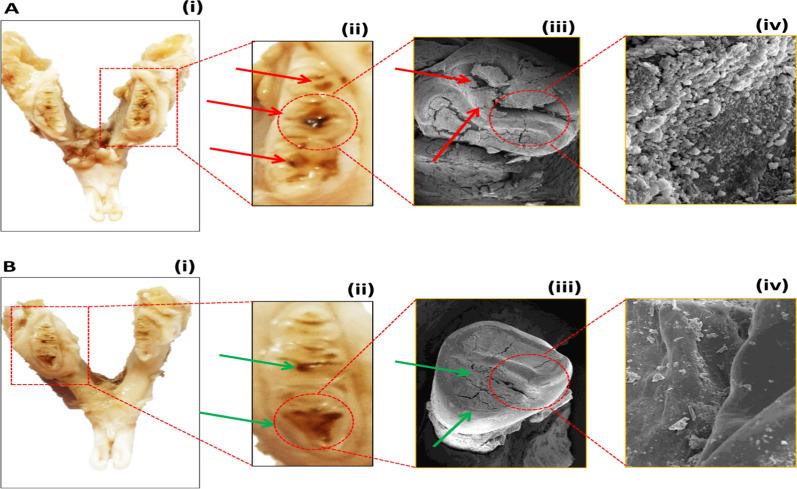
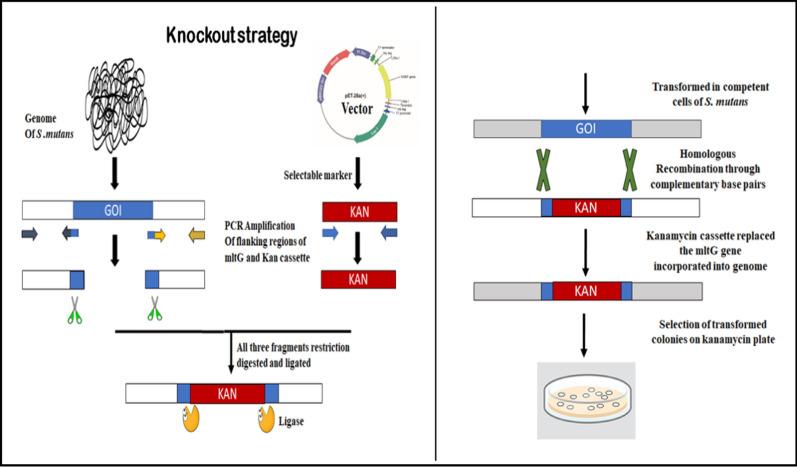
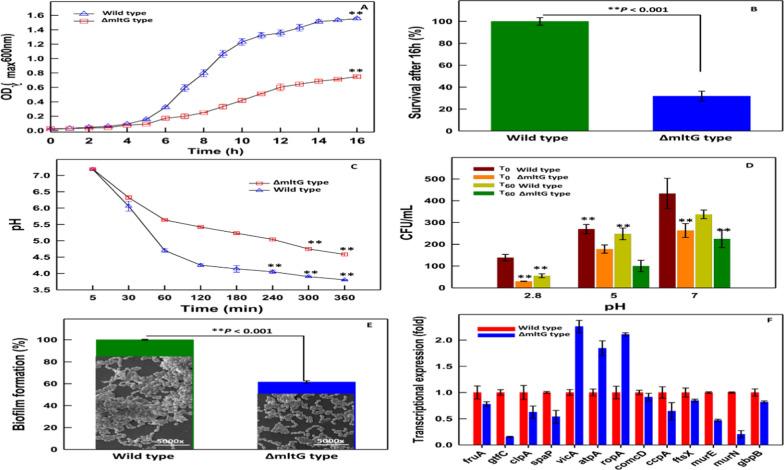
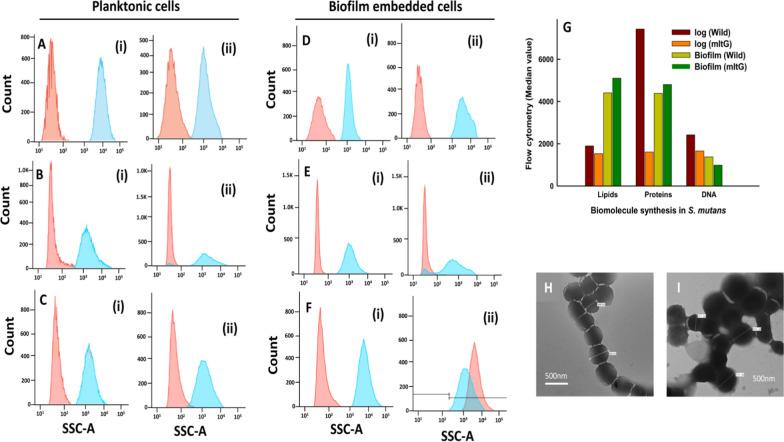
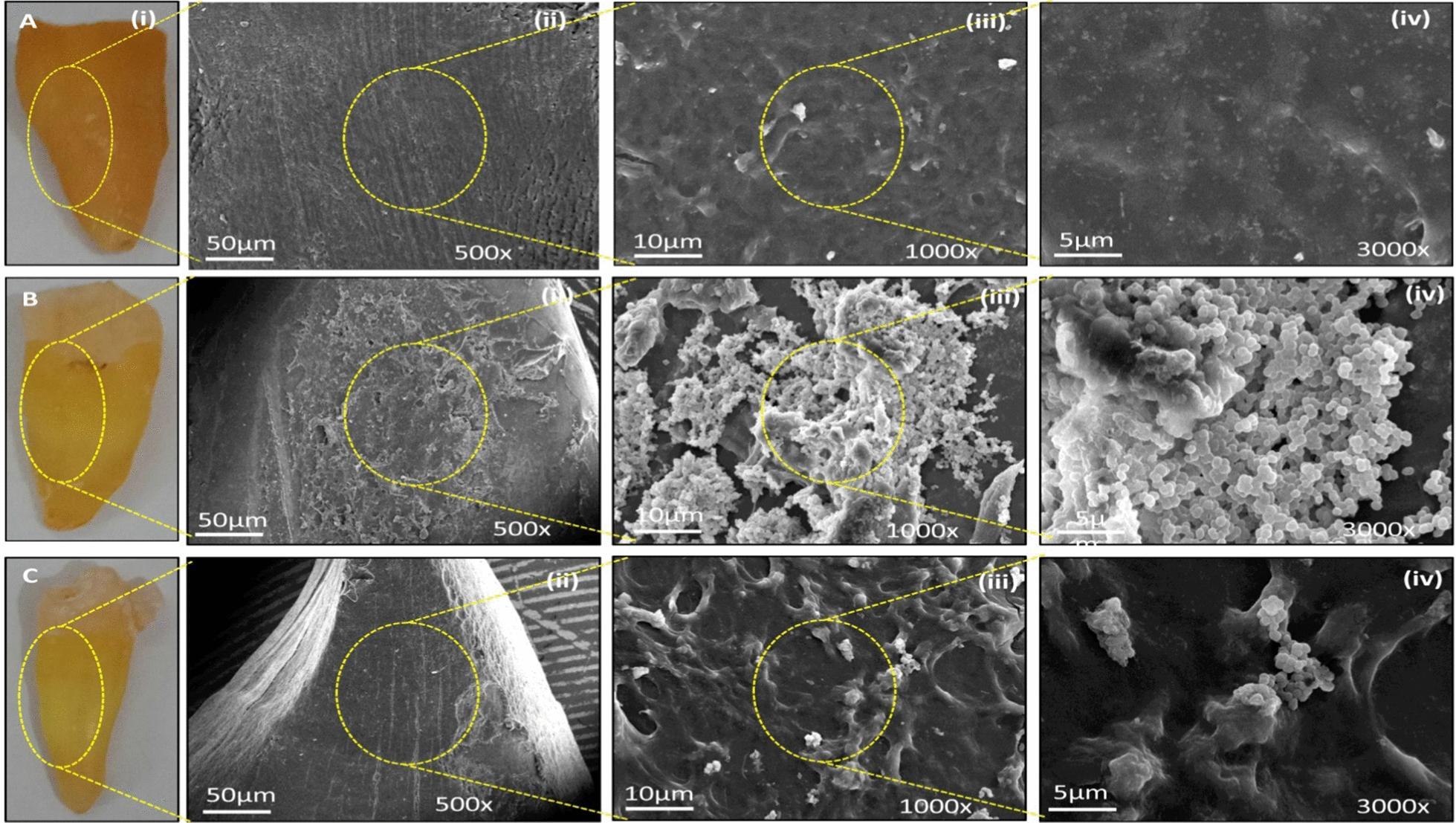
Bacterial cells are surrounded by a peptidoglycan (PG) cell wall, which is essential for cell integrity and intrinsic biogenesis pathways; hence, the cell wall is a potential target for several antibiotics. Among several lytic transglycosylases (LTs), the mltG gene plays a crucial role in the synthesis of peripheral PG. It localises the re-modelled PGs for septum formation and cleavage across the bacterial cell wall during daughter cells separation. However, the role of mltG gene in bacterial virulence, particularly in Gram-positive bacteria during dentine biofilm and caries development, has remained unexplored. Hence, we exploited Gram-positive Streptococcus mutans cells for the very first time to construct a mltG knock-out bacterial strain, e.g., ΔmltG S. mutans. Systematic comparative investigations revealed that doubling time (Td), survival, enzymatic efficiencies, pH tolerance, bio-synthesise of lipid, proteins and DNA, biofilm formation and dentine lesions were significantly (p < 0.001) compromised in case of ΔmltG S. mutans than wild type strain. The qRT-PCR based gene expression profiling revealed that transcriptional expression of critically important genes involved in biofilm, metabolism, and stress response were dysregulated in the mutant. Besides, an incredible reduction in dentine caries development was found in the molar teeth of Wistar rats and also in human extracted teeth. Concisely, these trends obtained evidently advocated the fact that the deletion of mltG gene can be a potential target to impair the S. mutans virulence through severe growth retardation, thereby reducing the virulence potential of S. mutans.
细菌细胞被肽聚糖(PG)细胞壁所包围,这对于细胞完整性和内在生物合成途径至关重要;因此,细胞壁是几种抗生素的潜在靶点。在几种溶菌转糖基酶(LTs)中,mltG基因在周边PG的合成中起关键作用。它将重塑的PG定位用于隔膜形成,并在子细胞分离期间跨细菌细胞壁进行切割。然而,mltG基因在细菌毒力中的作用,特别是在牙本质生物膜和龋齿发展过程中的革兰氏阳性细菌中的作用,仍未得到探索。因此,我们首次利用革兰氏阳性变形链球菌细胞构建了mltG基因敲除菌株,即ΔmltG变形链球菌。系统的比较研究表明,与野生型菌株相比,ΔmltG变形链球菌的倍增时间(Td)、存活率、酶效率、pH耐受性、脂质、蛋白质和DNA的生物合成、生物膜形成和牙本质病变均受到显著(p < 0.001)损害。基于qRT-PCR的基因表达谱分析表明,参与生物膜、代谢和应激反应的关键重要基因的转录表达在突变体中失调。此外,在Wistar大鼠的磨牙以及人类拔除的牙齿中发现牙本质龋齿发展显著减少。简而言之,这些明显的趋势表明,mltG基因的缺失可能是通过严重生长迟缓损害变形链球菌毒力的潜在靶点,从而降低变形链球菌的毒力潜力。
 Zotero 插件