
可溶性环氧化物水解酶抑制剂 TPPU 通过抑制脊髓 NF-B 信号减轻 Nab-紫杉醇诱导的大鼠周围神经性疼痛。
Soluble Epoxide Hydrolase Inhibitor TPPU Alleviates Nab-Paclitaxel-Induced Peripheral Neuropathic Pain via Suppressing NF-B Signalling in the Spinal Cord of a Rat.
机构信息
Department of Gynaecology and Obstetrics, The Second Affiliated Hospital of Xi'an Jiaotong University, Xi'an 710004, China.
Department of Oncology, The Second Affiliated Hospital of Xi'an Jiaotong University, No. 157 Xiwu Road, Xi'an 710004, China.
出版信息
Pain Res Manag. 2023 Feb 8;2023:9058774. doi: 10.1155/2023/9058774. eCollection 2023.
OBJECTIVE
Paclitaxel-induced peripheral neuropathy (PIPN) is a debilitating and difficult-to-treat side effect of paclitaxel. Soluble epoxide hydrolase (sEH) can rapidly metabolize the endogenous anti-inflammatory mediators' epoxyeicosatrienoic acids (EETs) to dihydroxyeicosatrienoic acids. This study aimed to assess whether the sEH inhibitor N-(1-(1-oxopropy)-4-piperidinyl]-N'-(trifluoromethoxy) phenyl)-urea (TPPU) plays a critical role in PIPN of rats and provides a new target for treatment.
METHODS
A Sprague-Dawley male rat model of PIPN induced by nab-paclitaxel was established. Rats were randomly divided into a control group, nab-paclitaxel group, and nab-paclitaxel + TPPU (sEH inhibitor) group, with 36 rats in each group. The effects of the sEH inhibitor TPPU on behavioural assays, apoptosis, glial activation, axonal injury, microstructure, and permeability of the blood-spinal cord barrier were detected, and the underlying mechanisms were explored by examining the expression of NF-B signalling pathways, inflammatory cytokines, and oxidative stress.
RESULTS
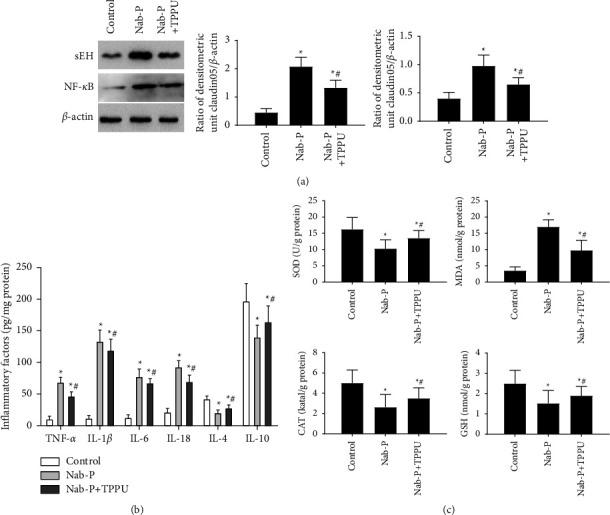
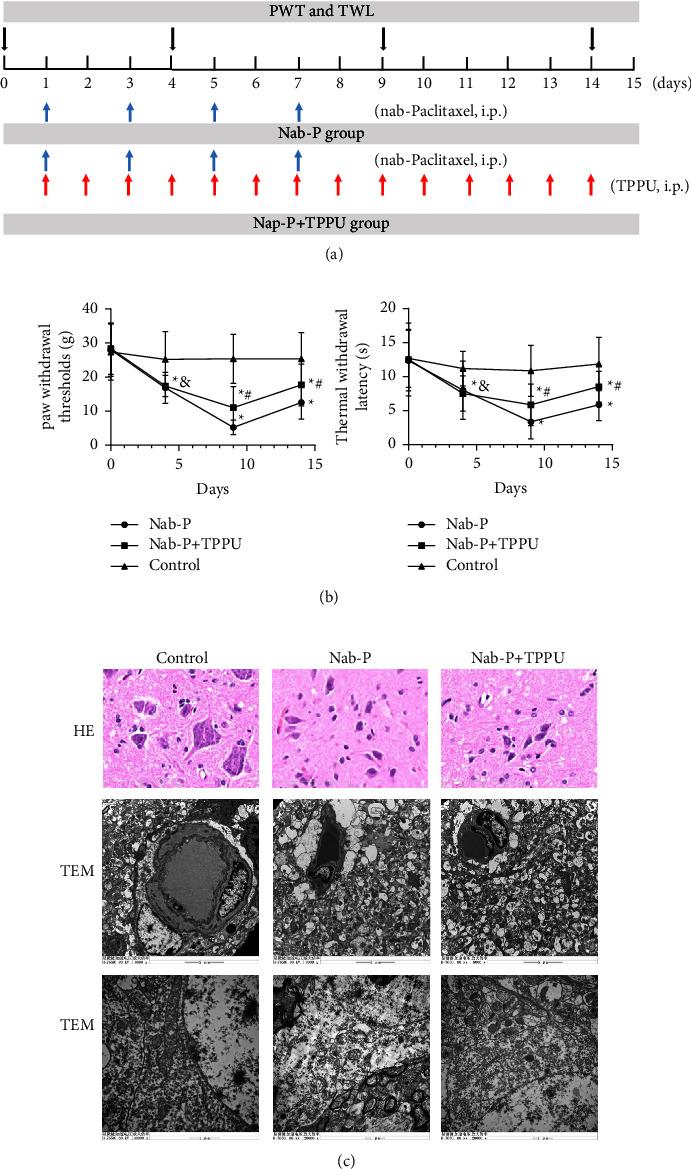
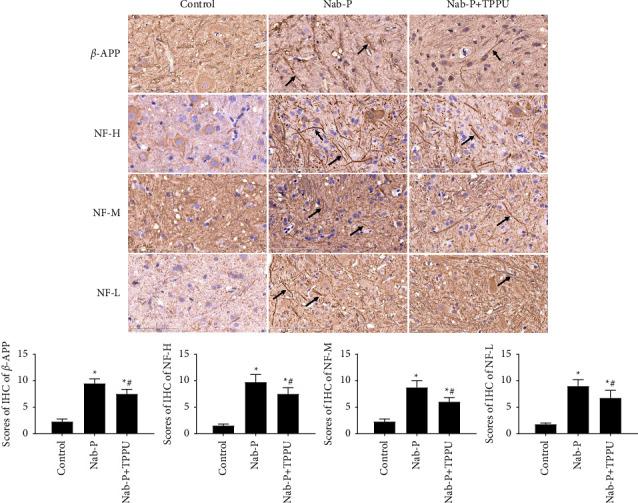
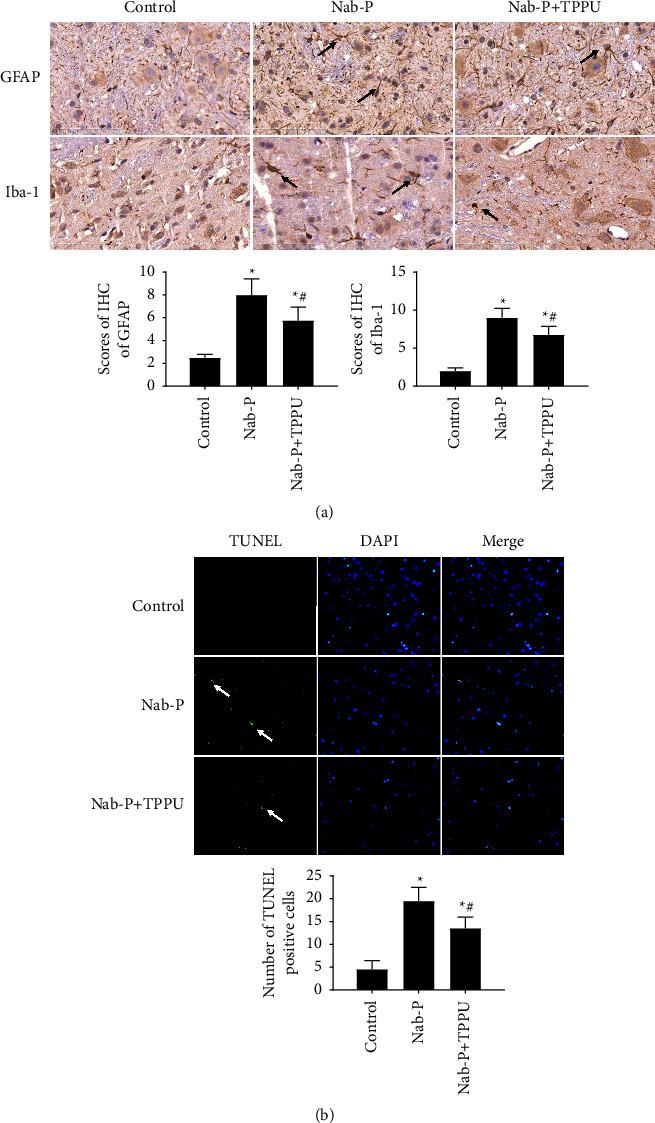
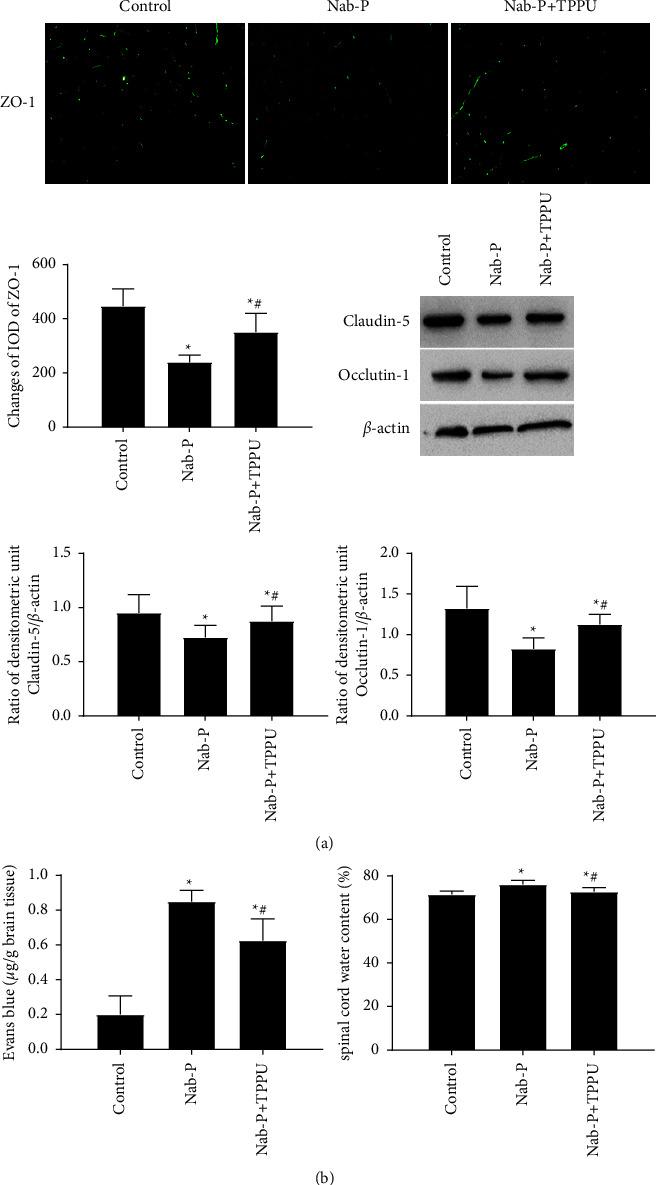
The results showed that the mechanical and thermal pain thresholds of rats were decreased after nab-paclitaxel treatment, accompanied by an increased expression of axonal injury-related proteins, enhanced cell apoptosis, aggravated destruction of vascular permeability, intense glial responses, and elevated inflammatory cytokines and oxidative stress in the L4-L6 spinal cord. TPPU restored the mechanical and thermal thresholds, decreased cell apoptosis, alleviated axonal injury and glial responses, and protected vascular permeability by increasing the expression of tight junction proteins. TPPU relieved PIPN by inhibiting the activation of the sEH and NF-B signalling pathways by decreasing the levels of inflammatory cytokines and oxidative stress.
CONCLUSION
These findings support a role for sEH in PIPN and suggest that the inhibition of sEH represents a potential new therapeutic target for PIPN.
目的
紫杉醇诱导的周围神经病变(PIPN)是紫杉醇的一种使人虚弱且难以治疗的副作用。可溶性环氧化物水解酶(sEH)可以迅速代谢内源性抗炎介质环氧二十碳三烯酸(EETs)为二羟二十碳三烯酸。本研究旨在评估 sEH 抑制剂 N-(1-(1-氧代丙基)-4-哌啶基]-N'-(三氟甲氧基)苯基)-脲(TPPU)在大鼠 PIPN 中是否发挥关键作用,并为治疗提供新靶点。
方法
建立了由 nab-紫杉醇诱导的 PIPN 大鼠 Sprague-Dawley 雄性模型。大鼠随机分为对照组、nab-紫杉醇组和 nab-紫杉醇+TPPU(sEH 抑制剂)组,每组 36 只。检测 sEH 抑制剂 TPPU 对行为学测定、细胞凋亡、神经胶质细胞激活、轴突损伤、微结构和血脊髓屏障通透性的影响,并通过检测 NF-B 信号通路、炎症细胞因子和氧化应激的表达,探讨其作用机制。
结果
结果表明,nab-紫杉醇处理后大鼠机械和热痛阈值降低,轴突损伤相关蛋白表达增加,细胞凋亡增加,血管通透性破坏加重,神经胶质反应强烈,L4-L6 脊髓中炎症细胞因子和氧化应激水平升高。TPPU 通过增加紧密连接蛋白的表达,恢复机械和热阈值,减少细胞凋亡,减轻轴突损伤和神经胶质反应,保护血管通透性,从而缓解 PIPN。TPPU 通过降低炎症细胞因子和氧化应激水平抑制 sEH 和 NF-B 信号通路的激活,缓解 PIPN。
结论
这些发现支持 sEH 在 PIPN 中的作用,并表明抑制 sEH 可能成为 PIPN 的一种新的潜在治疗靶点。
 Zotero 插件