
没有经过验证的预测模型这种东西。
There is no such thing as a validated prediction model.
机构信息
Department of Development and Regeneration, KU Leuven, Leuven, Belgium.
EPI-Center, KU Leuven, Leuven, Belgium.
出版信息
BMC Med. 2023 Feb 24;21(1):70. doi: 10.1186/s12916-023-02779-w.
BACKGROUND
Clinical prediction models should be validated before implementation in clinical practice. But is favorable performance at internal validation or one external validation sufficient to claim that a prediction model works well in the intended clinical context?
MAIN BODY
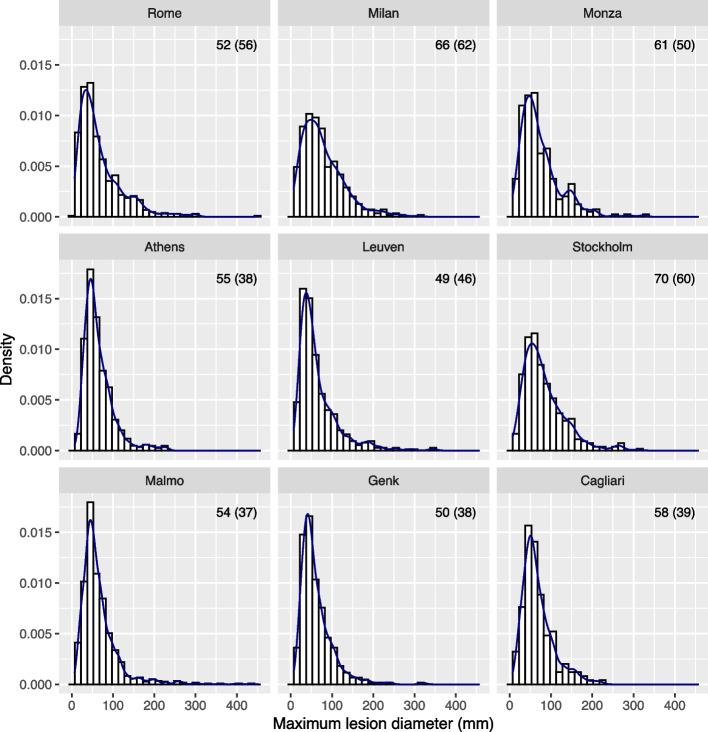
We argue to the contrary because (1) patient populations vary, (2) measurement procedures vary, and (3) populations and measurements change over time. Hence, we have to expect heterogeneity in model performance between locations and settings, and across time. It follows that prediction models are never truly validated. This does not imply that validation is not important. Rather, the current focus on developing new models should shift to a focus on more extensive, well-conducted, and well-reported validation studies of promising models.
CONCLUSION
Principled validation strategies are needed to understand and quantify heterogeneity, monitor performance over time, and update prediction models when appropriate. Such strategies will help to ensure that prediction models stay up-to-date and safe to support clinical decision-making.
背景
临床预测模型在实际应用于临床实践之前应进行验证。但是,内部验证或一次外部验证的良好性能是否足以说明该预测模型在预期的临床环境中表现良好?
主要内容
我们对此表示反对,因为(1)患者人群不同,(2)测量程序不同,(3)人群和测量随时间而变化。因此,我们必须预计模型在不同地点和环境之间以及随时间推移的性能存在异质性。这意味着预测模型永远不会真正得到验证。这并不意味着验证不重要。相反,目前应该将重点从开发新模型转移到对有前途的模型进行更广泛、更严谨和更有报道的验证研究上。
结论
需要有原则性的验证策略来理解和量化异质性、监测随时间推移的性能,并在适当的时候更新预测模型。这些策略将有助于确保预测模型保持最新状态,并安全地支持临床决策。

 Zotero 插件