
微小RNA-21由缺氧诱导并在前列腺癌中下调。
MiR-21 Is Induced by Hypoxia and Down-Regulates in Prostate Cancer.
作者信息
Angel Charlotte Zoe, Stafford Mei Yu Cynthia, McNally Christopher J, Nesbitt Heather, McKenna Declan J
机构信息
Genomic Medicine Research Group, Ulster University, Cromore Road, Coleraine BT52 1SA, UK.
Patrick G Johnston Centre for Cancer Research, Queen's University Belfast, Belfast BT9 7AE, UK.
出版信息
Cancers (Basel). 2023 Feb 17;15(4):1291. doi: 10.3390/cancers15041291.
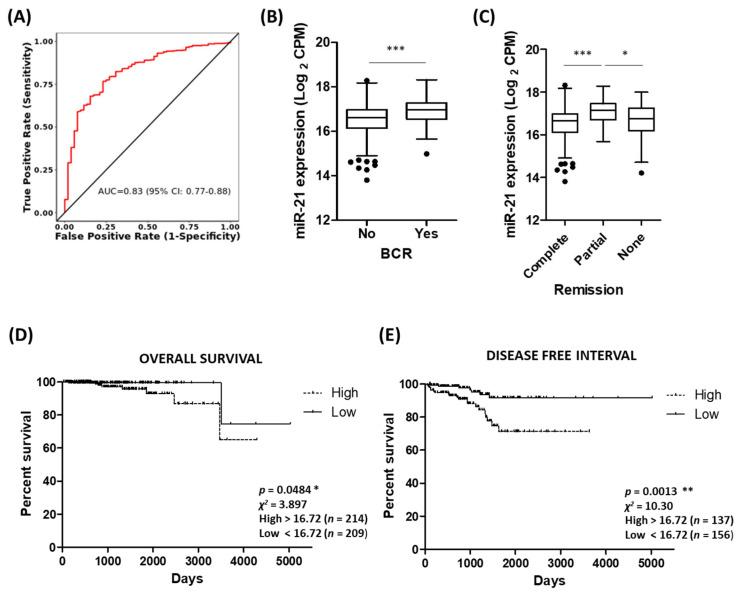
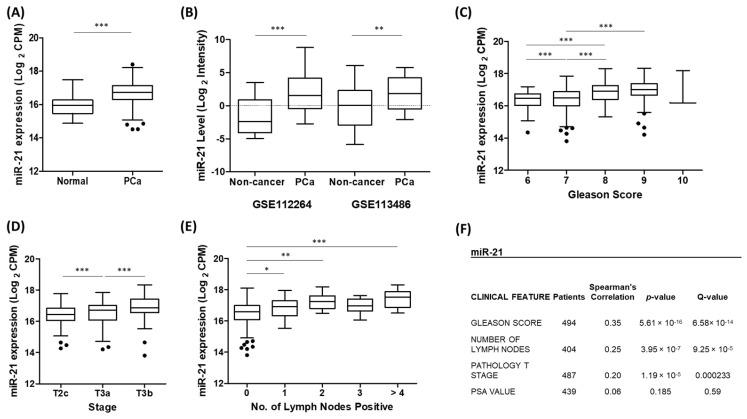
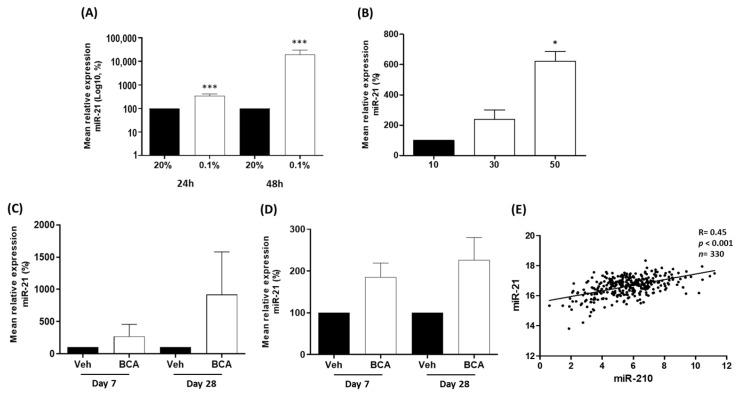
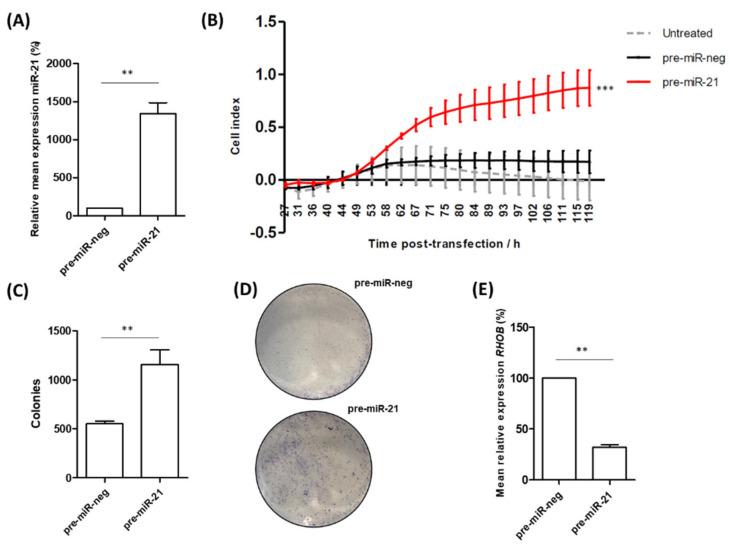
Tumour hypoxia is a well-established contributor to prostate cancer progression and is also known to alter the expression of several microRNAs. The over-expression of microRNA-21 (miR-21) has been consistently linked with many cancers, but its role in the hypoxic prostate tumour environment has not been well studied. In this paper, the link between hypoxia and miR-21 in prostate cancer is investigated. A bioinformatic analysis of The Cancer Genome Atlas (TCGA) prostate biopsy datasets shows the up-regulation of miR-21 is significantly associated with prostate cancer and clinical markers of disease progression. This up-regulation of miR-21 expression was shown to be caused by hypoxia in the LNCaP prostate cancer cell line in vitro and in an in vivo prostate tumour xenograft model. A functional enrichment analysis also revealed a significant association of miR-21 and its target genes with processes related to cellular hypoxia. The over-expression of miR-21 increased the migration and colony-forming ability of RWPE-1 normal prostate cells. In vitro and in silico analyses demonstrated that miR-21 down-regulates the tumour suppressor gene Ras Homolog Family Member B () in prostate cancer. Further a TCGA analysis illustrated that miR-21 can distinguish between different patient outcomes following therapy. This study presents evidence that hypoxia is a key contributor to the over-expression of miR-21 in prostate tumours, which can subsequently promote prostate cancer progression by suppressing expression. We propose that miR-21 has good potential as a clinically useful diagnostic and prognostic biomarker of hypoxia and prostate cancer.
肿瘤缺氧是前列腺癌进展的一个公认因素,并且已知它会改变几种微小RNA的表达。微小RNA-21(miR-21)的过表达一直与多种癌症相关,但它在缺氧前列腺肿瘤环境中的作用尚未得到充分研究。在本文中,我们研究了前列腺癌中缺氧与miR-21之间的联系。对癌症基因组图谱(TCGA)前列腺活检数据集的生物信息学分析表明,miR-21的上调与前列腺癌及疾病进展的临床标志物显著相关。在体外LNCaP前列腺癌细胞系和体内前列腺肿瘤异种移植模型中,miR-21表达的上调被证明是由缺氧引起的。功能富集分析还揭示了miR-21及其靶基因与细胞缺氧相关过程之间存在显著关联。miR-21的过表达增加了RWPE-1正常前列腺细胞的迁移和集落形成能力。体外和计算机分析表明,miR-21在前列腺癌中下调肿瘤抑制基因Ras同源家族成员B()。此外,一项TCGA分析表明,miR-21可以区分治疗后不同的患者预后。本研究提供的证据表明,缺氧是前列腺肿瘤中miR-21过表达的关键因素,miR-21随后可通过抑制表达促进前列腺癌进展。我们认为,miR-21作为缺氧和前列腺癌临床上有用的诊断和预后生物标志物具有很大潜力。

 Zotero 插件