
患有癌症、艾滋病毒或实体器官移植的免疫功能低下个体中的SARS-CoV-2特异性T细胞反应。
SARS-CoV-2-Specific T Cell Responses in Immunocompromised Individuals with Cancer, HIV or Solid Organ Transplants.
作者信息
Reeg David B, Hofmann Maike, Neumann-Haefelin Christoph, Thimme Robert, Luxenburger Hendrik
机构信息
Department of Medicine II (Gastroenterology, Hepatology, Endocrinology and Infectious Diseases), Freiburg University Medical Center, Faculty of Medicine, University of Freiburg, 79106 Freiburg, Germany.
出版信息
Pathogens. 2023 Feb 3;12(2):244. doi: 10.3390/pathogens12020244.
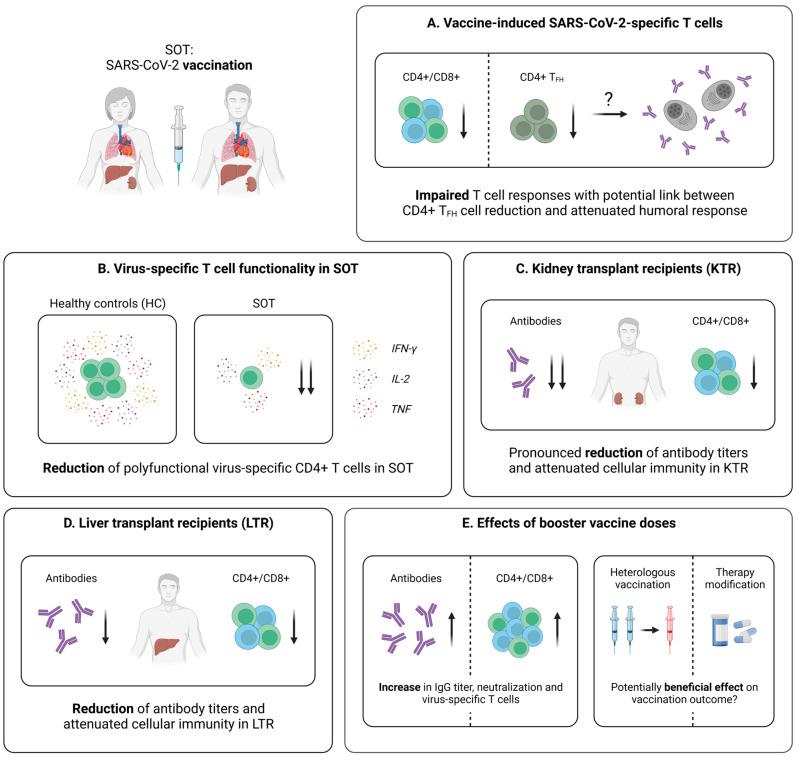
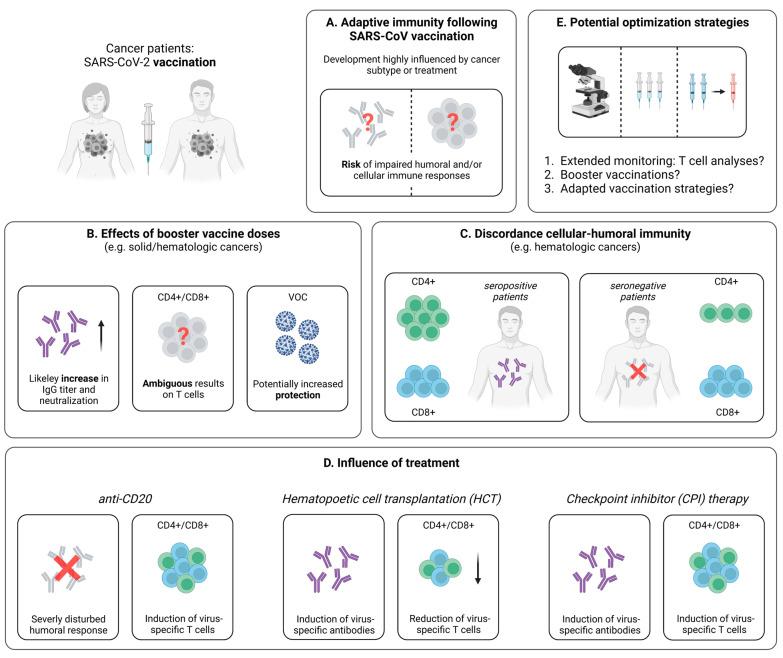
Adaptive immune responses play an important role in the clinical course of SARS-CoV-2 infection. While evaluations of the virus-specific defense often focus on the humoral response, cellular immunity is crucial for the successful control of infection, with the early development of cytotoxic T cells being linked to efficient viral clearance. Vaccination against SARS-CoV-2 induces both CD4+ and CD8+ T cell responses and permits protection from severe COVID-19, including infection with the currently circulating variants of concern. Nevertheless, in immunocompromised individuals, first data imply significantly impaired SARS-CoV-2-specific immune responses after both natural infection and vaccination. Hence, these high-risk groups require particular consideration, not only in routine clinical practice, but also in the development of future vaccination strategies. In order to assist physicians in the guidance of immunocompromised patients, concerning the management of infection or the benefit of (booster) vaccinations, this review aims to provide a concise overview of the current knowledge about SARS-CoV-2-specific cellular immune responses in the vulnerable cohorts of cancer patients, people living with HIV (PLWH), and solid organ transplant recipients (SOT). Recent findings regarding the virus-specific cellular immunity in these differently immunocompromised populations might influence clinical decision-making in the future.
适应性免疫反应在新型冠状病毒2(SARS-CoV-2)感染的临床病程中发挥重要作用。虽然对病毒特异性防御的评估通常侧重于体液反应,但细胞免疫对于成功控制感染至关重要,细胞毒性T细胞的早期发育与有效的病毒清除相关。接种SARS-CoV-2疫苗可诱导CD4+和CD8+T细胞反应,并能预防严重的冠状病毒病2019(COVID-19),包括预防感染目前正在传播的值得关注的变异株。然而,在免疫功能低下的个体中,初步数据表明,自然感染和接种疫苗后,SARS-CoV-2特异性免疫反应均显著受损。因此,这些高危人群不仅在常规临床实践中,而且在未来疫苗接种策略的制定中都需要特别考虑。为了帮助医生指导免疫功能低下患者,涉及感染管理或(加强)疫苗接种的益处,本综述旨在简要概述目前关于癌症患者、人类免疫缺陷病毒(HIV)感染者(PLWH)和实体器官移植受者(SOT)等脆弱人群中SARS-CoV-2特异性细胞免疫反应的知识。最近关于这些不同免疫功能低下人群中病毒特异性细胞免疫的研究结果可能会影响未来的临床决策。



 Zotero 插件