
基于人群模型的贝利尤单抗治疗系统性红斑狼疮后记忆 B 细胞反应分析。
Population model-based analysis of the memory B-cell response following belimumab therapy in the treatment of systemic lupus erythematosus.
机构信息
GSK, Clinical Pharmacology Modelling and Simulation, Stevenage, UK.
Metrum Research Group, Tariffville, Connecticut, USA.
出版信息
CPT Pharmacometrics Syst Pharmacol. 2023 Apr;12(4):462-473. doi: 10.1002/psp4.12919. Epub 2023 Feb 27.
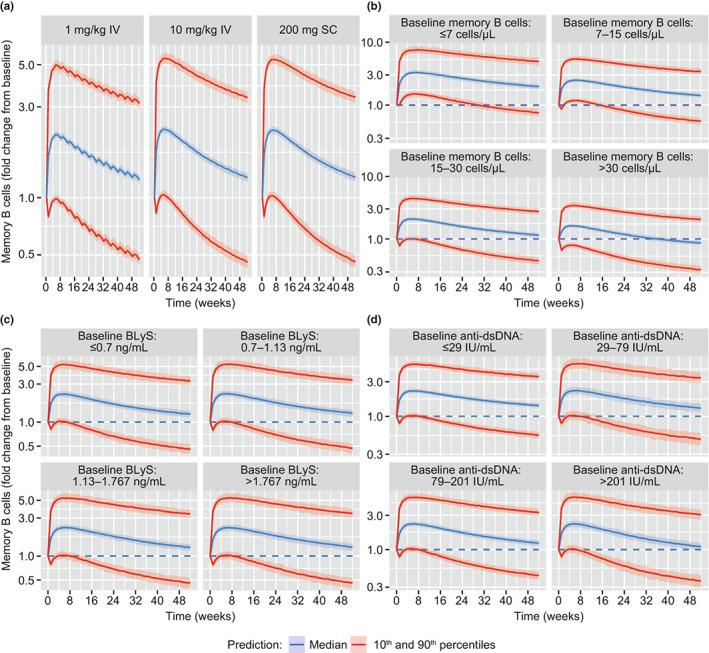
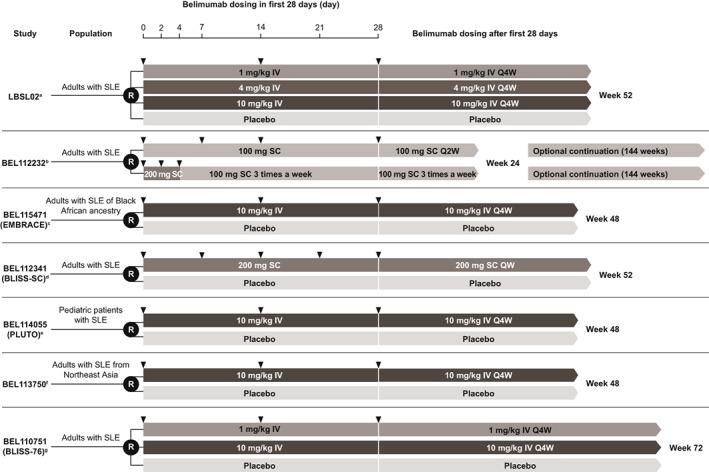
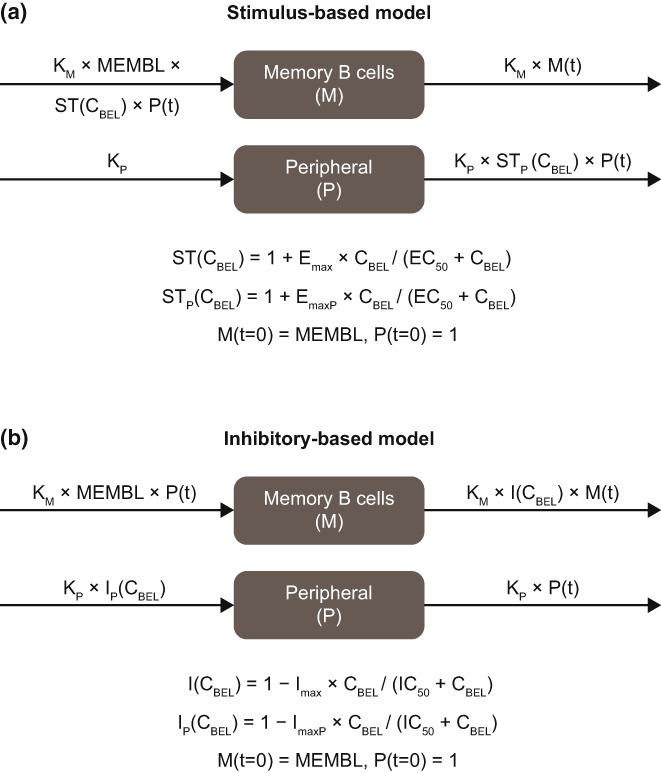
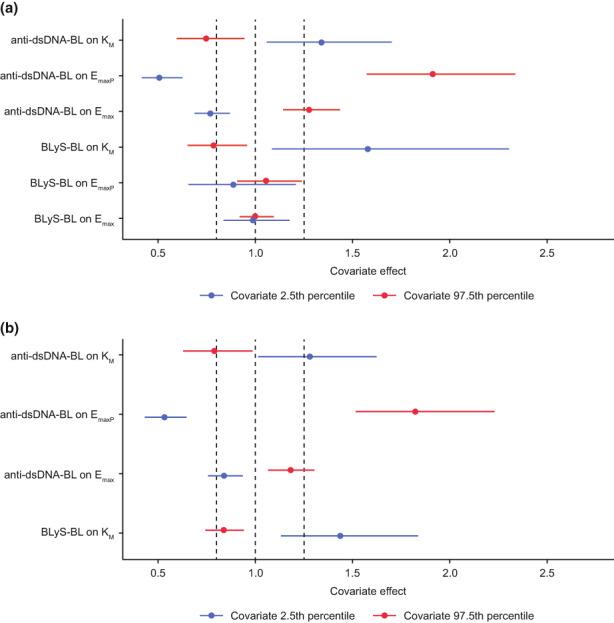
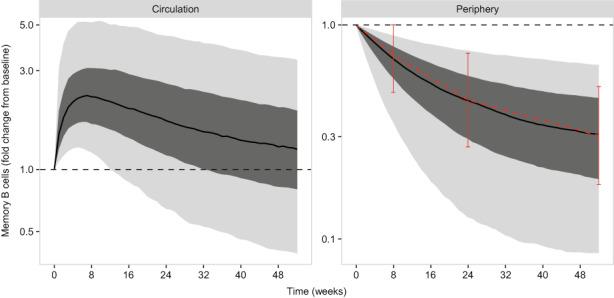
Systemic lupus erythematosus (SLE) is an autoimmune disease characterized by B-cell hyperactivity and breach of tolerance. Autoreactive memory B cells, which have a decreased activation threshold and the ability to survive in absence of antigen, are believed to contribute to chronicity in autoimmune diseases like SLE. Belimumab, the first approved biological treatment of active SLE and lupus nephritis, reduces B cells dependent on B-lymphocyte stimulator protein (BLyS) for survival, whereas memory B cells are spared; several studies reported circulating memory B-cell concentrations increase following BLyS neutralization. This analysis investigated the effect of dose, demographics, and disease status on memory B-cell response after starting belimumab treatment. Population pharmacodynamic models were fitted to a pooled dataset from seven belimumab SLE trials. The optimal model was selected using maximum likelihood methods and was then refit to the data using Bayesian analysis and used to simulate memory B-cell response by belimumab dose and covariate subgroups. At the belimumab approved doses (10 mg/kg intravenously every 4 weeks, 200 mg subcutaneously every week), circulatory memory B cells increase in the first 4-8 weeks after belimumab initiation, typically returning to baseline levels over 76 weeks. The model analysis suggested belimumab stimulates memory B-cell transition from lymphoid and/or inflamed tissues into the circulation, rather than inhibiting trafficking in the reverse direction. Baseline BLyS and anti-double-stranded deoxyribonucleic acid antibody concentrations were statistically identifiable covariates of memory B-cell response, although their impact on predicting size and response duration was small.
系统性红斑狼疮(SLE)是一种自身免疫性疾病,其特征为 B 细胞过度活跃和耐受丧失。人们认为,自身反应性记忆 B 细胞具有降低的激活阈值和在没有抗原的情况下存活的能力,这有助于像 SLE 这样的自身免疫性疾病的慢性化。贝利尤单抗是第一种获批用于治疗活跃型系统性红斑狼疮和狼疮性肾炎的生物制剂,可减少依赖 B 淋巴细胞刺激蛋白(BLyS)存活的 B 细胞,而记忆 B 细胞则幸免;几项研究报告称,在 BLyS 中和后,循环记忆 B 细胞浓度增加。本分析研究了剂量、人口统计学和疾病状态对开始贝利尤单抗治疗后记忆 B 细胞反应的影响。采用最大似然法对来自 7 项贝利尤单抗治疗系统性红斑狼疮试验的汇总数据集进行群体药代动力学模型拟合。然后,使用贝叶斯分析对最优模型进行重新拟合,并用于模拟贝利尤单抗剂量和协变量亚组对记忆 B 细胞的反应。在贝利尤单抗批准的剂量(静脉注射 10mg/kg,每 4 周 1 次;皮下注射 200mg,每周 1 次)下,在开始贝利尤单抗治疗后的 4-8 周内,循环中的记忆 B 细胞增加,通常在 76 周内恢复到基线水平。模型分析表明,贝利尤单抗刺激记忆 B 细胞从淋巴样和/或炎症组织转移到循环中,而不是抑制反向迁移。基线 BLyS 和抗双链脱氧核糖核酸抗体浓度是记忆 B 细胞反应的统计学上可识别的协变量,尽管它们对预测大小和反应持续时间的影响较小。
 Zotero 插件