
植物源生物活性分子在登革热媒介(Linn.)管理中的应用。
Bioactive Molecules Derived from Plants in Managing Dengue Vector (Linn.).
机构信息
Department of Biotechnology, St. Peter's Institute of Higher Education Research, Chennai 600077, India.
Department of Bioinformatics, Saveetha School of Engineering, Saveetha Institute of Medical 17 and Technical Sciences (SIMATS), Chennai 602105, India.
出版信息
Molecules. 2023 Mar 5;28(5):2386. doi: 10.3390/molecules28052386.
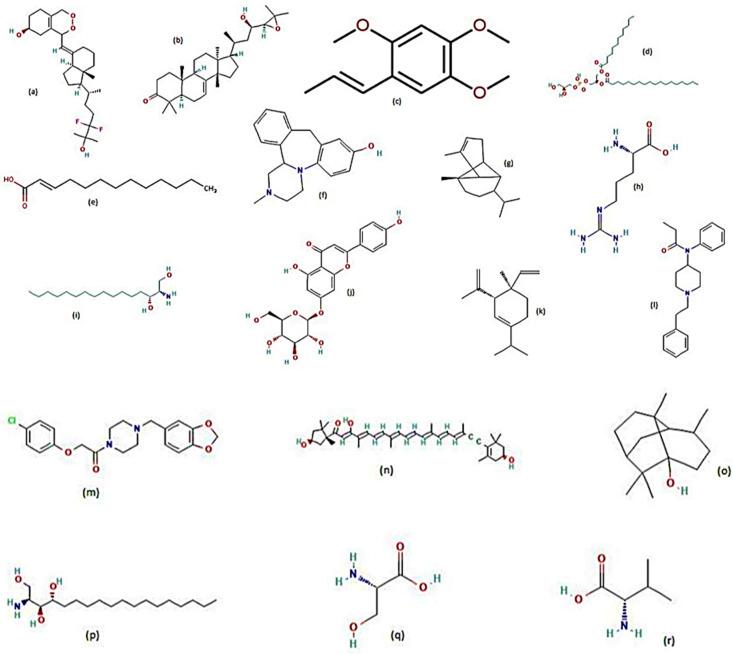
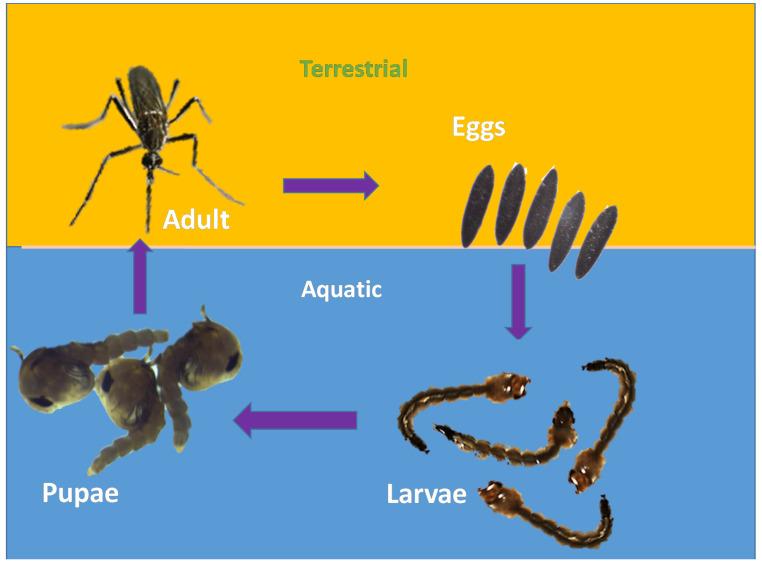
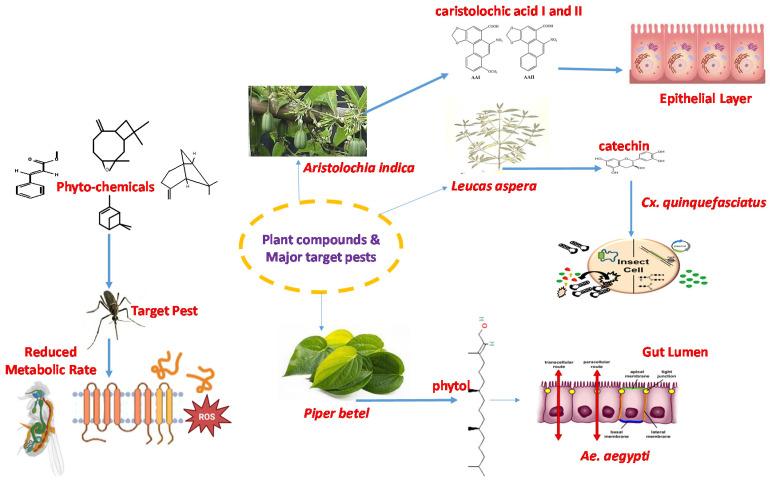
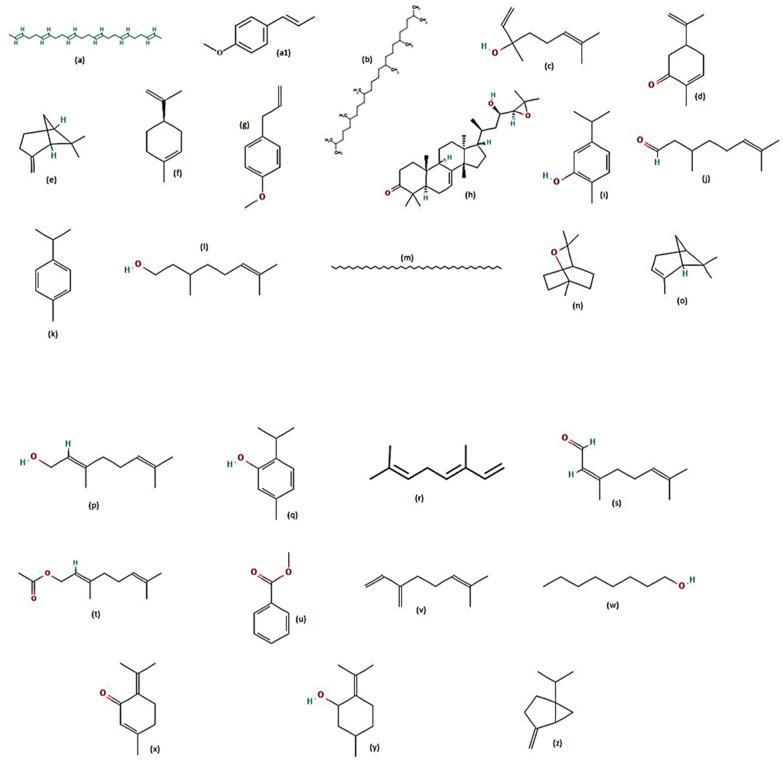
Mosquitoes are the potential vectors of several viral diseases such as filariasis, malaria, dengue, yellow fever, Zika fever and encephalitis in humans as well as other species. Dengue, the most common mosquito-borne disease in humans caused by the dengue virus is transmitted by the vector . Fever, chills, nausea and neurological disorders are the frequent symptoms of Zika and dengue. Thanks to various anthropogenic activities such as deforestation, industrialized farming and poor drainage facilities there has been a significant rise in mosquitoes and vector-borne diseases. Control measures such as the destruction of mosquito breeding places, a reduction in global warming, as well as the use of natural and chemical repellents, mainly DEET, picaridin, temephos and IR-3535 have proven to be effective in many instances. Although potent, these chemicals cause swelling, rashes, and eye irritation in adults and children, and are also toxic to the skin and nervous system. Due to their shorter protection period and harmful nature towards non-target organisms, the use of chemical repellents is greatly reduced, and more research and development is taking place in the field of plant-derived repellents, which are found to be selective, biodegradable and harmless to non-target species. Many tribal and rural communities across the world have been using plant-based extracts since ancient times for various traditional and medical purposes, and to ward off mosquitoes and various other insects. In this regard, new species of plants are being identified through ethnobotanical surveys and tested for their repellency against . This review aims to provide insight into many such plant extracts, essential oils and their metabolites, which have been tested for their mosquitocidal activity against different life cycle forms of , as well as for their efficacy in controlling mosquitoes.
蚊子是多种病毒性疾病的潜在媒介,例如丝虫病、疟疾、登革热、黄热病、寨卡热和脑炎,以及其他物种。登革热是由登革热病毒引起的最常见的人类蚊媒病,通过媒介传播。发热、寒战、恶心和神经紊乱是寨卡热和登革热的常见症状。由于各种人为活动,如森林砍伐、工业化农业和排水设施不良,蚊子和蚊媒疾病的数量显著增加。控制措施,如破坏蚊子滋生地、减少全球变暖,以及使用天然和化学驱避剂,主要是避蚊胺、派卡瑞丁、涕灭威和 IR-3535,已被证明在许多情况下是有效的。尽管这些化学物质有效,但它们会导致成年人和儿童肿胀、皮疹和眼睛刺激,对皮肤和神经系统也有毒性。由于其保护期较短,对非靶标生物有害,因此化学驱避剂的使用大大减少,植物源驱避剂的研究和开发正在进行,这些驱避剂被发现具有选择性、可生物降解性和对非靶标物种无害。世界上许多部落和农村社区自古以来就一直使用植物提取物来实现各种传统和医疗目的,并驱赶蚊子和各种其他昆虫。在这方面,正在通过民族植物学调查来识别新的植物物种,并对其针对 的驱避性进行测试。本综述旨在深入了解许多此类植物提取物、精油及其代谢物,这些提取物已针对 的不同生命周期形式进行了杀蚊活性测试,并针对其控制蚊子的功效进行了测试。


 Zotero 插件