
微流控液滴辅助构建血管支持的肿瘤用于临床前药物发现。
Microfluidic Droplet-Assisted Fabrication of Vessel-Supported Tumors for Preclinical Drug Discovery.
机构信息
Department of Bioengineering, Lehigh University, Bethlehem, Pennsylvania 18015, United States.
Department of Mechanical Engineering and Mechanics, Lehigh University, Bethlehem, Pennsylvania 18015, United States.
出版信息
ACS Appl Mater Interfaces. 2023 Mar 29;15(12):15152-15161. doi: 10.1021/acsami.2c23305. Epub 2023 Mar 15.
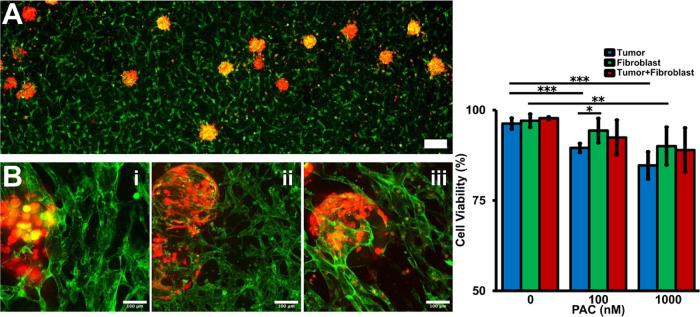
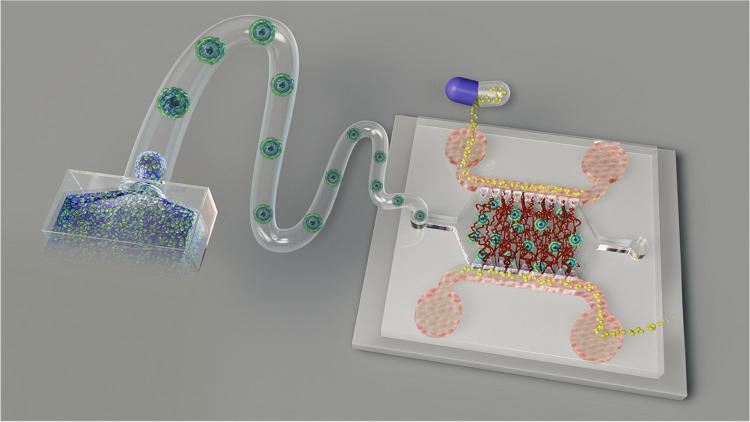
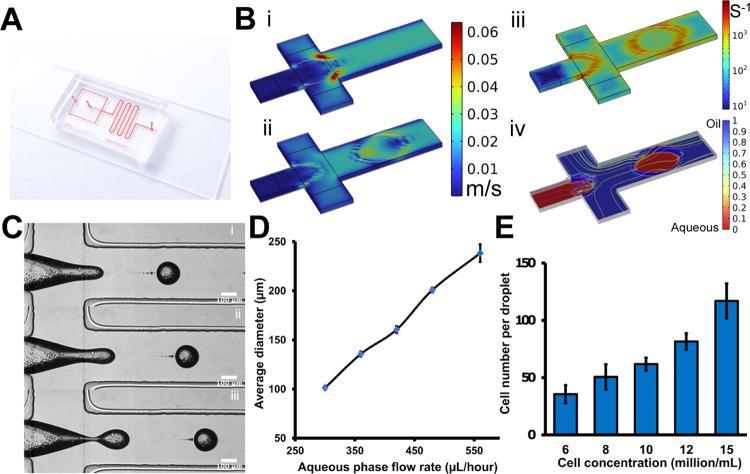
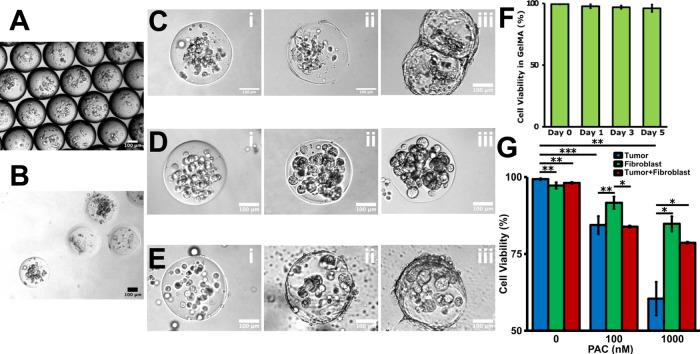
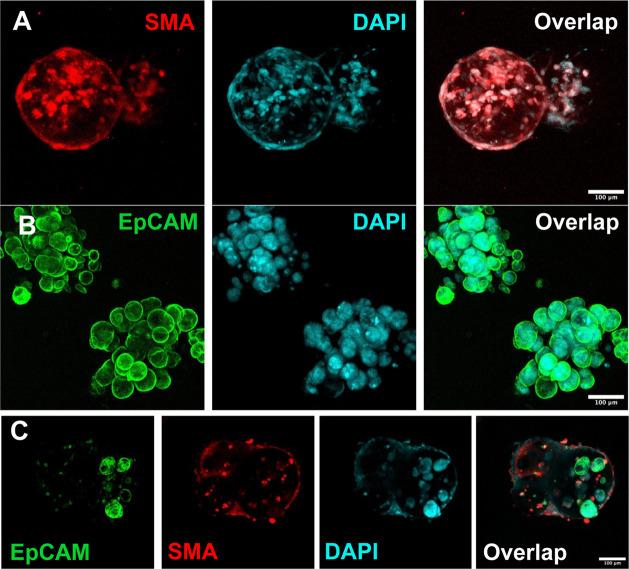
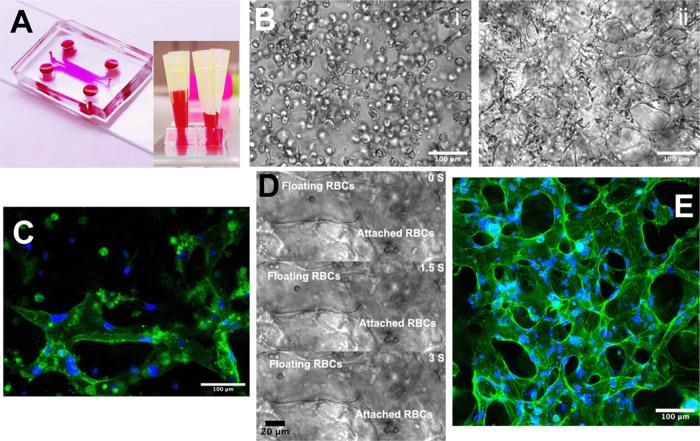
High-fidelity tumor models are important for preclinical drug discovery processes. Currently, the most commonly used model for drug testing remains the two-dimensional (2D) cell monolayer. However, the natural tumor microenvironment (TME) consists of extracellular matrix (ECM), supporting stromal cells and vasculature. They not only participate in the progression of tumors but also hinder drug delivery and effectiveness on tumor cells. Here, we report an integrated engineering system to generate vessel-supported tumors for preclinical drug screening. First, gelatin-methacryloyl (GelMA) hydrogel was selected to mimic tumor extracellular matrix (ECM). HCT-116 tumor cells were encapsulated into individual micro-GelMA beads with microfluidic droplet technique to mimic tumor-ECM interactions . Then, normal human lung fibroblasts were mingled with tumor cells to imitate the tumor-stromal interaction. The tumor cells and fibroblasts reconstituted in the individual GelMA microbead and formed a biomimetic heterotypic tumor model with a core-shell structure. Next, the cell-laden beads were consociated into a functional on-chip vessel network platform to restore the tumor-tumor microenvironment (TME) interaction. Afterward, the anticancer drug paclitaxel was tested on the individual and vessel-supported tumor models. It was demonstrated that the blood vessel-associated TME conferred significant additional drug resistance in the drug screening experiment. The reported system is expected to enable the large-scale fabrication of vessel-supported heterotypic tumor models of various cellular compositions. It is believed to be promising for the large-scale fabrication of biomimetic tumor models and may be valuable for improving the efficiency of preclinical drug discovery processes.
高保真肿瘤模型对于临床前药物发现过程至关重要。目前,用于药物测试的最常用模型仍然是二维(2D)细胞单层。然而,天然肿瘤微环境(TME)由细胞外基质(ECM)、支持性基质细胞和脉管系统组成。它们不仅参与肿瘤的进展,而且阻碍药物对肿瘤细胞的输送和有效性。在这里,我们报告了一种集成的工程系统,用于生成血管支持的肿瘤用于临床前药物筛选。首先,选择明胶甲基丙烯酰(GelMA)水凝胶来模拟肿瘤细胞外基质(ECM)。使用微流控液滴技术将 HCT-116 肿瘤细胞包封在单个微 GelMA 珠中,以模拟肿瘤-ECM 相互作用。然后,将正常的人肺成纤维细胞与肿瘤细胞混合,以模拟肿瘤-基质相互作用。肿瘤细胞和成纤维细胞在单个 GelMA 微珠中重新构成具有核壳结构的仿生异质肿瘤模型。接下来,将载细胞的珠粒组装成功能齐全的芯片上血管网络平台,以恢复肿瘤-肿瘤微环境(TME)相互作用。随后,在单个和血管支持的肿瘤模型上测试了抗癌药物紫杉醇。结果表明,血管相关的 TME 在药物筛选实验中赋予了显著的额外药物抗性。所报道的系统有望实现各种细胞组成的血管支持异质肿瘤模型的大规模制造。它有望用于大规模制造仿生肿瘤模型,并且可能有助于提高临床前药物发现过程的效率。
 Zotero 插件