
一种新型维奈克拉-泽布替尼纳米组合制剂的设计与表征,用于增强白血病细胞摄取和延长血浆暴露时间
Design and Characterization of a Novel Venetoclax-Zanubrutinib Nano-Combination for Enhancing Leukemic Cell Uptake and Long-Acting Plasma Exposure.
作者信息
Griffin James, Wu Yan, Mu Qingxin, Li Xinyan, Ho Rodney J Y
机构信息
Departments of Pharmaceutics, University of Washington, Seattle, WA 98195, USA.
Departments of Bioengineering, University of Washington, Seattle, WA 98195, USA.
出版信息
Pharmaceutics. 2023 Mar 22;15(3):1016. doi: 10.3390/pharmaceutics15031016.
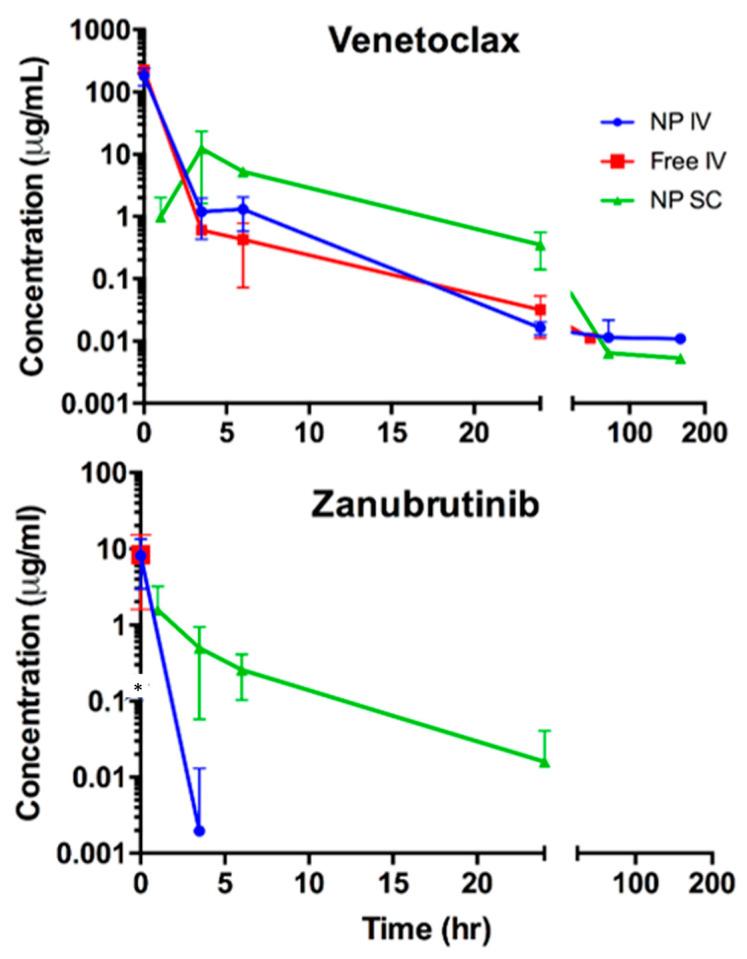
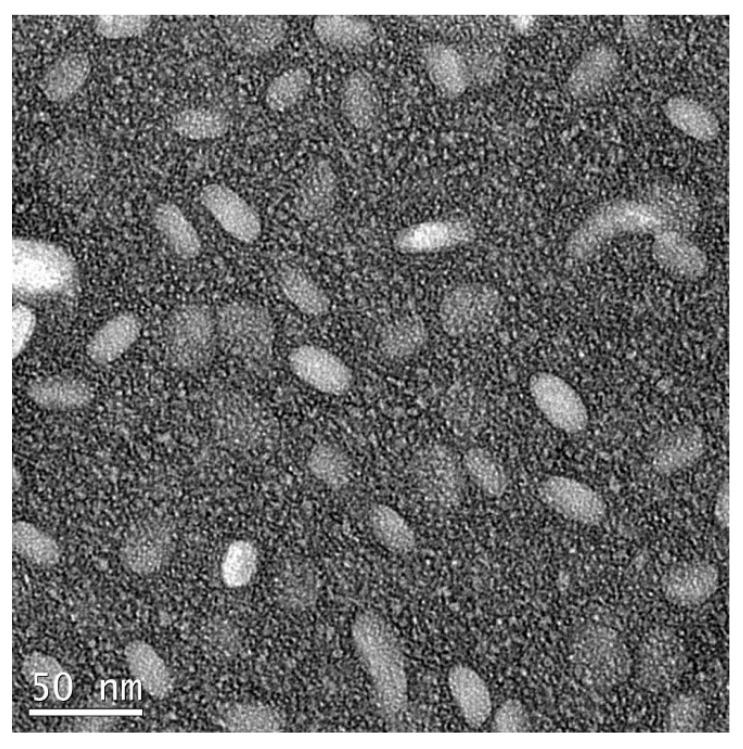
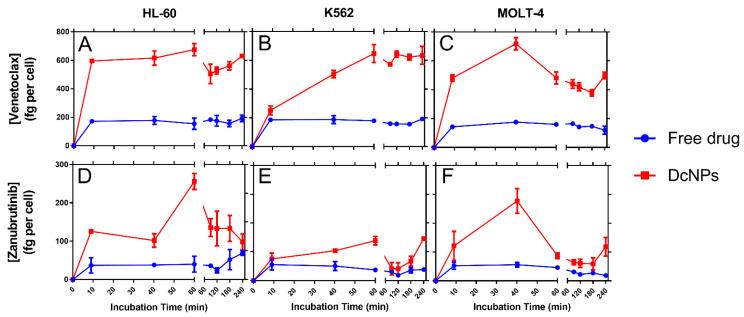
Leukemia remains incurable partly due to difficulties in reaching and maintaining therapeutic drug concentrations in the target tissues and cells. Next-generation drugs targeted to multiple cell checkpoints, including the orally active venetoclax (Bcl-2 target) and zanubrutinib (BTK target), are effective and have improved safety and tolerability compared to conventional, nontargeted chemotherapies. However, dosing with a single agent frequently leads to drug resistance; asynchronous coverage due to the peak-and-trough time-course of two or more oral drugs has prevented drug combinations from simultaneously knocking out the respective drugs' targets for sustained leukemia suppression. Higher doses of the drugs may potentially overcome asynchronous drug exposure in leukemic cells by saturating target occupancy, but higher doses often cause dose-limiting toxicities. To synchronize multiple drug target knockout, we have developed and characterized a drug combination nanoparticle (DcNP), which enables the transformation of two short-acting, orally active leukemic drugs, venetoclax and zanubrutinib, into long-acting nanoformulations (VZ-DCNPs). VZ-DCNPs exhibit synchronized and enhanced cell uptake and plasma exposure of both venetoclax and zanubrutinib. Both drugs are stabilized by lipid excipients to produce the VZ-DcNP nanoparticulate (d ~ 40 nm) product in suspension. The VZ-DcNP formulation has enhanced uptake of the two drugs (VZ) in immortalized leukemic cells (HL-60), threefold over that of its free drug counterpart. Additionally, drug-target selectivity of VZ was noted with MOLT-4 and K562 cells that overexpress each target. When given subcutaneously to mice, the half-lives of venetoclax and zanubrutinib were extended by approximately 43- and 5-fold, respectively, compared to an equivalent free VZ. Collectively, these data suggest that VZ in VZ-DcNP warrant consideration for preclinical and clinical development as a synchronized and long-acting drug-combination for the treatment of leukemia.
白血病仍然无法治愈,部分原因在于难以在靶组织和细胞中达到并维持治疗药物浓度。新一代针对多个细胞检查点的药物,包括口服活性药物维奈克拉(Bcl-2靶点)和泽布替尼(BTK靶点),与传统的非靶向化疗相比,疗效显著,安全性和耐受性也有所提高。然而,单药给药常常导致耐药;由于两种或更多口服药物的峰谷时程导致的异步覆盖,使得药物联合无法同时敲除各自药物的靶点以持续抑制白血病。更高剂量的药物可能通过饱和靶点占有率来克服白血病细胞中的异步药物暴露,但更高剂量往往会导致剂量限制性毒性。为了同步多个药物靶点敲除,我们开发并表征了一种药物组合纳米颗粒(DcNP),它能够将两种短效口服活性白血病药物维奈克拉和泽布替尼转化为长效纳米制剂(VZ-DCNPs)。VZ-DCNPs表现出维奈克拉和泽布替尼同步且增强的细胞摄取和血浆暴露。两种药物都通过脂质辅料稳定,以产生悬浮的VZ-DcNP纳米颗粒(直径约40 nm)产品。VZ-DcNP制剂在永生化白血病细胞(HL-60)中对两种药物(VZ)的摄取增强,是游离药物对应物的三倍。此外,在过表达每个靶点的MOLT-4和K562细胞中观察到了VZ的药物靶点选择性。与等量游离VZ相比,当皮下注射给小鼠时,维奈克拉和泽布替尼的半衰期分别延长了约43倍和5倍。总体而言,这些数据表明VZ-DcNP中的VZ作为一种用于治疗白血病的同步长效药物组合,值得在临床前和临床开发中予以考虑。
 Zotero 插件