
细菌性阴道炎女童的病原菌及耐药性分析
Analysis of Pathogenic Bacteria and Drug Resistance Among Girls with Bacterial Vaginitis.
作者信息
Zhang Miao, Liu Jing, Pan Yu-Chen, Liu Hui-Li, Shu Jing, Wu Xiao-Ming, Yang Yang
机构信息
Department of Pediatric Gynecology, Beijing Children's Hospital, Capital Medical University, National Center for Children's Health, Beijing, 100045, China.
出版信息
Infect Drug Resist. 2023 Mar 30;16:1849-1863. doi: 10.2147/IDR.S403304. eCollection 2023.
OBJECTIVE
The aim of this study was to analyze the prevalence of vaginal flora and drug resistance in bacterial vaginitis among girls.
METHODS
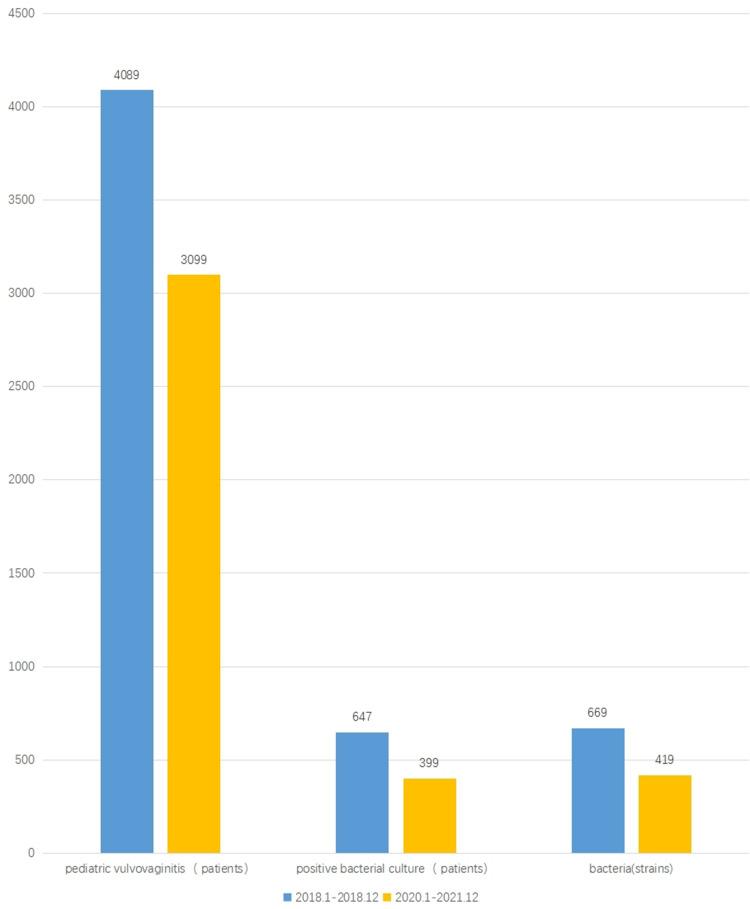
A total of 3099 girls (0-10 years old) with vaginitis who visited the Beijing Children's Hospital from January 2020 to December 2021 were included in the present study. The clinical data, results of bacterial culture of vaginal secretions, and drug sensitivity reports of the subjects were collected and analyzed.
RESULTS
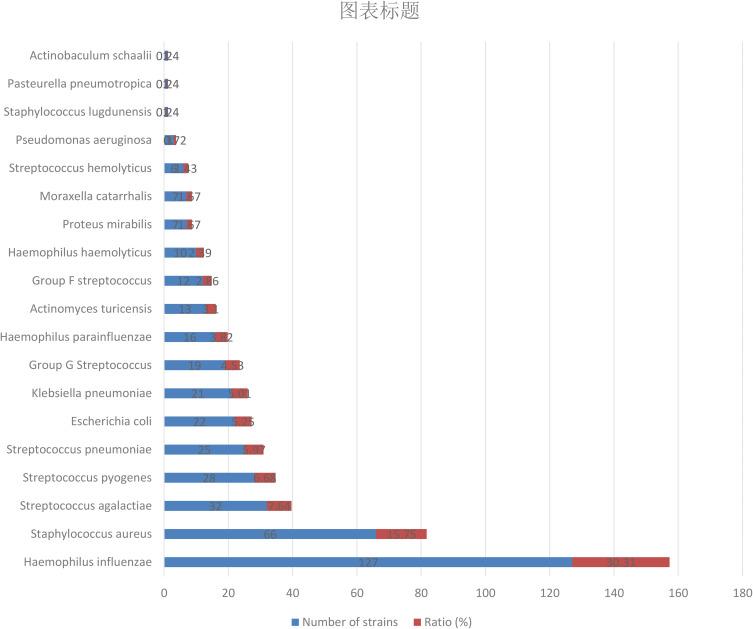
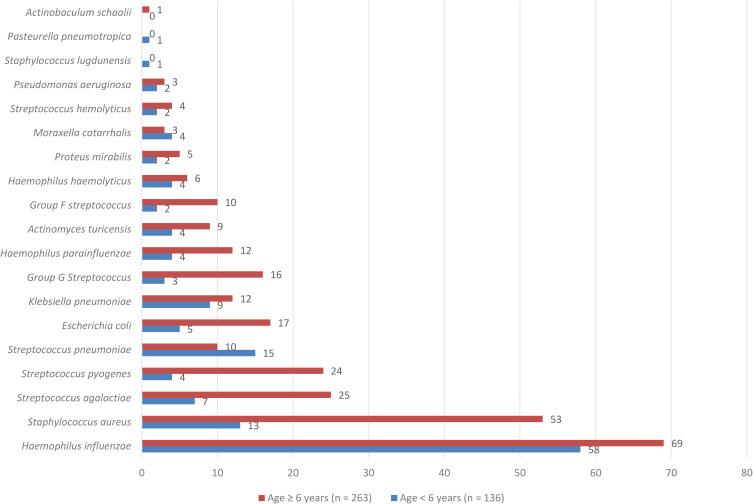
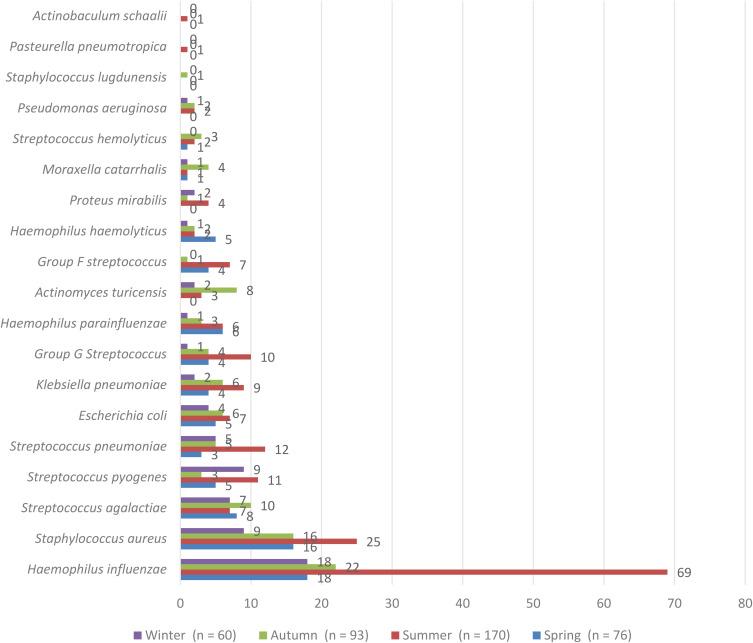
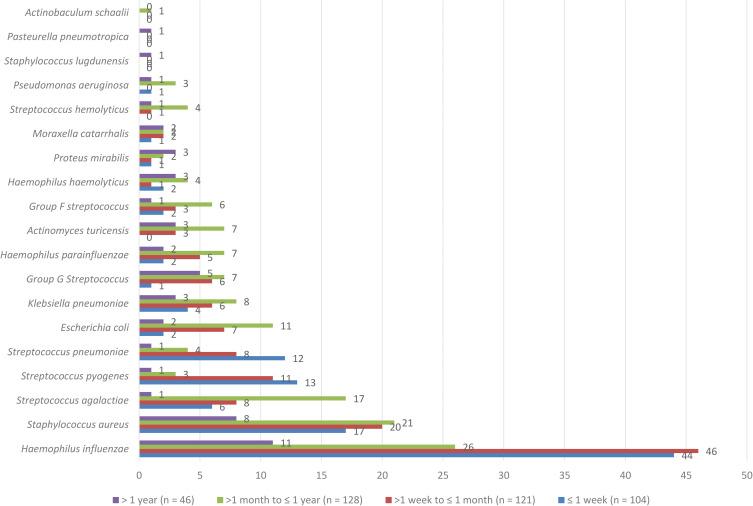
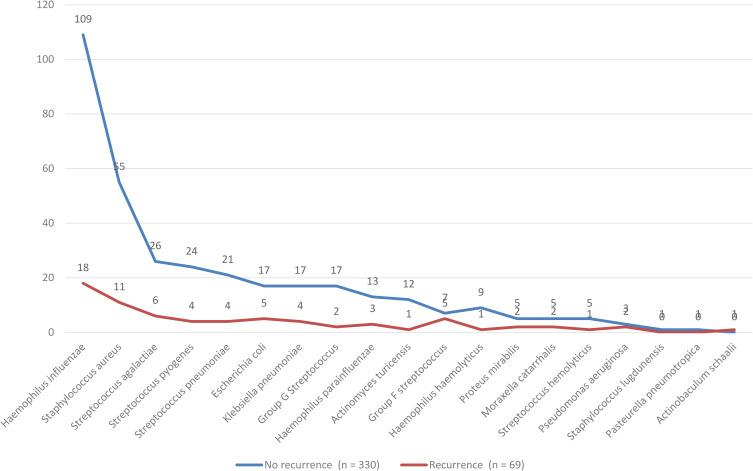
Of the 3099 girls with vaginitis, 399 girls had a positive bacterial culture of vaginal secretions. Nineteen types of bacteria were cultured from the vaginal secretions of these 399 girls, with a total of 419 strains. The top three infective bacteria were (127 strains, 30.31%), (66 strains, 15.75%), and (32 strains, 7.64%). Additionally, 20 girls were simultaneously infected with two types of bacteria. , and more frequently occurred in mixed infections. The number and bacterial detection rate among school-age girls were higher than those of preschool-age girls. We found seasonal variation in infection rates, and vaginitis among girls was higher in summer. Recurrence of vaginitis in girls was not related to the type of pathogenic bacteria in the infection. Drug sensitivity analyses showed that the resistance rates of clindamycin and erythromycin were generally high, 70-100%. After the coronavirus disease 2019 outbreak, the resistance rates of some antibiotics had decreased to varying degrees.
CONCLUSION
Improving the understanding of vaginal flora and drug resistance in girls with vaginitis will facilitate the selection of highly effective and sensitive antibacterial drugs and reduce the production of drug-resistant strains.
目的
本研究旨在分析女童细菌性阴道炎的阴道菌群流行情况及耐药性。
方法
本研究纳入了2020年1月至2021年12月期间到北京儿童医院就诊的3099例患阴道炎的女童(0 - 10岁)。收集并分析了受试者的临床资料、阴道分泌物细菌培养结果及药敏报告。
结果
在3099例患阴道炎的女童中,399例阴道分泌物细菌培养呈阳性。从这399例女童的阴道分泌物中培养出19种细菌,共419株。前三位感染菌分别为[具体细菌名称1](127株,30.31%)、[具体细菌名称2](66株,15.75%)和[具体细菌名称3](32株,7.64%)。此外,20例女童同时感染两种细菌。[具体细菌名称1]、[具体细菌名称2]和[具体细菌名称3]在混合感染中更常出现。学龄女童的感染菌数量及检出率高于学龄前女童。我们发现感染率存在季节性变化,女童阴道炎在夏季发病率较高。女童阴道炎的复发与感染的病原菌类型无关。药敏分析显示,克林霉素和红霉素的耐药率普遍较高,为70% - 100%。2019冠状病毒病疫情爆发后,部分抗生素的耐药率有不同程度下降。
结论
提高对患阴道炎女童阴道菌群及耐药性的认识,将有助于选择高效、敏感的抗菌药物,减少耐药菌株的产生。

 Zotero 插件