
转录组谱分析揭示了抗菌蛋白 AfpB 作用模式的新方面。
Transcriptomic Profile of Penicillium digitatum Reveals Novel Aspects of the Mode of Action of the Antifungal Protein AfpB.
机构信息
Department of Food Biotechnology, Instituto de Agroquímica y Tecnología de Alimentos (IATA), Consejo Superior de Investigaciones Científicas (CSIC), Paterna, Valencia, Spain.
出版信息
Microbiol Spectr. 2023 Jun 15;11(3):e0484622. doi: 10.1128/spectrum.04846-22. Epub 2023 Apr 6.
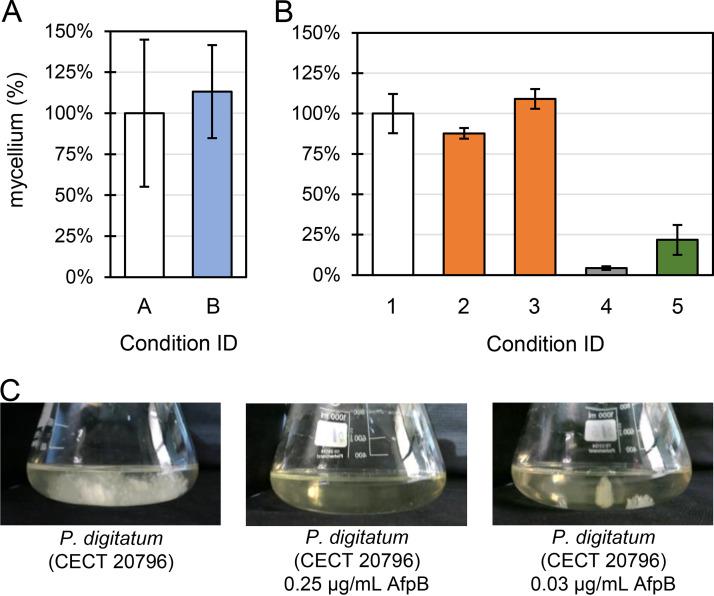
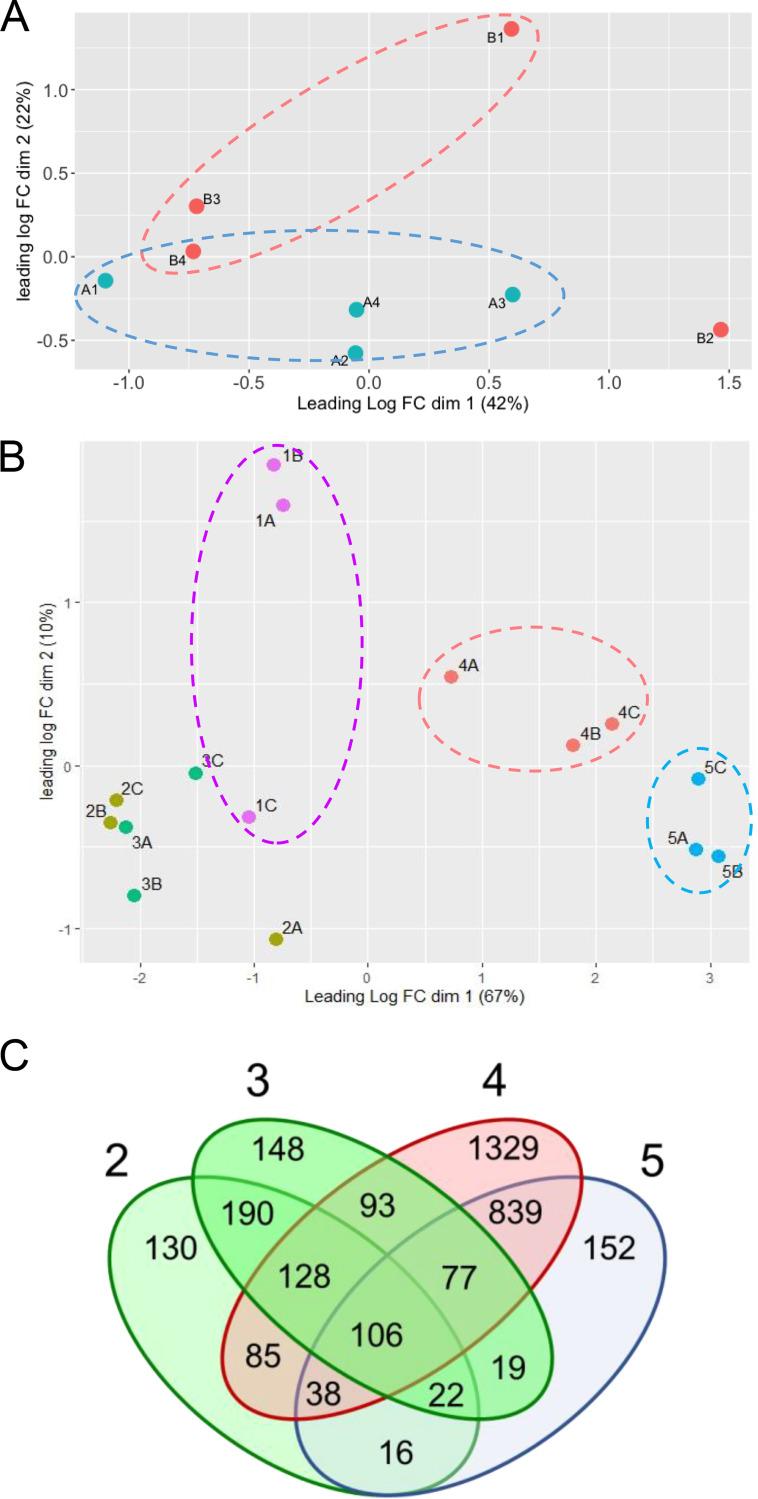
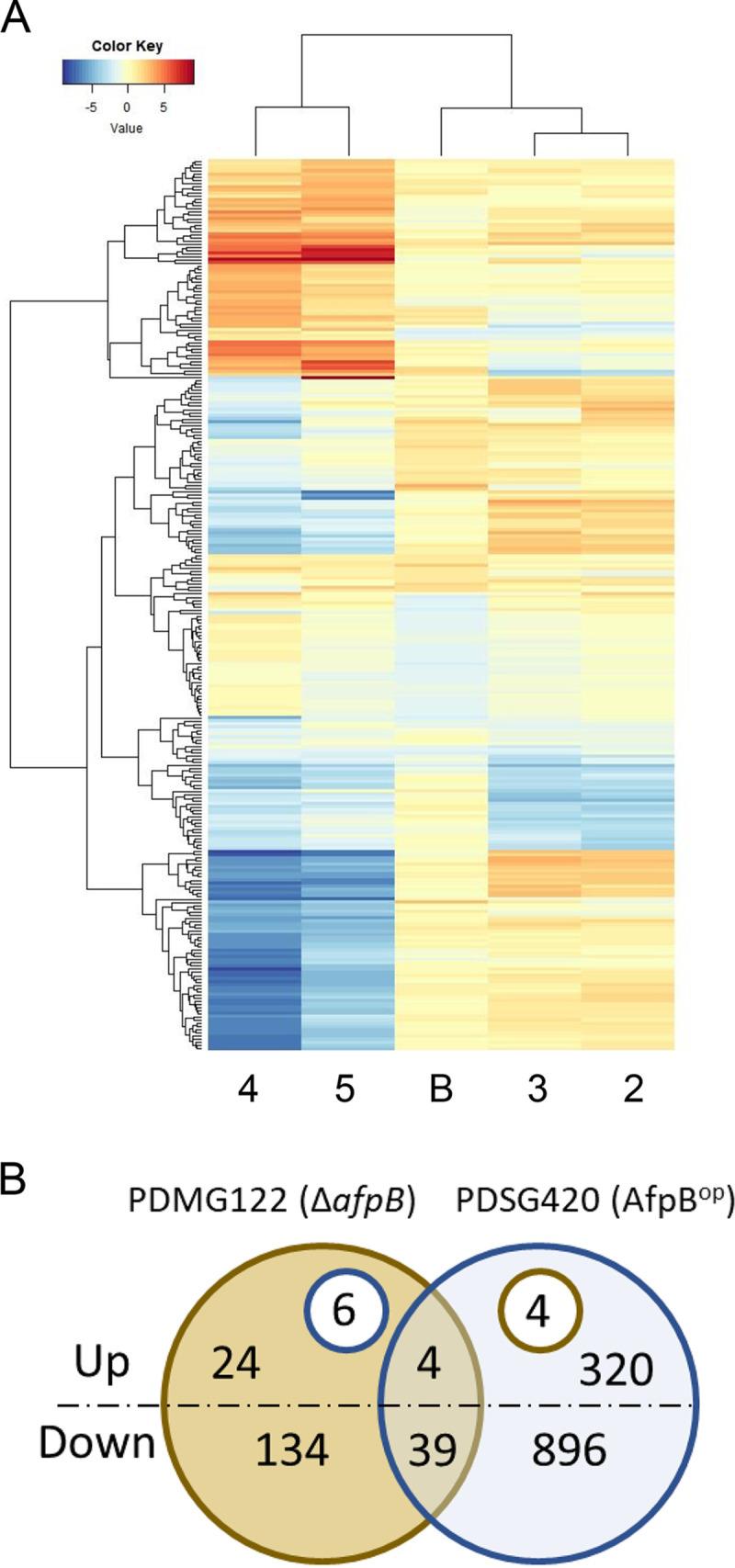
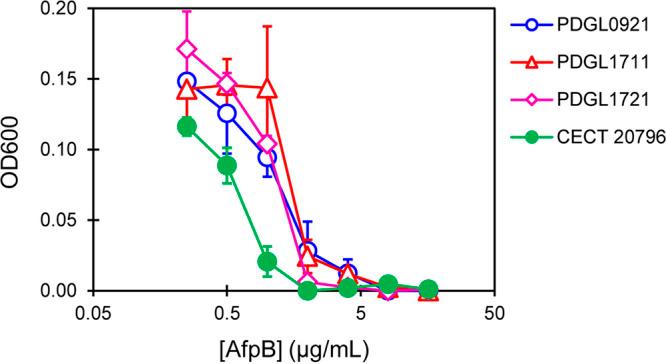
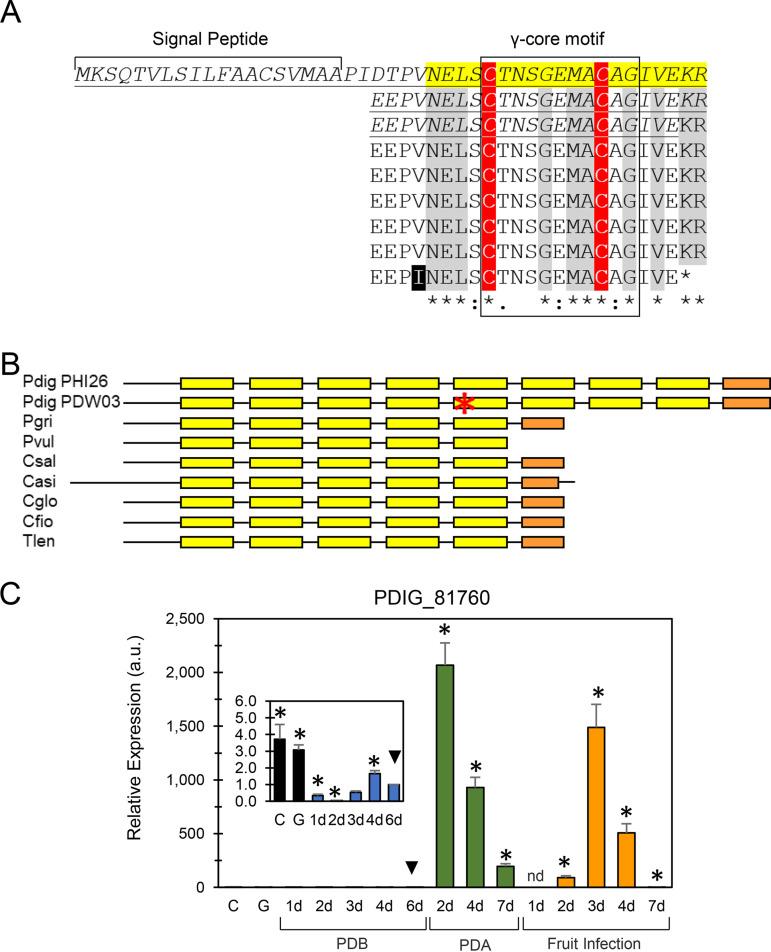
Antifungal proteins (AFPs) from filamentous fungi are promising biomolecules to control fungal pathogens. Understanding their biological role and mode of action is essential for their future application. AfpB from the citrus fruit pathogen Penicillium digitatum is highly active against fungal phytopathogens, including its native fungus. Our previous data showed that AfpB acts through a multitargeted three-stage process: interaction with the outer mannosylated cell wall, energy-dependent cell internalization, and intracellular actions that result in cell death. Here, we extend these findings by characterizing the functional role of AfpB and its interaction with P. digitatum through transcriptomic studies. For this, we compared the transcriptomic response of AfpB-treated P. digitatum wild type, a Δ mutant, and an AfpB-overproducing strain. Transcriptomic data suggest a multifaceted role for AfpB. Data from the Δ mutant suggested that the gene contributes to the overall homeostasis of the cell. Additionally, these data showed that AfpB represses toxin-encoding genes, and they suggest a link to apoptotic processes. Gene expression and knockout mutants confirmed that genes coding for acetolactate synthase (ALS) and acetolactate decarboxylase (ALD), which belong to the acetoin biosynthetic pathway, contribute to the inhibitory activity of AfpB. Moreover, a gene encoding a previously uncharacterized extracellular tandem repeat peptide (TRP) protein showed high induction in the presence of AfpB, whereas its TRP monomer enhanced AfpB activity. Overall, our study offers a rich source of information to further advance in the characterization of the multifaceted mode of action of AFPs. Fungal infections threaten human health worldwide and have a negative impact on food security, damaging crop production and causing animal diseases. At present, only a few classes of fungicides are available due to the complexity of targeting fungi without affecting plant, animal, or human hosts. Moreover, the intensive use of fungicides in agriculture has led to the development of resistance. Therefore, there is an urgent need to develop antifungal biomolecules with new modes of action to fight human-, animal-, and plant-pathogenic fungi. Fungal antifungal proteins (AFPs) offer great potential as new biofungicides to control deleterious fungi. However, current knowledge about their killing mechanism is still limited, which hampers their potential applicability. AfpB from P. digitatum is a promising molecule with potent and specific fungicidal activity. This study further characterizes its mode of action, opening avenues for the development of new antifungals.
丝状真菌来源的抗真菌蛋白 (AFPs) 是控制真菌病原体的有前途的生物分子。了解它们的生物学作用和作用模式对于它们的未来应用至关重要。来自柑橘病原菌青霉的 AfpB 对真菌植物病原体具有高度活性,包括其天然真菌。我们之前的数据表明,AfpB 通过一个多靶点三阶段过程发挥作用:与外层甘露糖化细胞壁相互作用、能量依赖性细胞内化和导致细胞死亡的细胞内作用。在这里,我们通过转录组研究扩展了这些发现,以表征 AfpB 的功能作用及其与青霉的相互作用。为此,我们比较了 AfpB 处理的青霉野生型、Δ突变体和 AfpB 过表达菌株的转录组反应。转录组数据表明 AfpB 具有多方面的作用。来自Δ突变体的数据表明,该基因有助于细胞的整体内稳态。此外,这些数据表明 AfpB 抑制毒素编码基因,并暗示与凋亡过程有关。基因表达和敲除突变体证实,编码乙酰乳酸合酶 (ALS) 和乙酰乳酸脱羧酶 (ALD) 的基因,它们属于乙酰酮生物合成途径,有助于 AfpB 的抑制活性。此外,一种编码先前未表征的细胞外串联重复肽 (TRP) 蛋白的基因在存在 AfpB 时表现出高诱导,而其 TRP 单体增强了 AfpB 的活性。总的来说,我们的研究提供了丰富的信息来源,可进一步深入研究 AFP 多方面作用模式的特征。
真菌感染威胁着全球人类健康,并对食品安全造成负面影响,破坏作物生产并导致动物疾病。目前,由于不影响植物、动物或人类宿主而靶向真菌的复杂性,只有少数几类杀真菌剂可用。此外,农业中杀真菌剂的大量使用导致了抗药性的产生。因此,迫切需要开发具有新作用模式的抗真菌生物分子来对抗人类、动物和植物病原体真菌。真菌抗真菌蛋白 (AFPs) 作为控制有害真菌的新型生物杀菌剂具有巨大潜力。然而,目前对其杀伤机制的了解仍然有限,这阻碍了它们的潜在适用性。来自青霉的 AfpB 是一种很有前途的分子,具有强大且特异的杀菌活性。本研究进一步表征了其作用模式,为开发新的抗真菌药物开辟了途径。


 Zotero 插件