
丙泊酚与生存率:随机临床试验的更新荟萃分析。
Propofol and survival: an updated meta-analysis of randomized clinical trials.
机构信息
Department of Anesthesia and Intensive Care, San Raffaele Hospital, IRCCS San Raffaele Scientific Institute, Via Olgettina, 60-20132, Milan, Italy.
School of Medicine, Vita-Salute San Raffaele University, Milan, Italy.
出版信息
Crit Care. 2023 Apr 12;27(1):139. doi: 10.1186/s13054-023-04431-8.
BACKGROUND
Propofol is one of the most widely used hypnotic agents in the world. Nonetheless, propofol might have detrimental effects on clinically relevant outcomes, possibly due to inhibition of other interventions' organ protective properties. We performed a systematic review and meta-analysis of randomized controlled trials to evaluate if propofol reduced survival compared to any other hypnotic agent in any clinical setting.
METHODS
We searched eligible studies in PubMed, Google Scholar, and the Cochrane Register of Clinical Trials. The following inclusion criteria were used: random treatment allocation and comparison between propofol and any comparator in any clinical setting. The primary outcome was mortality at the longest follow-up available. We conducted a fixed-effects meta-analysis for the risk ratio (RR). Using this RR and 95% confidence interval, we estimated the probability of any harm (RR > 1) through Bayesian statistics. We registered this systematic review and meta-analysis in PROSPERO International Prospective Register of Systematic Reviews (CRD42022323143).
RESULTS
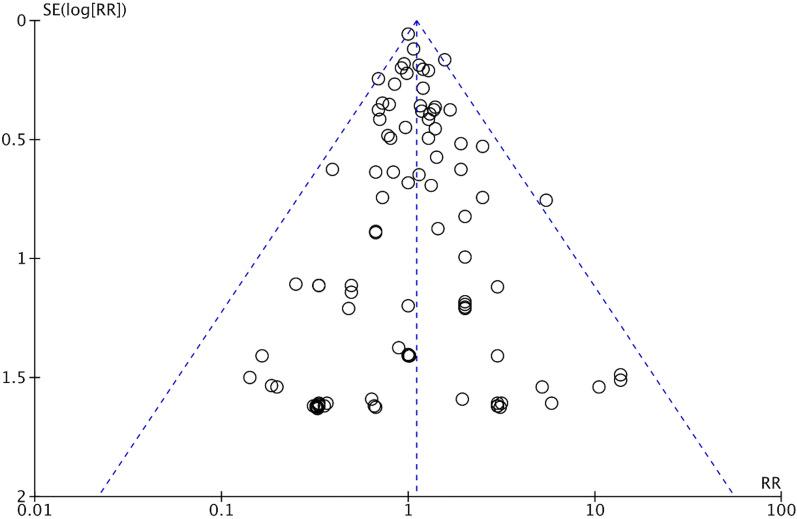
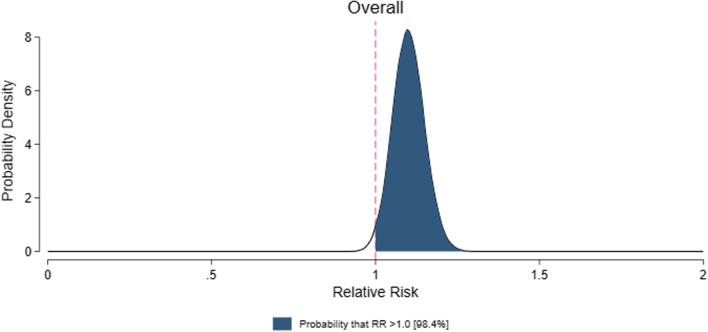
We identified 252 randomized trials comprising 30,757 patients. Mortality was higher in the propofol group than in the comparator group (760/14,754 [5.2%] vs. 682/16,003 [4.3%]; RR = 1.10; 95% confidence interval, 1.01-1.20; p = 0.03; I = 0%; number needed to harm = 235), corresponding to a 98.4% probability of any increase in mortality. A statistically significant mortality increase in the propofol group was confirmed in subgroups of cardiac surgery, adult patients, volatile agent as comparator, large studies, and studies with low mortality in the comparator arm.
CONCLUSIONS
Propofol may reduce survival in perioperative and critically ill patients. This needs careful assessment of the risk versus benefit of propofol compared to other agents while planning for large, pragmatic multicentric randomized controlled trials to provide a definitive answer.
背景
丙泊酚是世界上使用最广泛的催眠药物之一。然而,丙泊酚可能会对临床相关结局产生不利影响,这可能是由于抑制了其他干预措施的器官保护特性。我们进行了一项系统评价和荟萃分析,以评估在任何临床环境中,与任何其他催眠药物相比,丙泊酚是否会降低生存率。
方法
我们在 PubMed、Google Scholar 和 Cochrane 临床试验注册中心搜索了合格的研究。使用了以下纳入标准:随机治疗分配和在任何临床环境中比较丙泊酚和任何对照药物。主要结局是可获得的最长随访时间的死亡率。我们进行了固定效应荟萃分析,计算风险比(RR)。使用该 RR 和 95%置信区间,我们通过贝叶斯统计估计了任何危害的可能性(RR>1)。我们将这项系统评价和荟萃分析在 PROSPERO 国际前瞻性系统评价注册中心(CRD42022323143)进行了注册。
结果
我们确定了 252 项随机试验,共纳入了 30757 名患者。丙泊酚组的死亡率高于对照组(760/14754[5.2%]比 682/16003[4.3%];RR=1.10;95%置信区间,1.01-1.20;p=0.03;I=0%;需要治疗的人数=235),这意味着死亡率增加的可能性为 98.4%。在心脏手术、成年患者、挥发性药物作为对照、大型研究以及对照组死亡率较低的研究亚组中,丙泊酚组的死亡率增加具有统计学意义。
结论
丙泊酚可能会降低围手术期和危重病患者的生存率。在计划进行大型、实用的多中心随机对照试验以提供明确答案时,需要仔细评估丙泊酚与其他药物相比的风险与获益。

 Zotero 插件