
小儿癌症化疗的战场
The Battlefield of Chemotherapy in Pediatric Cancers.
作者信息
Bo Letao, Wang Youyou, Li Yidong, Wurpel John N D, Huang Zoufang, Chen Zhe-Sheng
机构信息
Department of Pharmaceutical Sciences, College of Pharmacy and Health Sciences, St. John's University, Queens, NY 11439, USA.
Ganzhou Key Laboratory of Hematology, Department of Hematology, The First Affiliated Hospital of Gannan Medical University, Ganzhou 341000, China.
出版信息
Cancers (Basel). 2023 Mar 24;15(7):1963. doi: 10.3390/cancers15071963.
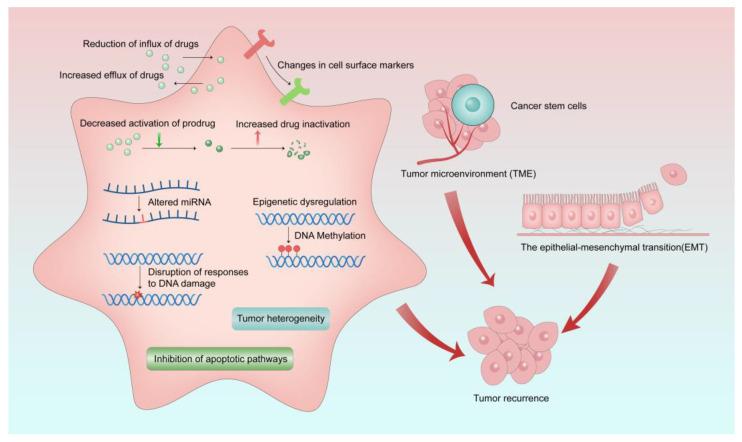
The survival rate for pediatric cancers has remarkably improved in recent years. Conventional chemotherapy plays a crucial role in treating pediatric cancers, especially in low- and middle-income countries where access to advanced treatments may be limited. The Food and Drug Administration (FDA) approved chemotherapy drugs that can be used in children have expanded, but patients still face numerous side effects from the treatment. In addition, multidrug resistance (MDR) continues to pose a major challenge in improving the survival rates for a significant number of patients. This review focuses on the severe side effects of pediatric chemotherapy, including doxorubicin-induced cardiotoxicity (DIC) and vincristine-induced peripheral neuropathy (VIPN). We also delve into the mechanisms of MDR in chemotherapy to the improve survival and reduce the toxicity of treatment. Additionally, the review focuses on various drug transporters found in common types of pediatric tumors, which could offer different therapeutic options.
近年来,儿童癌症的存活率有了显著提高。传统化疗在治疗儿童癌症方面发挥着关键作用,尤其是在那些获得先进治疗手段可能有限的低收入和中等收入国家。美国食品药品监督管理局(FDA)批准的可用于儿童的化疗药物有所增加,但患者仍面临治疗带来的众多副作用。此外,多药耐药性(MDR)仍然是提高大量患者存活率的一个主要挑战。本综述重点关注儿童化疗的严重副作用,包括阿霉素诱导的心脏毒性(DIC)和长春新碱诱导的周围神经病变(VIPN)。我们还深入探讨化疗中多药耐药性的机制,以提高存活率并降低治疗毒性。此外,该综述重点关注在常见类型的儿童肿瘤中发现的各种药物转运体,这可能提供不同的治疗选择。

 Zotero 插件