
缺氧条件下黑素瘤细胞释放的 CA-IX 高表达小细胞外囊泡(sEVs)及其在晚期黑素瘤患者血液中的存在。
CA-IX-Expressing Small Extracellular Vesicles (sEVs) Are Released by Melanoma Cells under Hypoxia and in the Blood of Advanced Melanoma Patients.
机构信息
Cellular and Molecular Physiology Unit, Department of Molecular and Developmental Medicine, University of Siena, Via A. Moro 2, 53100 Siena, Italy.
Cellular and Molecular Physiology Unit, Department of Medical Biotechnologies, University of Siena, Via A. Moro 2, 53100 Siena, Italy.
出版信息
Int J Mol Sci. 2023 Mar 24;24(7):6122. doi: 10.3390/ijms24076122.
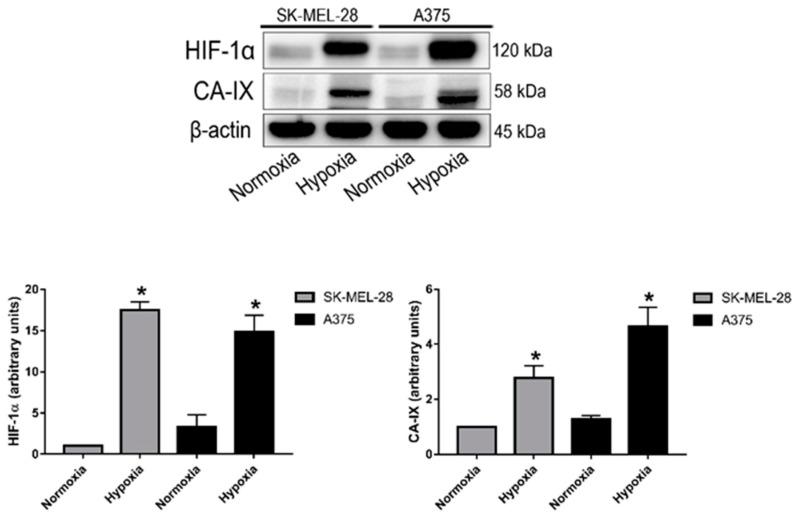
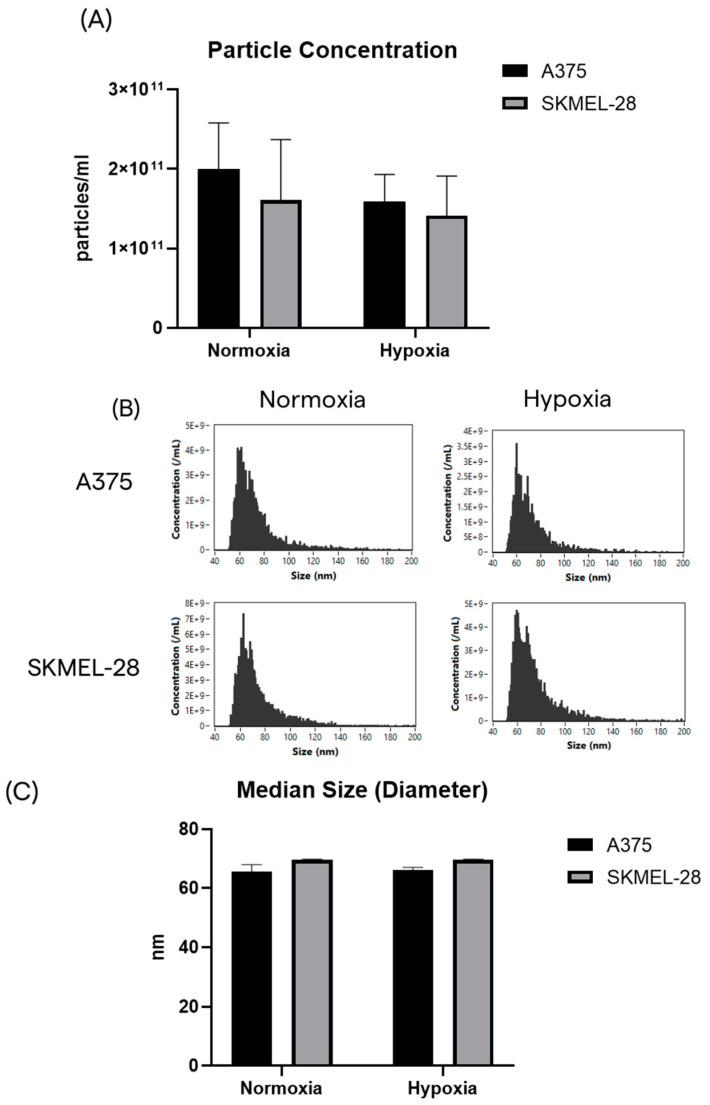
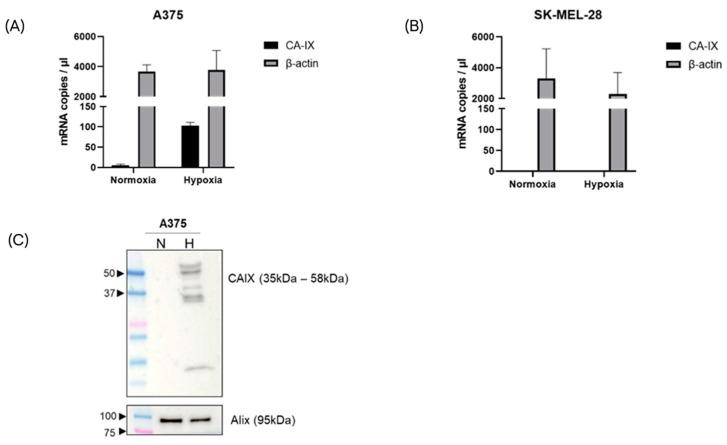
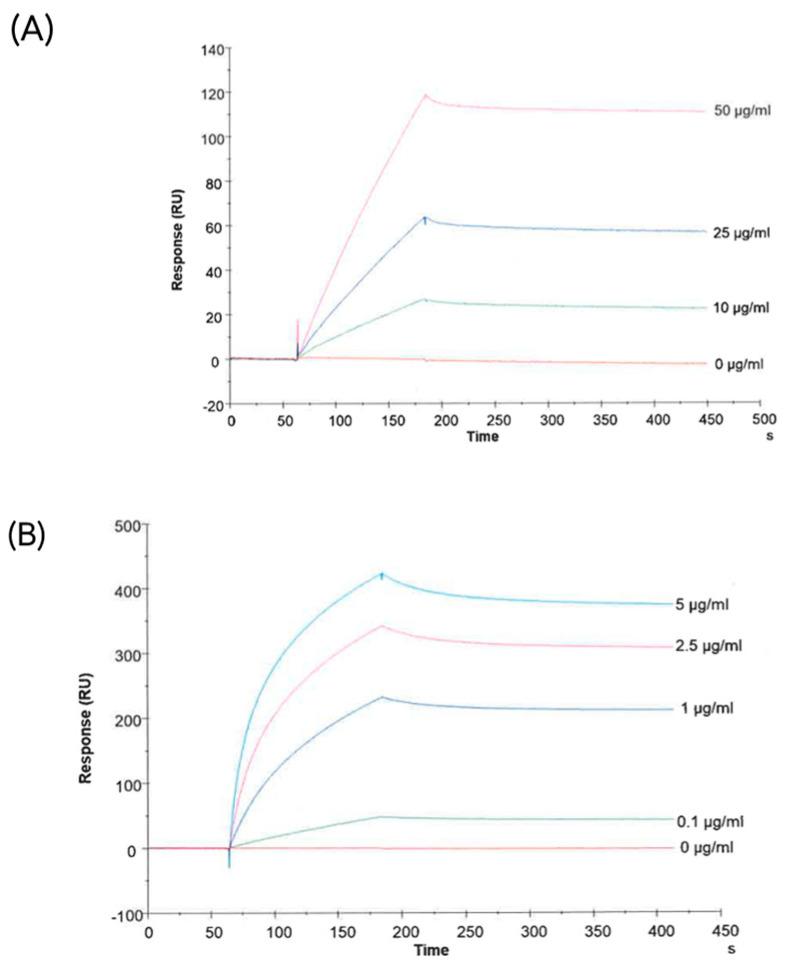
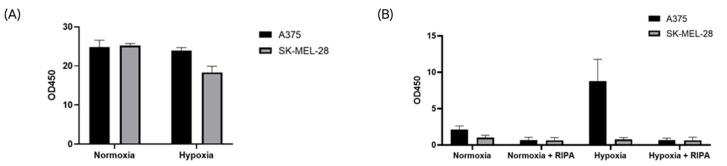
Cutaneous melanoma is a highly aggressive skin cancer, with poor prognosis. The tumor microenvironment is characterized by areas of hypoxia. Carbonic anhydrase IX (CA-IX) is a marker of tumor hypoxia and its expression is regulated by hypoxia-inducible factor-1 (HIF-1). CA-IX has been found to be highly expressed in invasive melanomas. In this study, we investigated the effects of hypoxia on the release of small extracellular vesicles (sEVs) in two melanoma in vitro models. We demonstrated that melanoma cells release sEVs under both normoxic and hypoxic conditions, but only hypoxia-induced sEVs express CA-IX mRNA and protein. Moreover, we optimized an ELISA assay to provide evidence for CA-IX protein expression on the membranes of the sEVs. These CA-IX-positive sEVs may be exploited as potential biomarkers for liquid biopsy.
皮肤黑色素瘤是一种高度侵袭性的皮肤癌,预后不良。肿瘤微环境的特点是存在缺氧区域。碳酸酐酶 IX(CA-IX)是肿瘤缺氧的标志物,其表达受缺氧诱导因子-1(HIF-1)调节。CA-IX 在侵袭性黑色素瘤中高度表达。在这项研究中,我们研究了缺氧对两种体外黑色素瘤模型中细胞外小泡(sEVs)释放的影响。我们证明,黑色素瘤细胞在常氧和缺氧条件下都会释放 sEVs,但只有缺氧诱导的 sEVs 表达 CA-IX mRNA 和蛋白。此外,我们优化了 ELISA 检测方法,为 sEV 膜上 CA-IX 蛋白表达提供了证据。这些 CA-IX 阳性 sEVs 可能被用作液体活检的潜在生物标志物。

 Zotero 插件