
淀粉样前体蛋白(APP)加工的错综复杂景观:创伤性脑损伤和神经退行性变中最新的可溶性 APP 相关分子的可能新靶点。
The Labyrinthine Landscape of APP Processing: State of the Art and Possible Novel Soluble APP-Related Molecular Players in Traumatic Brain Injury and Neurodegeneration.
机构信息
Computational and Chemical Biology, Italian Institute of Technology, Via Morego 30, 16163 Genova, Italy.
Department of Developmental and Molecular Biology, Albert Einstein College of Medicine, 1300 Morris Park Ave, Bronx, NY 10461, USA.
出版信息
Int J Mol Sci. 2023 Apr 2;24(7):6639. doi: 10.3390/ijms24076639.
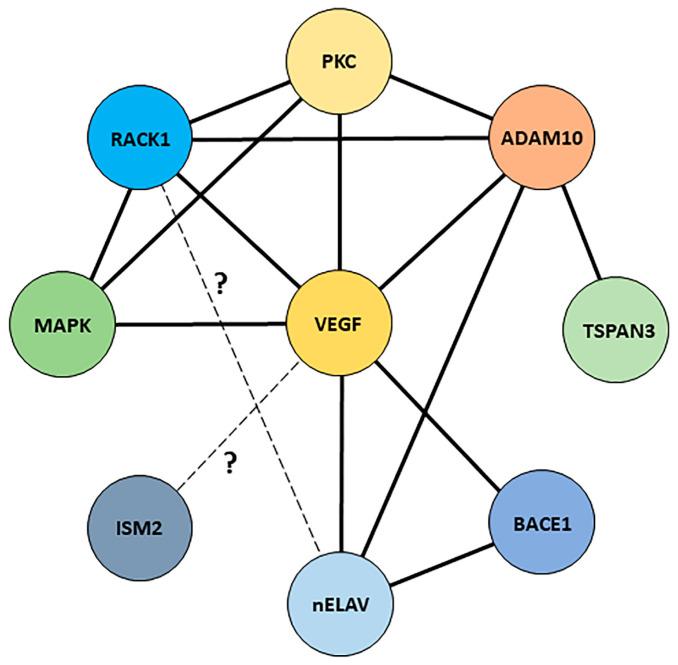
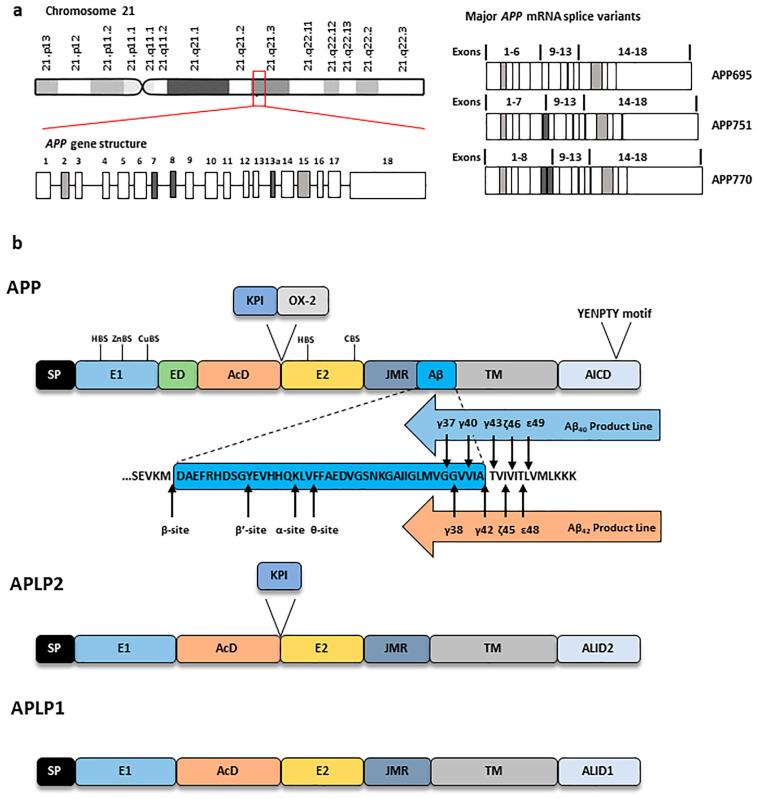
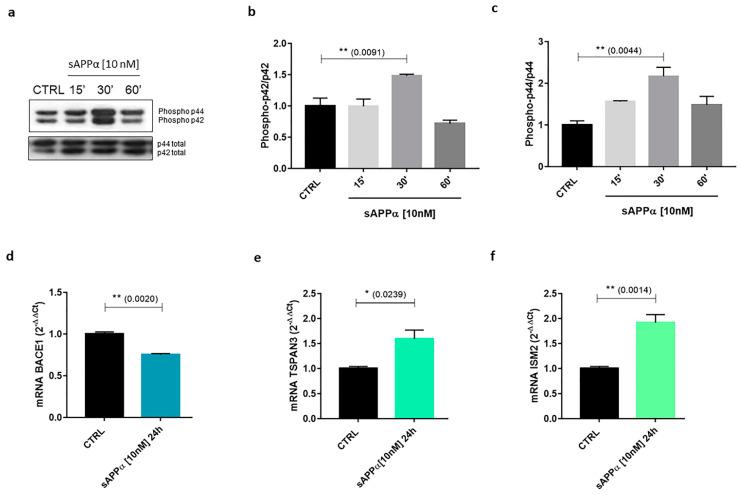
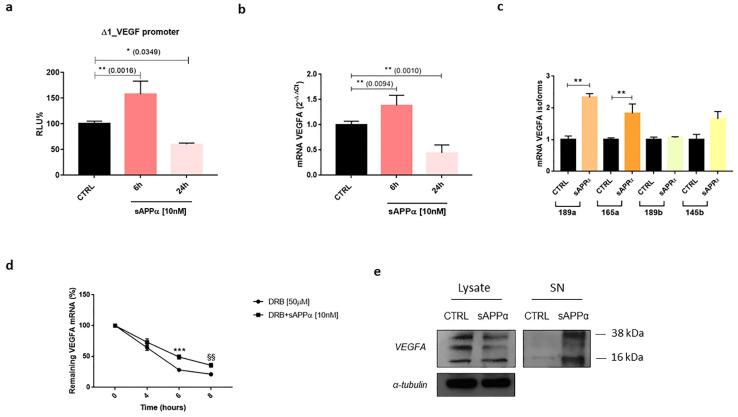
Amyloid Precursor Protein (APP) and its cleavage processes have been widely investigated in the past, in particular in the context of Alzheimer's Disease (AD). Evidence of an increased expression of APP and its amyloidogenic-related cleavage enzymes, β-secretase 1 () and γ-secretase, at the hit axon terminals following Traumatic Brain Injury (TBI), firstly suggested a correlation between TBI and AD. Indeed, mild and severe TBI have been recognised as influential risk factors for different neurodegenerative diseases, including AD. In the present work, we describe the state of the art of APP proteolytic processing, underlining the different roles of its cleavage fragments in both physiological and pathological contexts. Considering the neuroprotective role of the soluble APP alpha (sAPPα) fragment, we hypothesised that sAPPα could modulate the expression of genes of interest for AD and TBI. Hence, we present preliminary experiments addressing sAPPα-mediated regulation of , Isthmin 2 (), Tetraspanin-3 () and the Vascular Endothelial Growth Factor (), each discussed from a biological and pharmacological point of view in AD and TBI. We finally propose a neuroprotective interaction network, in which the Receptor for Activated C Kinase 1 (RACK1) and the signalling cascade of PKCβII/nELAV/VEGF play hub roles, suggesting that vasculogenic-targeting therapies could be a feasible approach for vascular-related brain injuries typical of AD and TBI.
淀粉样前体蛋白 (APP) 及其切割过程在过去得到了广泛的研究,特别是在阿尔茨海默病 (AD) 的背景下。创伤性脑损伤 (TBI) 后,在受影响的轴突末端发现 APP 及其淀粉样相关切割酶(β-分泌酶 1 () 和 γ-分泌酶)表达增加的证据,首先表明 TBI 与 AD 之间存在相关性。事实上,轻度和重度 TBI 已被认为是包括 AD 在内的不同神经退行性疾病的影响性风险因素。在本工作中,我们描述了 APP 蛋白水解加工的最新技术,强调了其切割片段在生理和病理环境中的不同作用。考虑到可溶性 APP alpha (sAPPα) 片段的神经保护作用,我们假设 sAPPα 可以调节 AD 和 TBI 中与感兴趣基因的表达。因此,我们提出了初步的实验,研究了 sAPPα 对、Isthmine 2 ()、Tetraspanin-3 () 和血管内皮生长因子 () 的调节作用,从 AD 和 TBI 的生物学和药理学角度分别讨论了每个基因。我们最后提出了一个神经保护相互作用网络,其中激活的 C 激酶 1 (RACK1) 受体和 PKCβII/nELAV/VEGF 的信号级联反应发挥枢纽作用,这表明针对血管生成的靶向治疗可能是 AD 和 TBI 中典型的血管相关脑损伤的可行方法。



 Zotero 插件