
传代原代人支气管上皮细胞可降低 CFTR 介导的液体转运并改变 mRNA 表达。
Passaging Primary Human Bronchial Epithelia Reduces CFTR-Mediated Fluid Transport and Alters mRNA Expression.
机构信息
Department of Cell Biology & Physiology, University of North Carolina, Chapel Hill, NC 27599, USA.
Marsico Lung Institute, University of North Carolina, Chapel Hill, NC 27599, USA.
出版信息
Cells. 2023 Mar 24;12(7):997. doi: 10.3390/cells12070997.
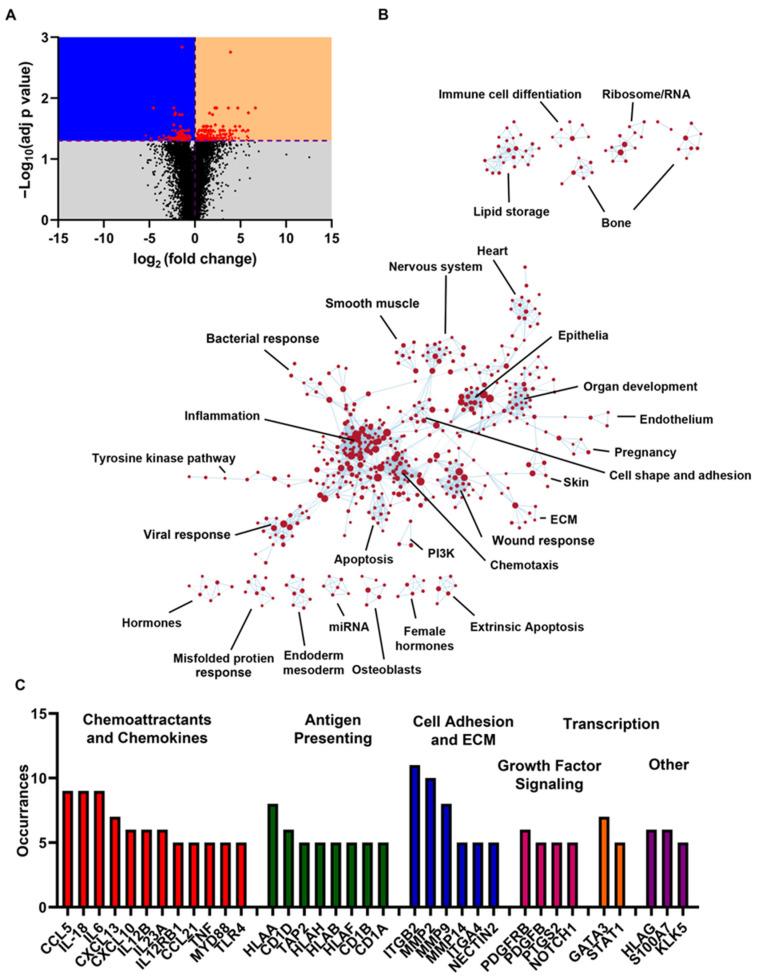
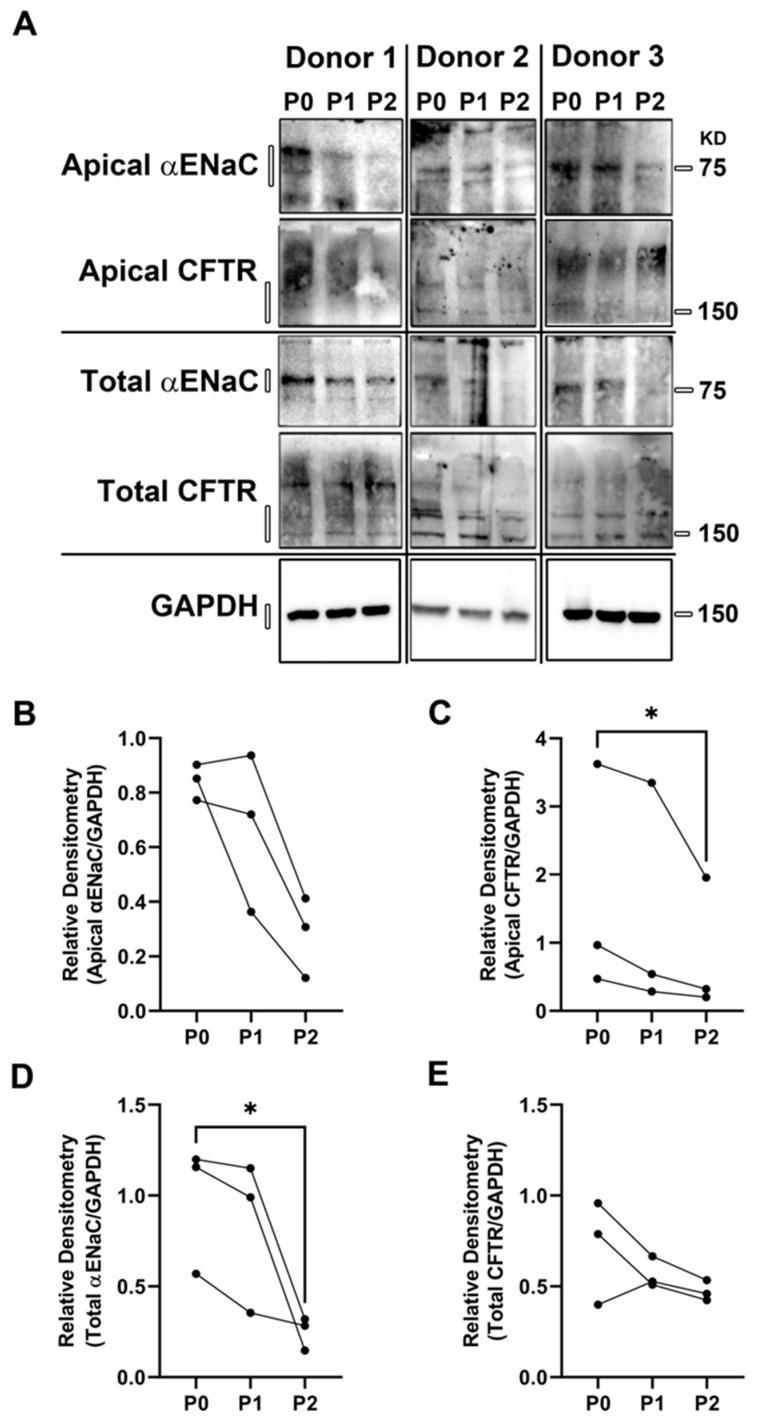
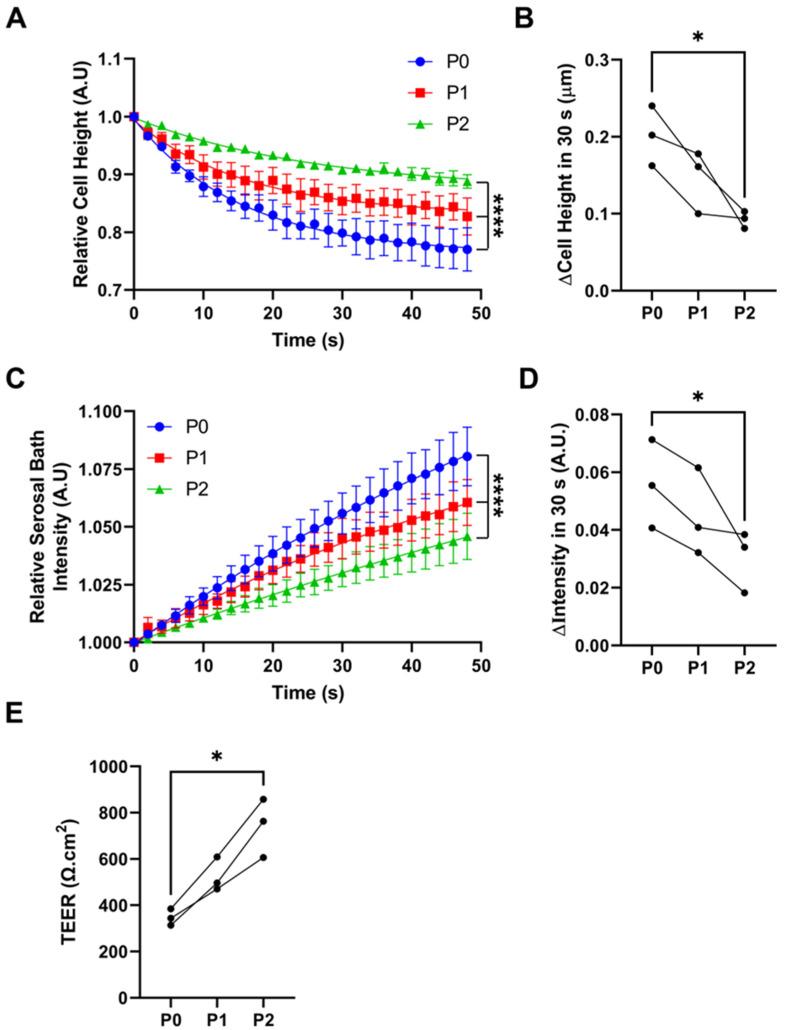
Primary human bronchial epithelial cultures (HBECs) are used to study airway physiology, disease, and drug development. HBECs often replicate human airway physiology/pathophysiology. Indeed, in the search for cystic fibrosis (CF) transmembrane conductance regulator (CFTR) therapies, HBECs were seen as the "gold standard" in preclinical studies. However, HBECs are not without their limitations: they are non-immortalized and the requirement for human donors, especially those with rare genetic mutations, can make HBECs expensive and/or difficult to source. For these reasons, researchers may opt to expand HBECs by passaging. This practice is common, but to date, there has not been a robust analysis of the impact of expanding HBECs on their phenotype. Here, we used functional studies of airway surface liquid (ASL) homeostasis, epithelial barrier properties, and RNA-seq and Western blotting to investigate HBEC changes over two passage cycles. We found that passaging impaired CFTR-mediated ASL secretion and led to a reduction in the plasma membrane expression of the epithelial sodium channel (ENaC) and CFTR. Passaging also resulted in an increase in transepithelial resistance and a decrease in epithelial water permeability. We then looked for changes at the mRNA level and found that passaging significantly affected 323 genes, including genes involved in inflammation, cell growth, and extracellular matrix remodeling. Collectively, these data highlight the potential for HBEC expansion to impact research findings.
原代人支气管上皮细胞(HBECs)用于研究气道生理学、疾病和药物开发。HBECs 通常复制人类气道生理学/病理生理学。事实上,在寻找囊性纤维化(CF)跨膜电导调节剂(CFTR)治疗方法时,HBECs 被视为临床前研究中的“金标准”。然而,HBECs 并非没有局限性:它们是非永生化的,并且需要人类供体,特别是那些具有罕见基因突变的供体,这使得 HBECs 昂贵且/或难以获得。出于这些原因,研究人员可能选择通过传代来扩增 HBECs。这种做法很常见,但迄今为止,还没有对扩增 HBECs 对其表型的影响进行过强有力的分析。在这里,我们使用气道表面液(ASL)稳态、上皮屏障特性以及 RNA-seq 和 Western blot 等功能研究来研究 HBEC 在两个传代周期中的变化。我们发现传代会损害 CFTR 介导的 ASL 分泌,并导致上皮钠通道(ENaC)和 CFTR 的质膜表达减少。传代还导致跨上皮电阻增加和上皮水通透性降低。然后,我们在 mRNA 水平上寻找变化,发现传代会显著影响 323 个基因,包括参与炎症、细胞生长和细胞外基质重塑的基因。总之,这些数据突出了 HBEC 扩增对研究结果的潜在影响。

 Zotero 插件