
综述:基因编辑在鱼类物种和水产医学中的最新应用
Review: Recent Applications of Gene Editing in Fish Species and Aquatic Medicine.
作者信息
Gutási Anikó, Hammer Sabine E, El-Matbouli Mansour, Saleh Mona
机构信息
Department of Farm Animals and Veterinary Public Health, Division of Fish Health, University of Veterinary Medicine, 1210 Vienna, Austria.
Department of Pathobiology, Institute of Immunology, University of Veterinary Medicine, 1210 Vienna, Austria.
出版信息
Animals (Basel). 2023 Apr 4;13(7):1250. doi: 10.3390/ani13071250.
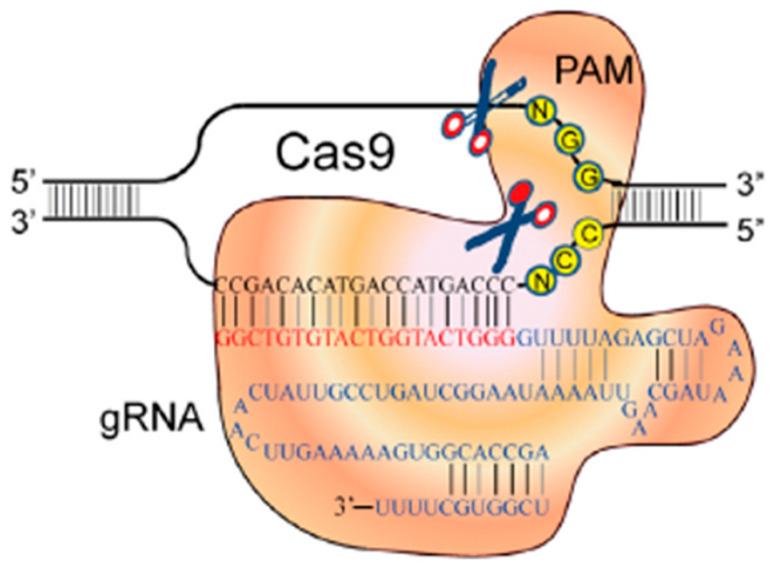
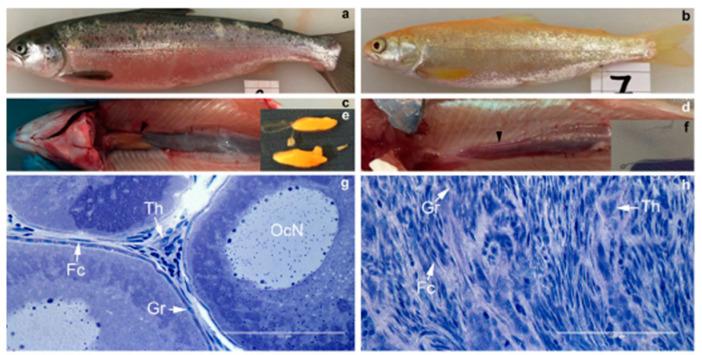
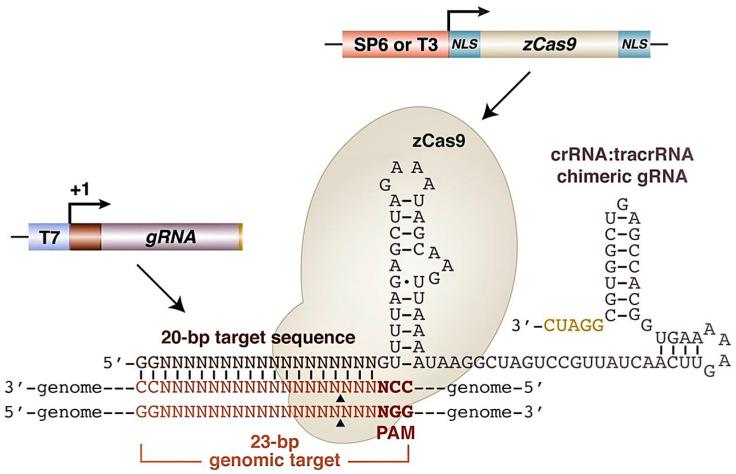
Gene editing and gene silencing techniques have the potential to revolutionize our knowledge of biology and diseases of fish and other aquatic animals. By using such techniques, it is feasible to change the phenotype and modify cells, tissues and organs of animals in order to cure abnormalities and dysfunctions in the organisms. Gene editing is currently experimental in wide fields of aquaculture, including growth, controlled reproduction, sterility and disease resistance. Zink finger nucleases, TALENs and CRISPR/Cas9 targeted cleavage of the DNA induce favorable changes to site-specific locations. Moreover, gene silencing can be used to inhibit the translation of RNA, namely, to regulate gene expression. This methodology is widely used by researchers to investigate genes involved in different disorders. It is a promising tool in biotechnology and in medicine for investigating gene function and diseases. The production of food fish has increased markedly, making fish and seafood globally more popular. Consequently, the incidence of associated problems and disease outbreaks has also increased. A greater investment in new technologies is therefore needed to overcome such problems in this industry. To put it concisely, the modification of genomic DNA and gene silencing can comprehensively influence aquatic animal medicine in the future. On the ethical side, these precise genetic modifications make it more complicated to recognize genetically modified organisms in nature and can cause several side effects through created mutations. The aim of this review is to summarize the current state of applications of gene modifications and genome editing in fish medicine.
基因编辑和基因沉默技术有潜力彻底改变我们对鱼类和其他水生动物生物学及疾病的认识。通过使用这些技术,改变动物的表型以及修饰其细胞、组织和器官以治愈生物体中的异常和功能障碍是可行的。基因编辑目前在水产养殖的广泛领域中仍处于实验阶段,包括生长、可控繁殖、不育和抗病性等方面。锌指核酸酶、转录激活样效应因子核酸酶(TALENs)和CRISPR/Cas9对DNA的靶向切割可在特定位置诱导有利变化。此外,基因沉默可用于抑制RNA的翻译,即调节基因表达。这种方法被研究人员广泛用于研究与不同疾病相关的基因。它是生物技术和医学领域用于研究基因功能和疾病的一种有前景的工具。食用鱼的产量显著增加,使得鱼类和海鲜在全球范围内更受欢迎。因此,相关问题和疾病爆发的发生率也有所上升。因此,需要对新技术进行更多投资以克服该行业中的此类问题。简而言之,基因组DNA的修饰和基因沉默未来可能会全面影响水生动物医学。在伦理方面,这些精确的基因修饰使得在自然界中识别转基因生物变得更加复杂,并且可能通过产生的突变导致多种副作用。这篇综述的目的是总结基因修饰和基因组编辑在鱼类医学中的应用现状。




 Zotero 插件