
局部脑振荡和区域间连接以不同的方式服务于感觉和预期对疼痛的影响。
Local brain oscillations and interregional connectivity differentially serve sensory and expectation effects on pain.
机构信息
Department of Neurology and TUM-Neuroimaging Center (TUM-NIC), TUM School of Medicine, Technical University of Munich (TUM), Munich, Germany.
Institute for Biomagnetism and Biosignalanalysis, University of Münster, Münster, Germany.
出版信息
Sci Adv. 2023 Apr 21;9(16):eadd7572. doi: 10.1126/sciadv.add7572. Epub 2023 Apr 19.
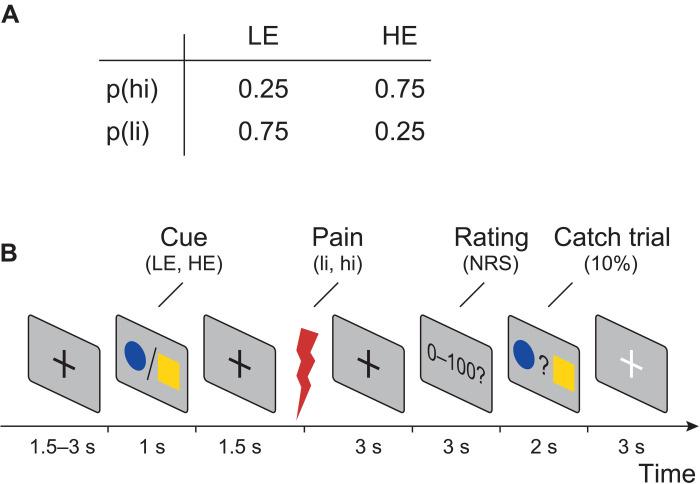
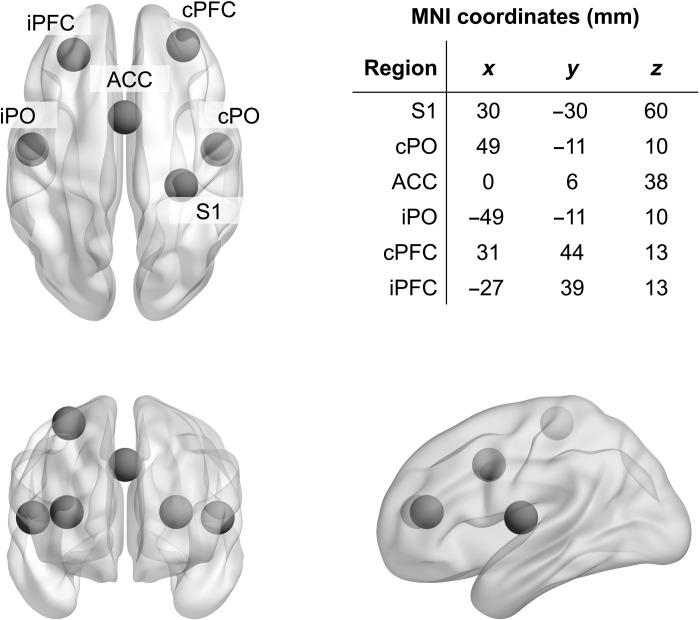
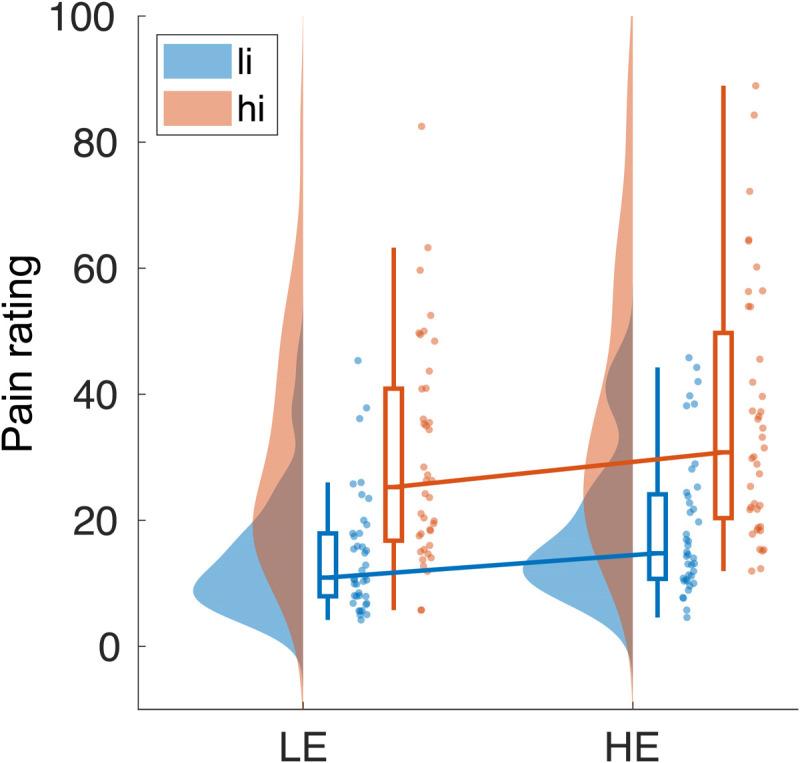
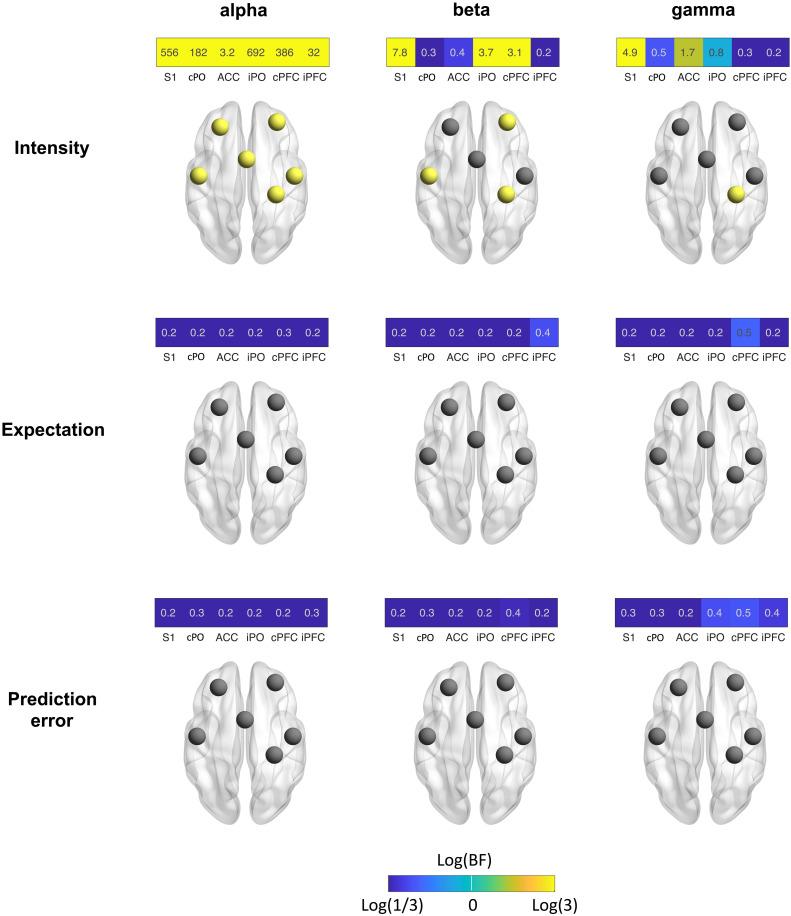
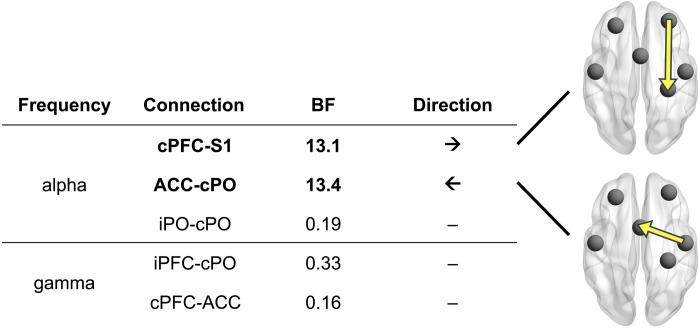
Pain emerges from the integration of sensory information about threats and contextual information such as an individual's expectations. However, how sensory and contextual effects on pain are served by the brain is not fully understood so far. To address this question, we applied brief painful stimuli to 40 healthy human participants and independently varied stimulus intensity and expectations. Concurrently, we recorded electroencephalography. We assessed local oscillatory brain activity and interregional functional connectivity in a network of six brain regions playing key roles in the processing of pain. We found that sensory information predominantly influenced local brain oscillations. In contrast, expectations exclusively influenced interregional connectivity. Specifically, expectations altered connectivity at alpha (8 to 12 hertz) frequencies from prefrontal to somatosensory cortex. Moreover, discrepancies between sensory information and expectations, i.e., prediction errors, influenced connectivity at gamma (60 to 100 hertz) frequencies. These findings reveal how fundamentally different brain mechanisms serve sensory and contextual effects on pain.
疼痛源自于对威胁的感觉信息和个体期望等情境信息的整合。然而,迄今为止,大脑如何处理感觉和情境效应对疼痛的影响还不完全清楚。为了解决这个问题,我们向 40 名健康的人类参与者施加短暂的疼痛刺激,并分别改变刺激强度和期望。同时,我们记录了脑电图。我们评估了在一个涉及痛觉处理的六个脑区的网络中局部脑振荡活动和区域间功能连接。我们发现,感觉信息主要影响局部脑振荡。相比之下,期望只影响区域间的连接。具体来说,期望改变了从额前皮质到躯体感觉皮质的α(8 到 12 赫兹)频率的连接。此外,感觉信息和期望之间的差异,即预测误差,影响了γ(60 到 100 赫兹)频率的连接。这些发现揭示了大脑机制如何从根本上服务于疼痛的感觉和情境效应。




 Zotero 插件