
农村俾路支省糖尿病、糖尿病前期及其相关危险因素的流行变化;重复调查(2002-2017 年)的二次分析。
Changes in the prevalence of diabetes, prediabetes and associated risk factors in rural Baluchistan; a secondary analysis from repeated surveys (2002-2017).
机构信息
Acute Medicine and Ambulatory Care, Whipps Cross University Hospital, Barts Health NHS Trust, London, United Kingdom.
Research Department, Baqai Institute of Diabetology and Endocrinology, Baqai Medical University, Karachi, Sindh, Pakistan.
出版信息
PLoS One. 2023 Apr 20;18(4):e0284441. doi: 10.1371/journal.pone.0284441. eCollection 2023.
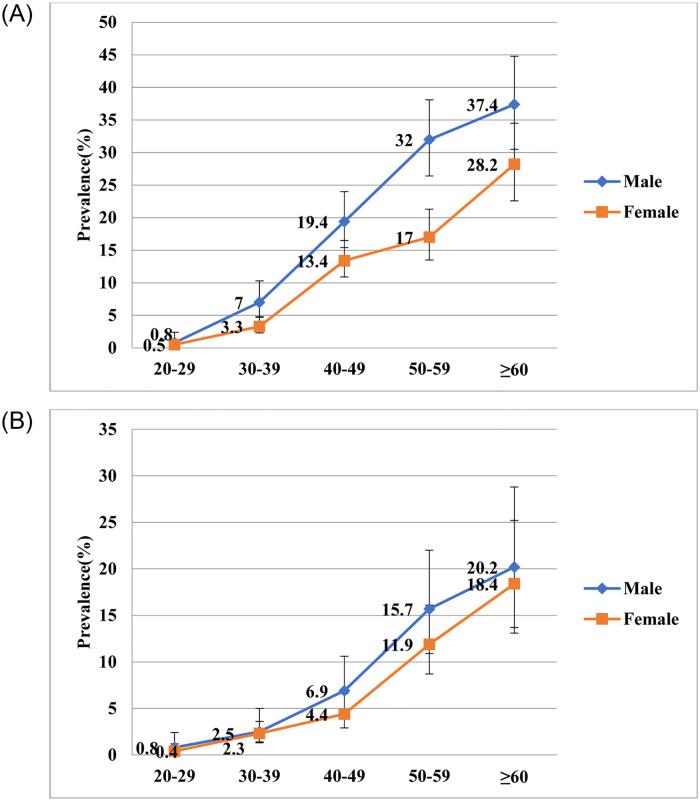
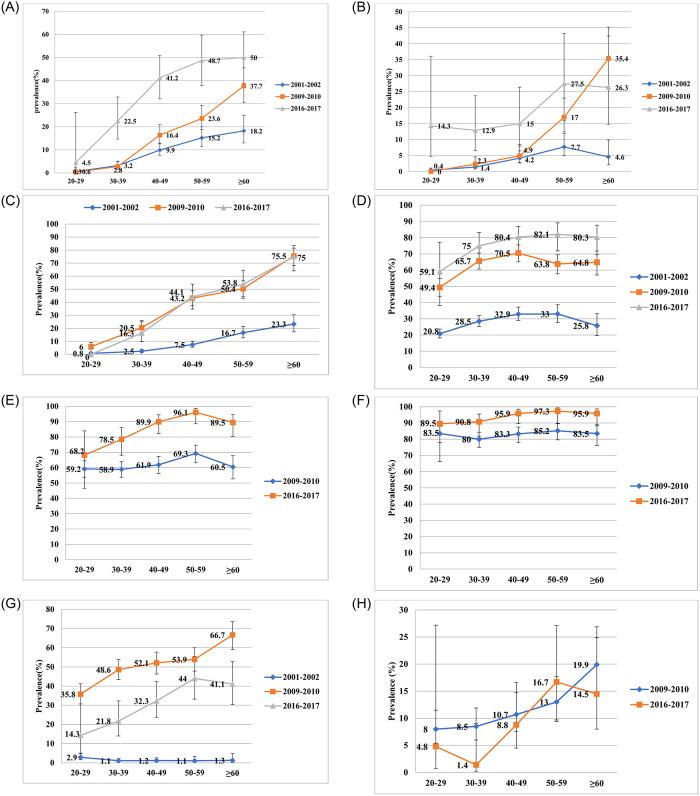
To observe trends of diabetes and its associated risk factors from health surveys 2002-2017 in rural areas of Baluchistan-Pakistan and a secondary analysis based on community based health surveys of Baluchistan conducted between 2001-02, 2009-10, and 2016-17. A total of 4250 participants were included in this combined analysis, 2515 from 2001-2002, 1377 from 2009-2010 and 358 from 2016-2017 survey year. In each survey, detailed information of baseline parameters were noted on a predesigned questionnaire. Fasting plasma glucose (FPG) was used for diagnosis of diabetes for comparative purposes in this analysis. Cardiovascular (CVD) risk factors including hypertension, obesity, dyslipidaemia, tobacco use, alcohol consumption, and physical activity were compared. Most subjects were aged 30-50 years and males were found higher in 2016-17 compared to 2001-02 and 2009-10. Pronounced increases in BMI, waist circumference, blood pressure, and family history of diabetes were observed in 2016-17. Diabetes prevalence was 4.2 (3.4-4.9), 7.8 (6.6-9.2) and 31.9 (26.9-37.4), whilst pre-diabetes was 1.7 (1.3-2.2), 3.6 (2.8-4.6) and 10.7 (7.6-14.9) in years 2001-02, 2009-10, and 2016-17, respectively. Among those aged 20-39years, prevalence of diabetes was stable from 2001-10 yet increased considerably between the ages of 30-39years in 2016-17. Throughout the observed period, rapid increases were observed in hypertension, obesity, and dyslipidaemia, however, addiction to tobacco use and alcohol intake decreased. Adjusted odd ratios showed age, marital status, education, hypertension, and family history of diabetes as associated risk factors for glycaemic dysregulation. The rural Baluchistan population is confronted with increasing trends of early onset diabetes due to highly associated CVD risk factors, especially central obesity and dyslipidaemia, raising a major public health challenge.
为了观察 2002-2017 年俾路支省农村地区糖尿病及其相关危险因素的趋势,并基于 2001-02 年、2009-10 年和 2016-17 年进行的俾路支省社区为基础的健康调查进行二次分析。本综合分析共纳入 4250 名参与者,其中 2001-02 年 2515 名,2009-10 年 1377 名,2016-17 年 358 名。在每一项调查中,都在预先设计的问卷上记录了基线参数的详细信息。在本分析中,空腹血糖(FPG)用于诊断糖尿病,以便进行比较。心血管(CVD)危险因素,包括高血压、肥胖、血脂异常、吸烟、饮酒和体力活动,进行了比较。大多数参与者年龄在 30-50 岁之间,与 2001-02 年和 2009-10 年相比,2016-17 年男性比例较高。2016-17 年,体重指数(BMI)、腰围、血压和糖尿病家族史明显增加。糖尿病患病率分别为 4.2(3.4-4.9)、7.8(6.6-9.2)和 31.9(26.9-37.4),而 2001-02 年、2009-10 年和 2016-17 年的糖尿病前期患病率分别为 1.7(1.3-2.2)、3.6(2.8-4.6)和 10.7(7.6-14.9)。在 20-39 岁年龄组中,2001-10 年糖尿病的患病率保持稳定,但在 2016-17 年,30-39 岁年龄组的患病率显著增加。在整个观察期间,高血压、肥胖和血脂异常的发生率迅速上升,然而,吸烟和饮酒的比例有所下降。调整后的比值比显示,年龄、婚姻状况、教育程度、高血压和糖尿病家族史是血糖调节异常的相关危险因素。俾路支省农村地区面临着由于高度相关的心血管疾病危险因素(尤其是中心性肥胖和血脂异常)导致的早发性糖尿病发病率上升的趋势,这带来了重大的公共卫生挑战。
 Zotero 插件