
血管功能和高血压中的信号通路:分子机制和治疗干预。
Signaling pathways in vascular function and hypertension: molecular mechanisms and therapeutic interventions.
机构信息
Department of Cardiology, West China Hospital, Sichuan University, No. 37, Guo Xue District, Chengdu, Sichuan, 610041, People's Republic of China.
出版信息
Signal Transduct Target Ther. 2023 Apr 20;8(1):168. doi: 10.1038/s41392-023-01430-7.
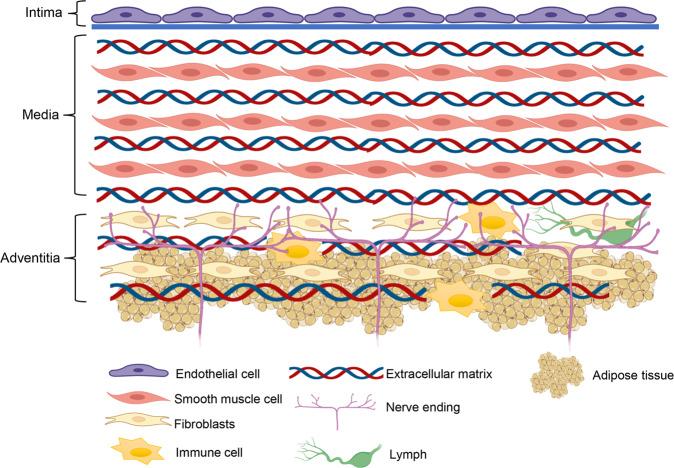
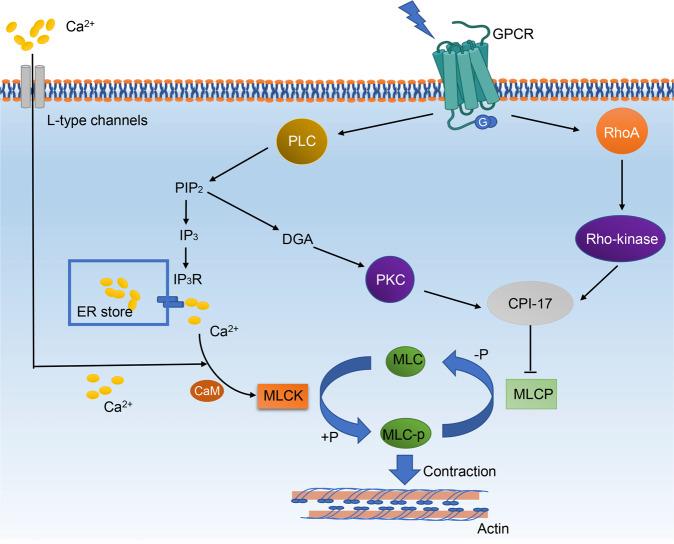
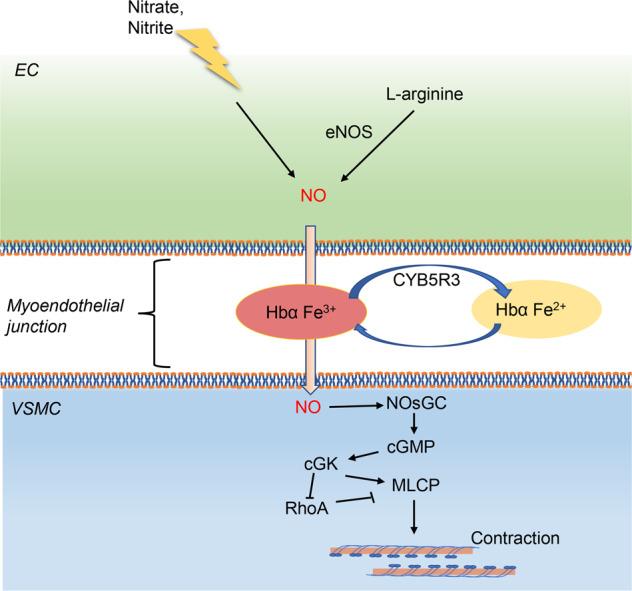
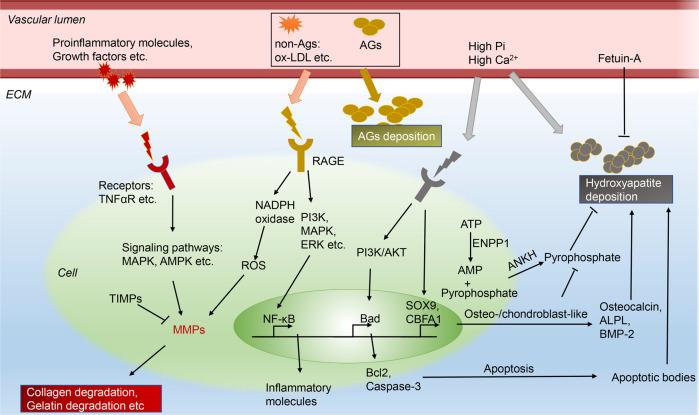
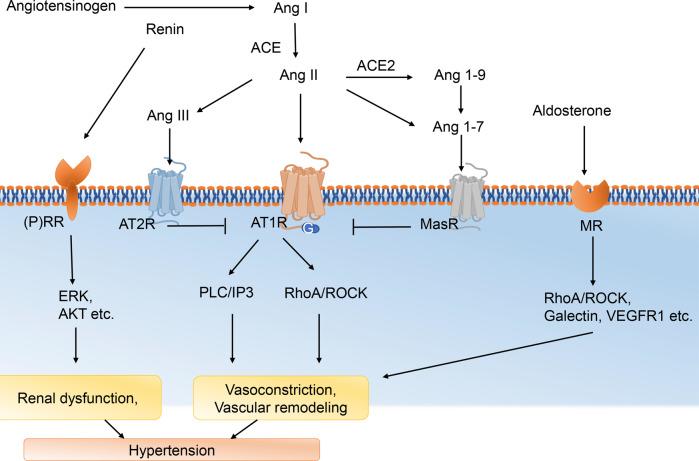
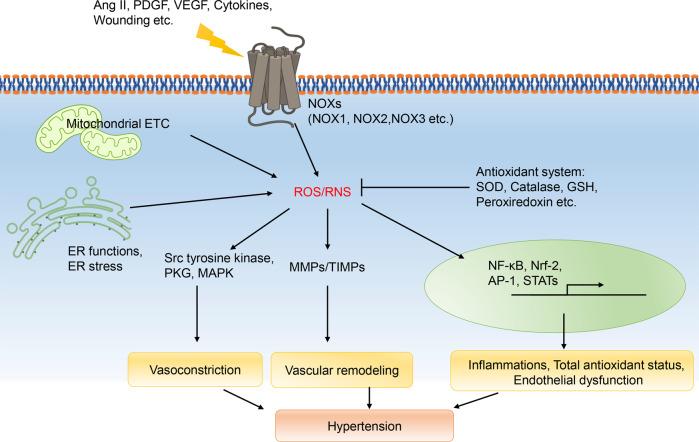
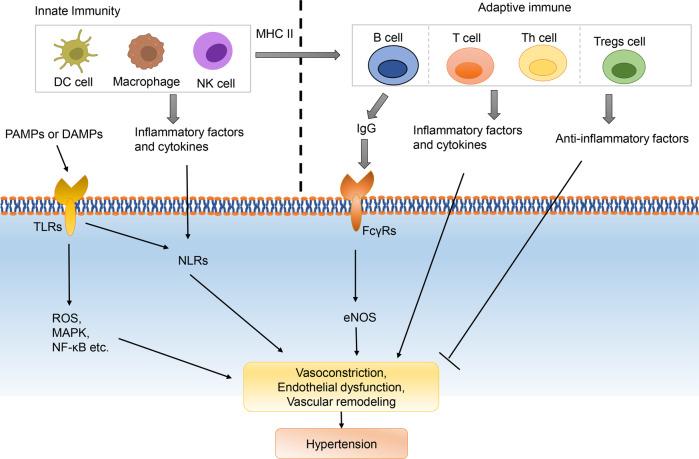
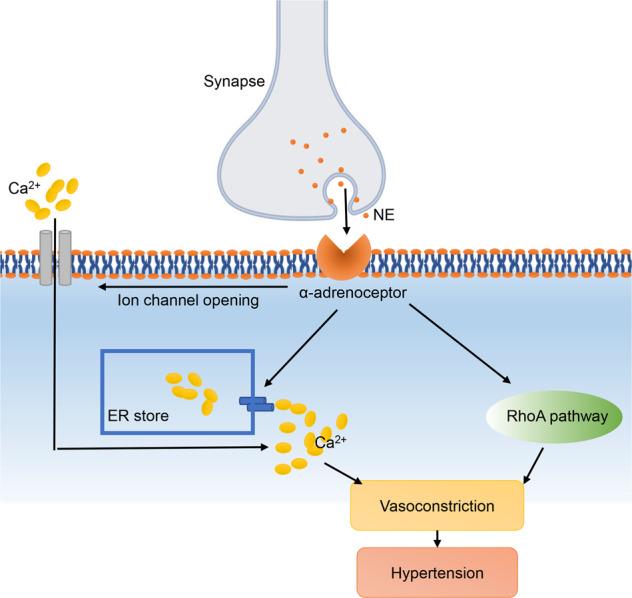
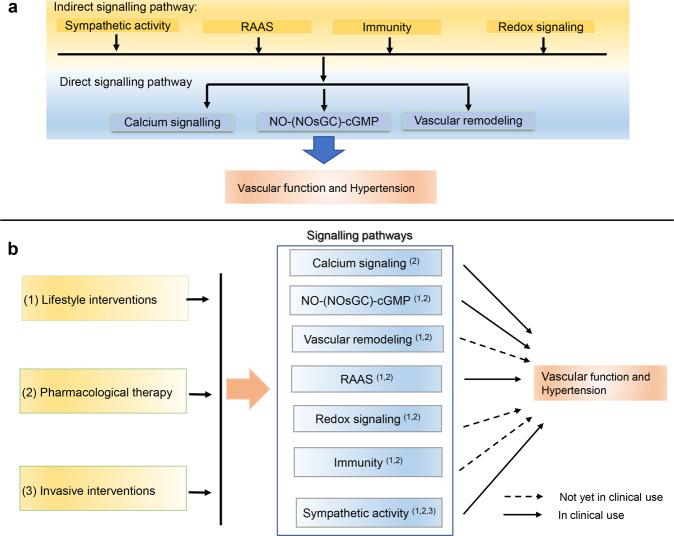
Hypertension is a global public health issue and the leading cause of premature death in humans. Despite more than a century of research, hypertension remains difficult to cure due to its complex mechanisms involving multiple interactive factors and our limited understanding of it. Hypertension is a condition that is named after its clinical features. Vascular function is a factor that affects blood pressure directly, and it is a main strategy for clinically controlling BP to regulate constriction/relaxation function of blood vessels. Vascular elasticity, caliber, and reactivity are all characteristic indicators reflecting vascular function. Blood vessels are composed of three distinct layers, out of which the endothelial cells in intima and the smooth muscle cells in media are the main performers of vascular function. The alterations in signaling pathways in these cells are the key molecular mechanisms underlying vascular dysfunction and hypertension development. In this manuscript, we will comprehensively review the signaling pathways involved in vascular function regulation and hypertension progression, including calcium pathway, NO-NOsGC-cGMP pathway, various vascular remodeling pathways and some important upstream pathways such as renin-angiotensin-aldosterone system, oxidative stress-related signaling pathway, immunity/inflammation pathway, etc. Meanwhile, we will also summarize the treatment methods of hypertension that targets vascular function regulation and discuss the possibility of these signaling pathways being applied to clinical work.
高血压是一个全球性的公共卫生问题,也是导致人类早逝的主要原因。尽管研究已经进行了一个多世纪,但由于高血压的发病机制复杂,涉及多种相互作用的因素,而我们对其了解有限,因此仍然难以治愈。高血压是以其临床特征命名的一种病症。血管功能是直接影响血压的一个因素,调节血管的收缩/舒张功能是临床上控制血压的主要策略。血管弹性、口径和反应性都是反映血管功能的特征指标。血管由三个不同的层组成,其中内膜中的内皮细胞和中膜中的平滑肌细胞是血管功能的主要执行者。这些细胞中信号通路的改变是血管功能障碍和高血压发展的关键分子机制。在本文中,我们将全面综述参与血管功能调节和高血压进展的信号通路,包括钙通路、NO-NOsGC-cGMP 通路、各种血管重塑通路以及肾素-血管紧张素-醛固酮系统、氧化应激相关信号通路、免疫/炎症通路等一些重要的上游通路。同时,我们还将总结针对血管功能调节的高血压治疗方法,并讨论这些信号通路应用于临床工作的可能性。

 Zotero 插件