
建立一个新型实验系统,使用表达 K-RasG12V 且缺乏 p53 的单细胞衍生的多形性横纹肌肉瘤细胞系。
Establishment of a novel experimental system using single cell-derived pleomorphic rhabdomyosarcoma cell lines expressing K-RasG12V and deficient in p53.
机构信息
Department of Animal Functional Genomics of Advanced Science Research Promotion Center, Organization for Research Initiative and Promotion at Mie University, 2-174 Edobashi, Tsu, Mie 514-8507, Japan.
出版信息
Exp Anim. 2023 Nov 9;72(4):446-453. doi: 10.1538/expanim.22-0177. Epub 2023 Apr 19.
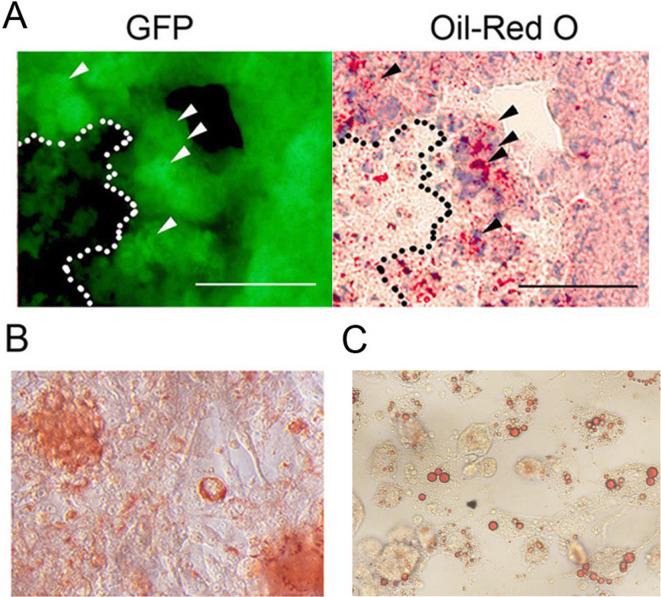
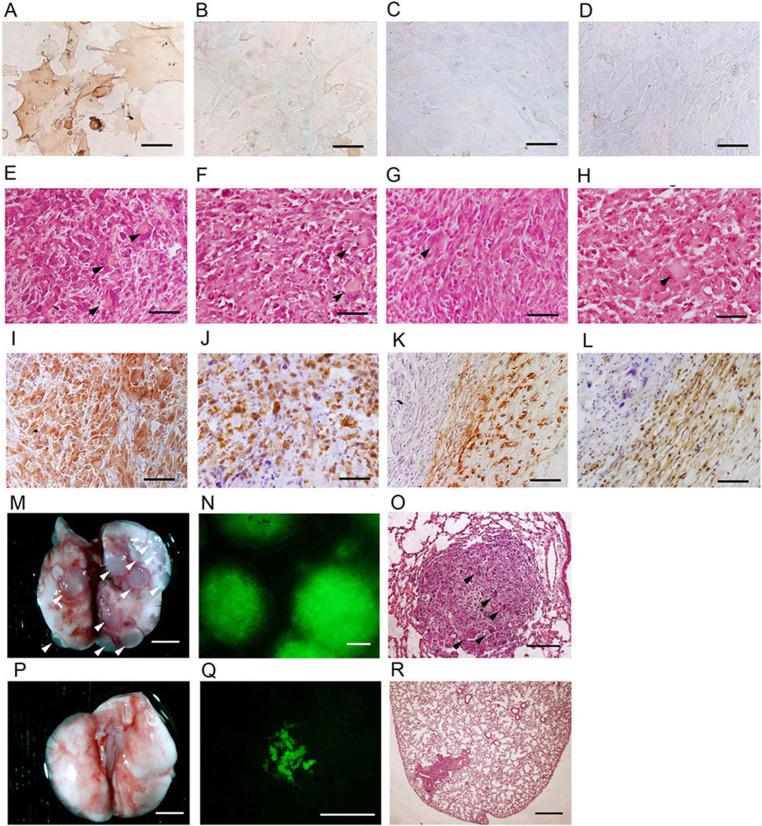
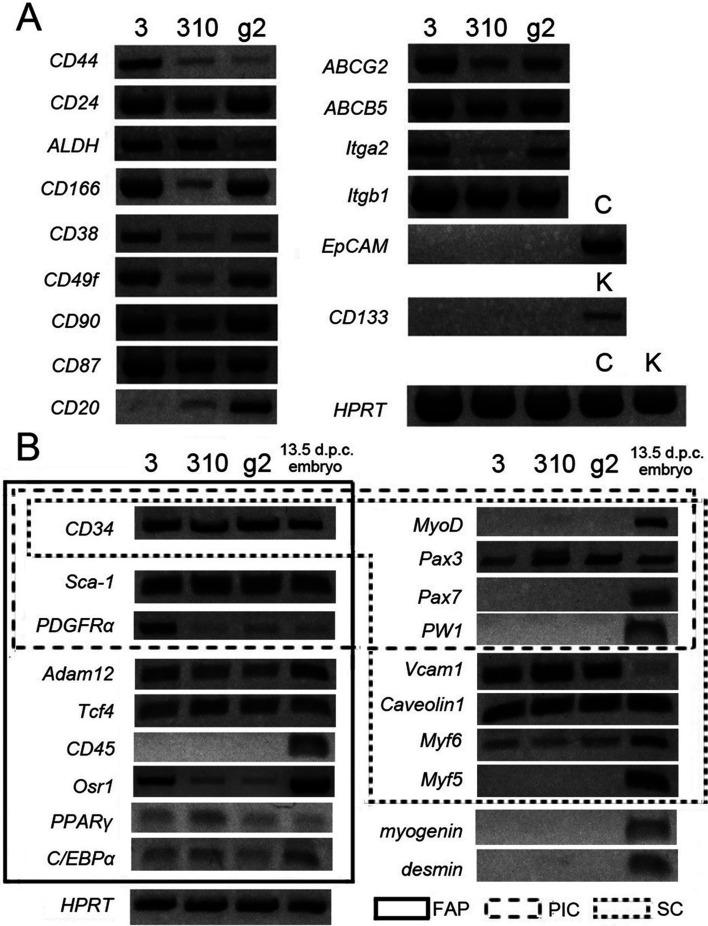
Pleomorphic rhabdomyosarcoma (PRMS) predominantly arises in adult skeletal musculature and is usually associated with poor prognosis. Thus, effective treatments must be developed. PRMS is a rare tumor; therefore, it is critical to develop an experimental system to understand the cellular and molecular mechanisms of PRMS. We previously demonstrated that PRMS develops after p53 gene deletion and oncogenic K-Ras expression in the skeletal muscle tissue. In that study, oncogenic K-Ras-expressing cells were diverse and the period until disease onset was difficult to control. In this study, we developed an experimental system to address this problem. Single cell-derived murine cell lines, designated as RMS310 and RMSg2, were established by limiting the dilution of cells from a lung metastatic tumor colony that were positive for various cancer stem cells and activated skeletal muscle-resident stem/progenitor cell marker genes by RT-PCR. All cell lines stably recapitulated the histological characteristics of human PRMS as bizarre giant cells, desmin-positive cells, and lung metastases in C57BL/6 mice. All subclones of the RMSg2 cells by the limiting dilution in vitro could seed PRMS subcutaneously, and as few as 500 RMSg2 cells were sufficient to form tumors. These results suggest that the RMSg2 cells are multipotent cancer cells that partially combine the properties of skeletal muscle-resident stem/progenitor cells and high tumorigenicity. Thus, our model system's capacity to regenerate tumor tissue in vivo and maintain stable cells in vitro makes it useful for developing therapeutics to treat PRMS.
多形性横纹肌肉瘤 (PRMS) 主要发生在成人骨骼肌中,通常与预后不良相关。因此,必须开发有效的治疗方法。PRMS 是一种罕见的肿瘤;因此,开发一个实验系统来了解 PRMS 的细胞和分子机制至关重要。我们之前证明,在骨骼肌组织中 p53 基因缺失和致癌 K-Ras 表达后会发展出 PRMS。在该研究中,表达致癌 K-Ras 的细胞是多样化的,疾病发作的时间很难控制。在这项研究中,我们开发了一个实验系统来解决这个问题。通过限制 RT-PCR 阳性的肺转移瘤菌落中各种癌症干细胞和激活的骨骼肌驻留干细胞/祖细胞标记基因的细胞稀释度,建立了单细胞衍生的鼠细胞系 RMS310 和 RMSg2。所有细胞系在 C57BL/6 小鼠中均稳定地重现了人类 PRMS 的组织学特征,即奇异巨细胞、结蛋白阳性细胞和肺转移。通过体外限制稀释对 RMSg2 细胞的所有亚克隆都可以皮下播种 PRMS,并且只需 500 个 RMSg2 细胞即可形成肿瘤。这些结果表明,RMSg2 细胞是多能癌细胞,部分结合了骨骼肌驻留干细胞/祖细胞的特性和高致瘤性。因此,我们的模型系统在体内再生肿瘤组织和体外维持稳定细胞的能力使其可用于开发治疗 PRMS 的疗法。
 Zotero 插件