
S-1-丙烯基-L-半胱氨酸通过抑制肿瘤坏死因子-α转化酶-表皮生长因子受体轴抑制人牙龈成纤维细胞中脂多糖诱导的基质金属蛋白酶-1的表达。
S-1-propenyl-L-cysteine suppresses lipopolysaccharide-induced expression of matrix metalloproteinase-1 through inhibition of tumor necrosis factor-α converting enzyme-epidermal growth factor receptor axis in human gingival fibroblasts.
机构信息
Central Research Institute, Wakunaga Pharmaceutical Co., Ltd., Akitakata, Hiroshima, Japan.
出版信息
PLoS One. 2023 Apr 21;18(4):e0284713. doi: 10.1371/journal.pone.0284713. eCollection 2023.
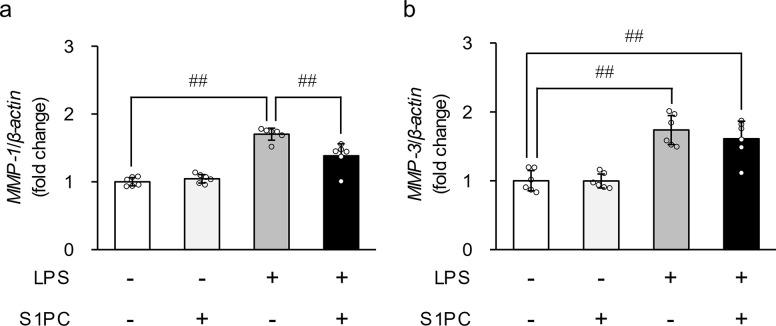
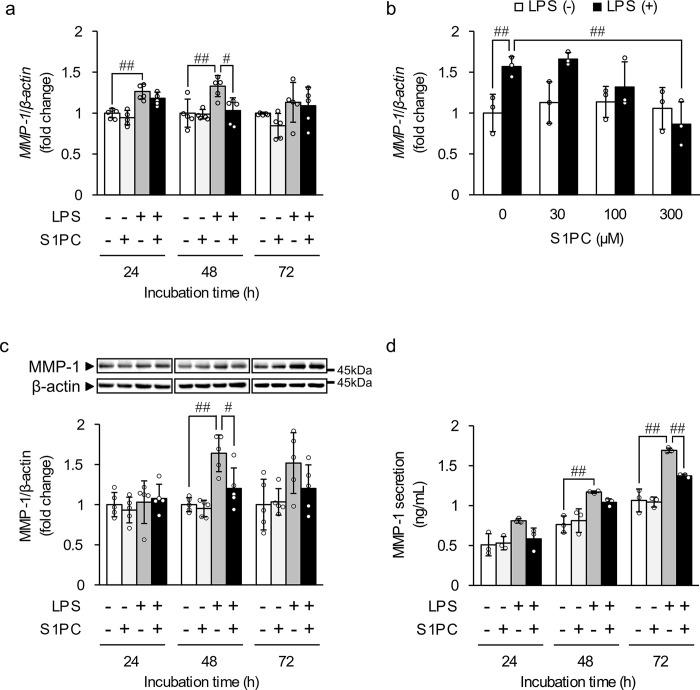
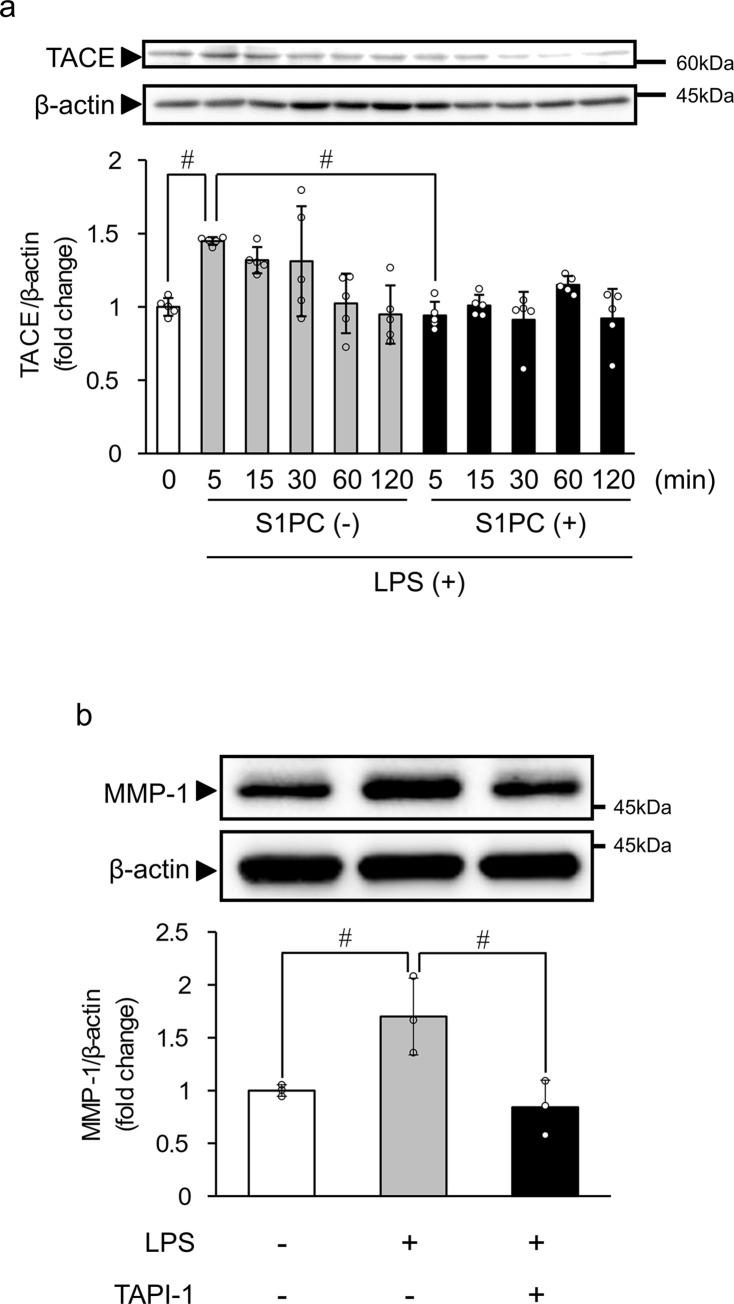
Periodontal disease is the most common dental health problem characterized by the destruction of connective tissue and the resorption of alveolar bone resulting from a chronic infection associated with pathogenic bacteria in the gingiva. Aged garlic extract has been reported to improve gingival bleeding index and probing pocket depth score in patients with mild to moderate periodontitis. Although our previous study found that aged garlic extract and its constituents suppressed the tumor necrosis factor-α-induced inflammatory responses in a human gingival epithelial cell line, the mechanism underlying the effect of aged garlic extract on the destruction of the gingiva remains unclear. The present study investigated the effect of S-1-propenyl-L-cysteine, one of the major sulfur bioactive compounds in aged garlic extract, on the lipopolysaccharide-induced expression of matrix metalloproteinases in human gingival fibroblasts HGF-1 cells. Matrix metalloproteinases are well known to be closely related to the destruction of the gingiva. We found that S-1-propenyl-L-cysteine suppressed the lipopolysaccharide-induced expression and secretion of matrix metalloproteinase-1 in HGF-1 cells. In addition, S-1-propenyl-L-cysteine inhibited the lipopolysaccharide-induced phosphorylation of epidermal growth factor receptor and expression of the active form of tumor necrosis factor-α converting enzyme. Furthermore, the inhibitors of epidermal growth factor receptor tyrosine kinase and tumor necrosis factor-α converting enzyme, AG-1478 and TAPI-1, respectively, reduced the lipopolysaccharide-induced protein level of matrix metalloproteinase-1, as did S-1-propenyl-L-cysteine. Taken together, these results suggested that S-1-propenyl-L-cysteine suppresses the lipopolysaccharide-induced expression of matrix metalloproteinase-1 through the blockade of the tumor necrosis factor-α converting enzyme-epidermal growth factor receptor axis in gingival fibroblasts.
牙周病是最常见的口腔健康问题,其特征是由于牙龈中与致病性细菌相关的慢性感染而导致的结缔组织破坏和牙槽骨吸收。已报道陈年大蒜提取物可改善轻度至中度牙周炎患者的牙龈出血指数和探诊袋深度评分。尽管我们之前的研究发现陈年大蒜提取物及其成分可抑制肿瘤坏死因子-α诱导的人牙龈上皮细胞系中的炎症反应,但陈年大蒜提取物对牙龈破坏的作用机制尚不清楚。本研究探讨了 S-1-丙烯基-L-半胱氨酸(陈年大蒜提取物中的一种主要硫生物活性化合物)对人牙龈成纤维细胞 HGF-1 细胞中脂多糖诱导的基质金属蛋白酶表达的影响。众所周知,基质金属蛋白酶与牙龈破坏密切相关。我们发现 S-1-丙烯基-L-半胱氨酸可抑制 HGF-1 细胞中脂多糖诱导的基质金属蛋白酶-1 的表达和分泌。此外,S-1-丙烯基-L-半胱氨酸抑制了脂多糖诱导的表皮生长因子受体磷酸化和肿瘤坏死因子-α转化酶活性形式的表达。此外,表皮生长因子受体酪氨酸激酶抑制剂 AG-1478 和肿瘤坏死因子-α转化酶抑制剂 TAPI-1 分别降低了脂多糖诱导的基质金属蛋白酶-1 的蛋白水平,S-1-丙烯基-L-半胱氨酸也是如此。总之,这些结果表明,S-1-丙烯基-L-半胱氨酸通过阻断肿瘤坏死因子-α转化酶-表皮生长因子受体轴抑制牙龈成纤维细胞中脂多糖诱导的基质金属蛋白酶-1的表达。


 Zotero 插件