
熊果酸对顺铂诱导的人肺癌A549细胞耐药性及干性的抑制作用和机制
Inhibitory Effect and Mechanism of Ursolic Acid on Cisplatin-Induced Resistance and Stemness in Human Lung Cancer A549 Cells.
作者信息
Fan Luxin, Wang Xiaodong, Cheng Congcong, Wang Shuxiao, Li Xuesong, Cui Jiayu, Zhang Baogang, Shi Lihong
机构信息
Department of Respiratory, Weifang People's Hospital, Weifang 261041, China.
Microbiological Laboratory, Weifang Inspection and Testing Center, Weifang 261100, China.
出版信息
Evid Based Complement Alternat Med. 2023 Apr 14;2023:1307323. doi: 10.1155/2023/1307323. eCollection 2023.
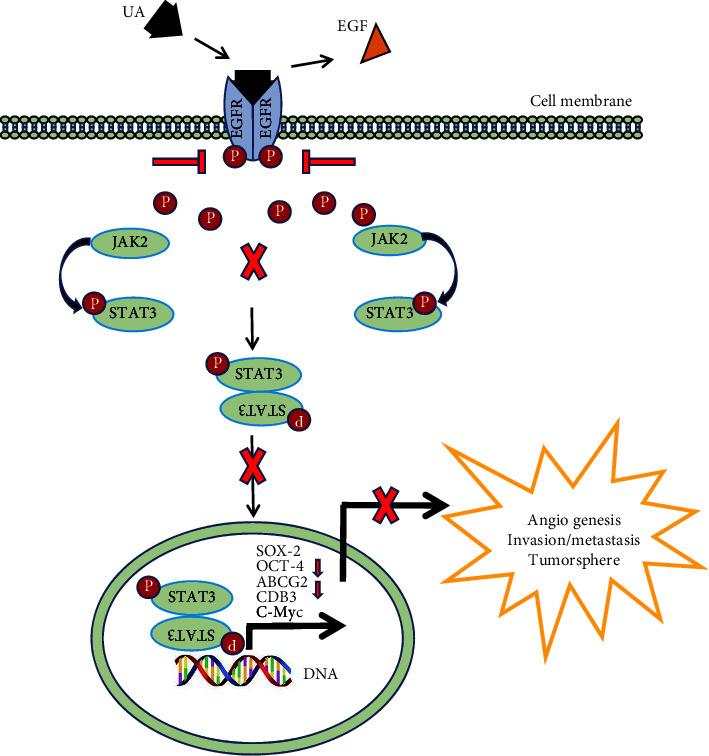
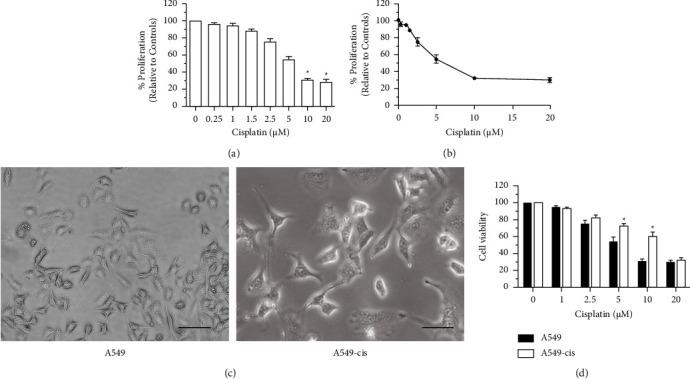
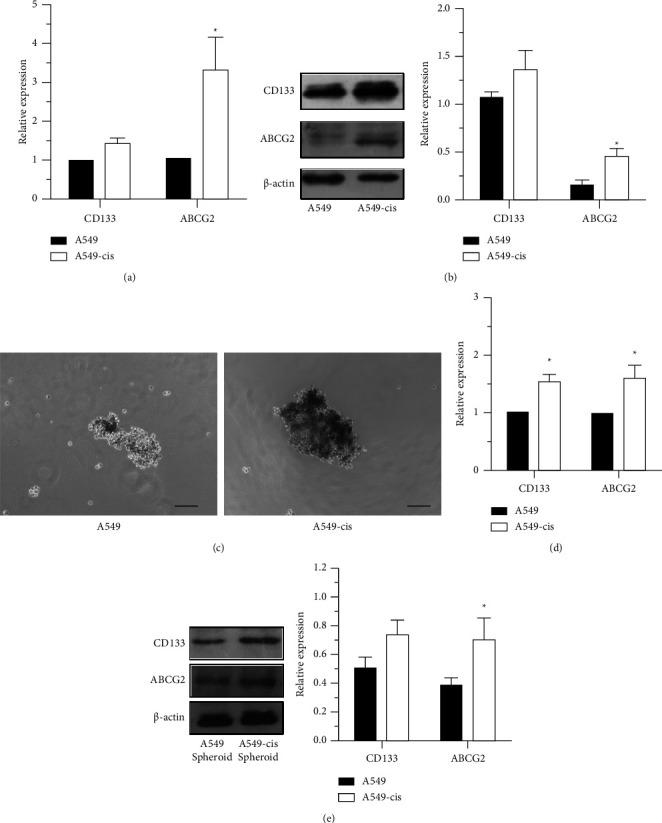
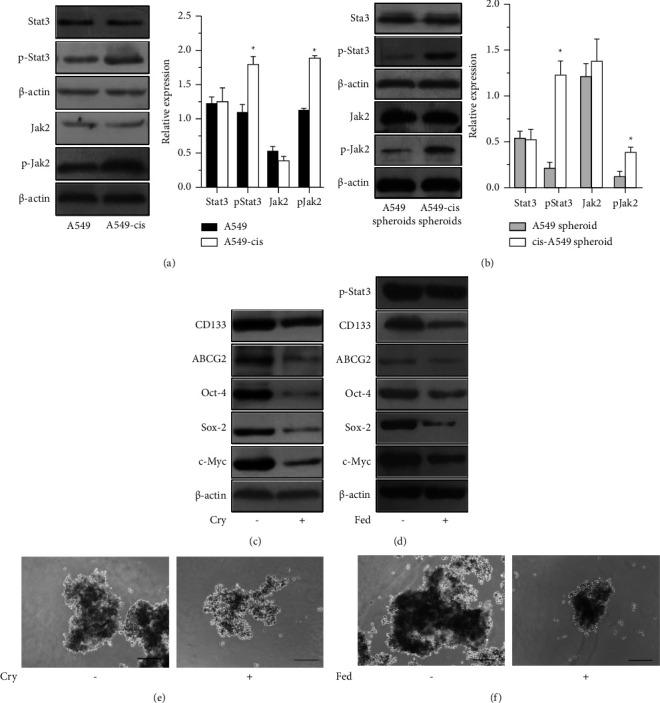
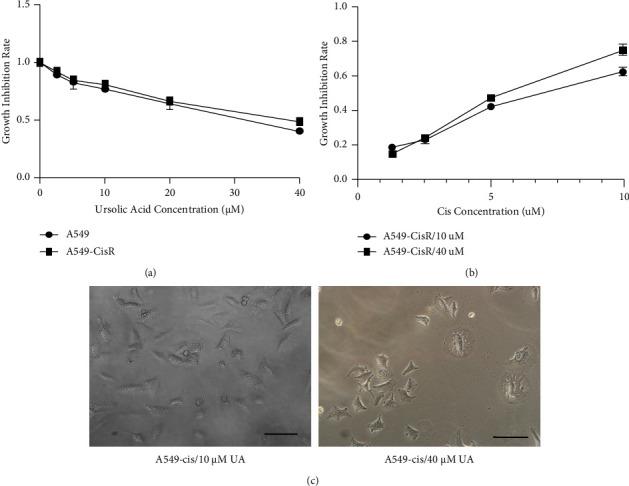
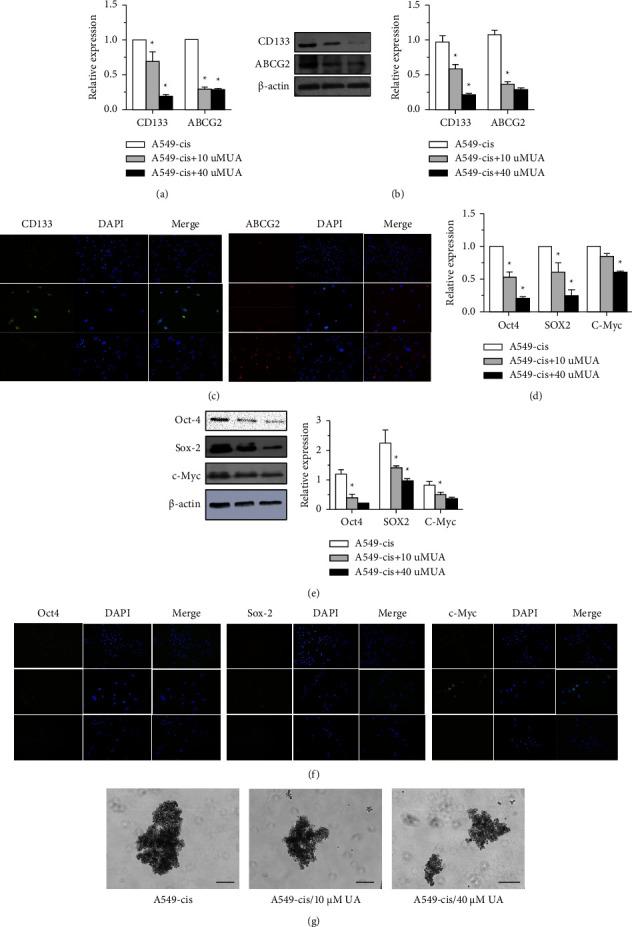
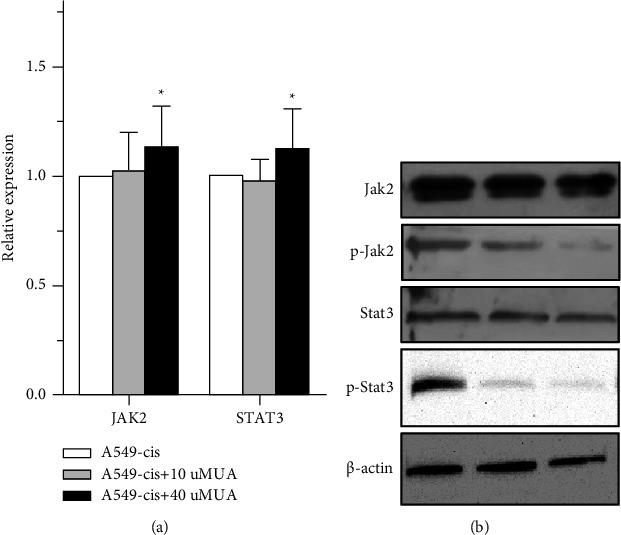
The survival rate of lung cancer patients remains low largely due to chemotherapy resistance during treatment, and cancer stem cells (CSCs) may hold the key to targeting this resistance. Cisplatin is a chemotherapy drug commonly used in cancer treatment, yet the mechanisms of intrinsic cisplatin resistance have not yet been determined because lung CSCs are hard to identify. In this paper, we proposed a mechanism relating to the function of ursolic acid (UA), a new drug, in reversing the cisplatin resistance of lung cancer cells regulated by CSCs. Human lung cancer cell line A549 was selected as the model cell and treated to become a cisplatin-resistant lung cancer cell line (A549-CisR), which was less sensitive to cisplatin and showed an enhanced capability of tumor sphere formation. Furthermore, in the A549-CisR cell line expression, levels of pluripotent stem cell transcription factors Oct-4, Sox-2, and c-Myc were increased, and activation of the Jak2/Stat3 signaling pathway was promoted. When UA was applied to the cisplatin-resistant cells, levels of the pluripotent stem cell transcription factors were restrained by the inhibition of the Jak2/Stat3 signaling pathway, which reduced the enrichment of tumor stem cells, and in turn, reversed cisplatin resistance in lung cancer cells. Hence, as a potential antitumor drug, UA may be able to inhibit the enrichment of the lung CSC population by inhibiting the activation of the Jak2-Stat3 pathway and preventing the resistance of lung cancer cells to cisplatin.
肺癌患者的生存率仍然很低,这在很大程度上是由于治疗期间的化疗耐药性,而癌症干细胞(CSCs)可能是解决这种耐药性的关键。顺铂是一种常用于癌症治疗的化疗药物,但由于肺CSCs难以识别,其内在顺铂耐药性的机制尚未确定。在本文中,我们提出了一种与新型药物熊果酸(UA)的功能相关的机制,该机制可逆转由CSCs调节的肺癌细胞对顺铂的耐药性。选择人肺癌细胞系A549作为模型细胞,并将其处理成顺铂耐药的肺癌细胞系(A549-CisR),该细胞系对顺铂不太敏感,且肿瘤球形成能力增强。此外,在A549-CisR细胞系表达中,多能干细胞转录因子Oct-4、Sox-2和c-Myc的水平升高,Jak2/Stat3信号通路的激活得到促进。当将UA应用于顺铂耐药细胞时,多能干细胞转录因子的水平通过抑制Jak2/Stat3信号通路而受到抑制,这减少了肿瘤干细胞的富集,进而逆转了肺癌细胞对顺铂的耐药性。因此,作为一种潜在的抗肿瘤药物,UA可能能够通过抑制Jak2-Stat3通路的激活和防止肺癌细胞对顺铂的耐药性来抑制肺CSC群体的富集。

 Zotero 插件