
运动医学中标准化富血小板血浆治疗肌腱病的工艺优化与疗效评估:瑞士大学医院临床档案与药品生产质量管理规范生产记录的回顾性研究
Process Optimization and Efficacy Assessment of Standardized PRP for Tendinopathies in Sports Medicine: Retrospective Study of Clinical Files and GMP Manufacturing Records in a Swiss University Hospital.
作者信息
Sebbagh Patrick, Hirt-Burri Nathalie, Scaletta Corinne, Abdel-Sayed Philippe, Raffoul Wassim, Gremeaux Vincent, Laurent Alexis, Applegate Lee Ann, Gremion Gerald
机构信息
Regenerative Therapy Unit, Plastic, Reconstructive & Hand Surgery Service, Lausanne University Hospital, University of Lausanne, CH-1066 Epalinges, Switzerland.
Lausanne Burn Center, Lausanne University Hospital, University of Lausanne, CH-1011 Lausanne, Switzerland.
出版信息
Bioengineering (Basel). 2023 Mar 25;10(4):409. doi: 10.3390/bioengineering10040409.
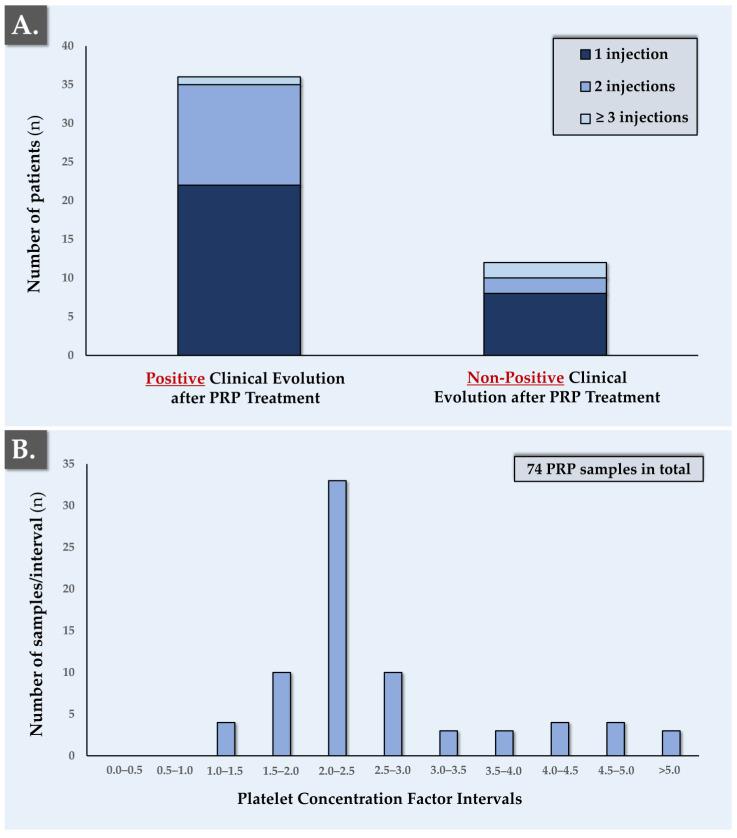
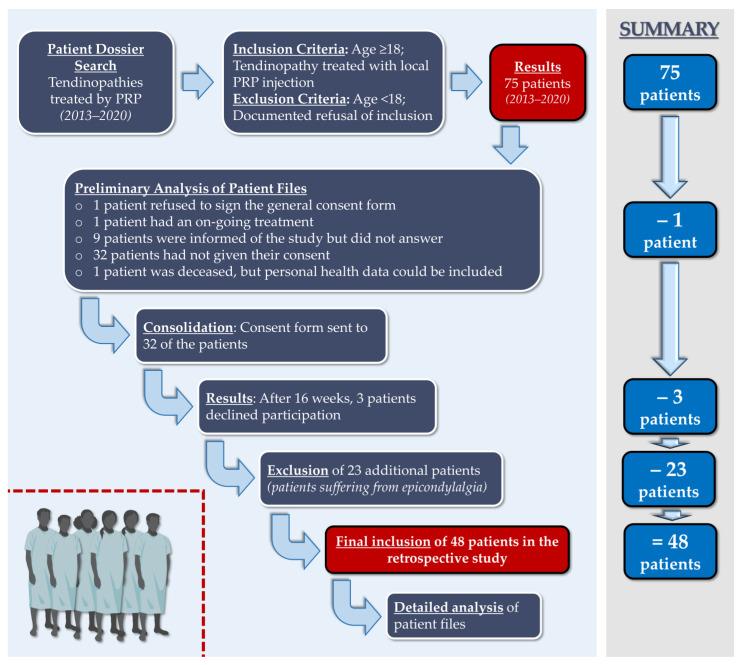
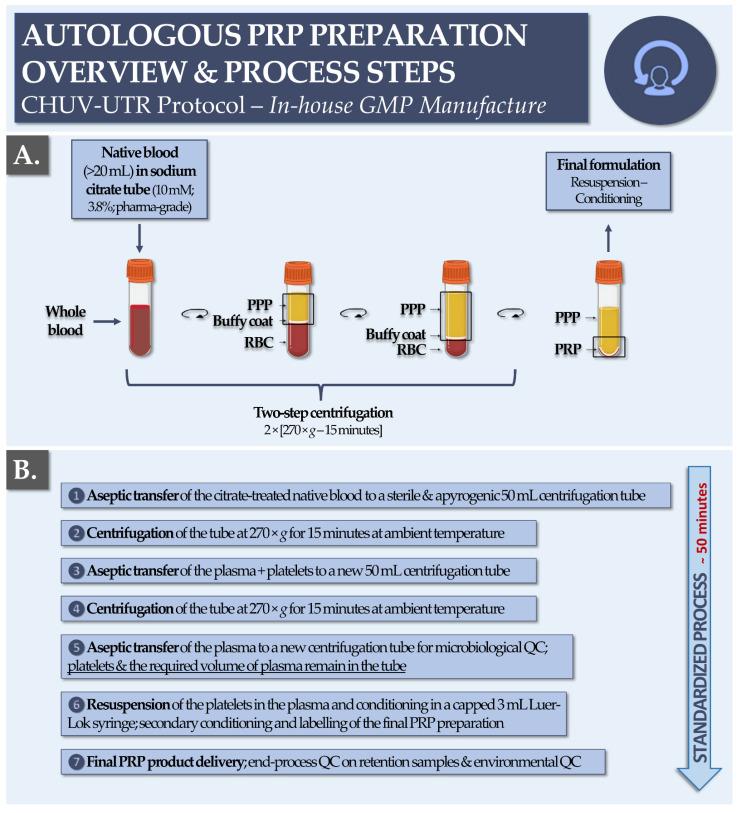
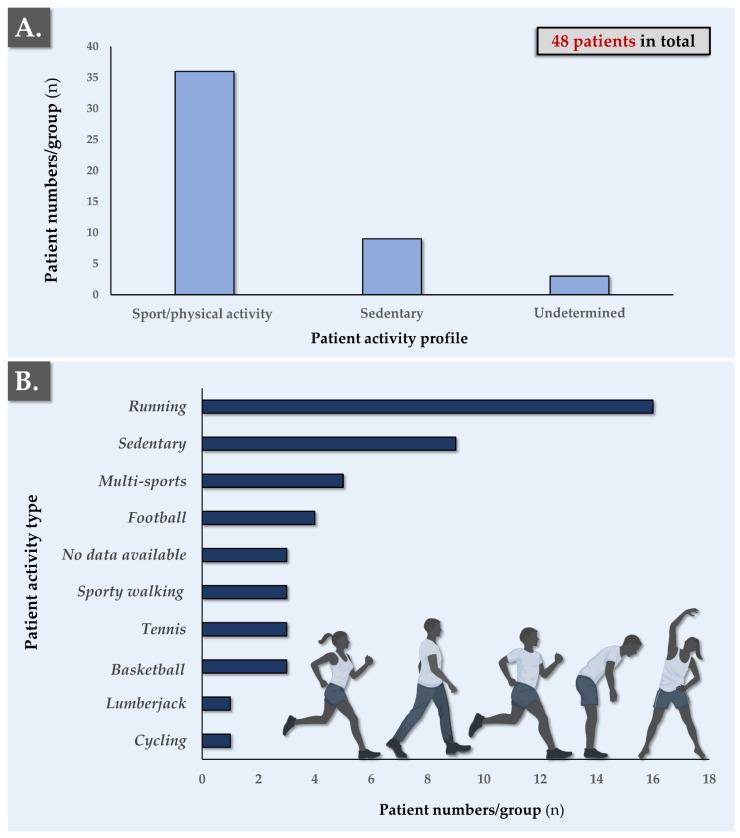
Platelet-rich plasma (PRP) preparations have recently become widely available in sports medicine, facilitating their use in regenerative therapy for ligament and tendon affections. Quality-oriented regulatory constraints for PRP manufacturing and available clinical experiences have underlined the critical importance of process-based standardization, a pre-requisite for sound and homogeneous clinical efficacy evaluation. This retrospective study (2013-2020) considered the standardized GMP manufacturing and sports medicine-related clinical use of autologous PRP for tendinopathies at the Lausanne University Hospital (Lausanne, Switzerland). This study included 48 patients (18-86 years of age, with a mean age of 43.4 years, and various physical activity levels), and the related PRP manufacturing records indicated a platelet concentration factor most frequently in the range of 2.0-2.5. The clinical follow-up showed that 61% of the patients reported favorable efficacy outcomes (full return to activity, with pain disappearance) following a single ultrasound-guided autologous PRP injection, whereas 36% of the patients required two PRP injections. No significant relationship was found between platelet concentration factor values in PRP preparations and clinical efficacy endpoints of the intervention. The results were in line with published reports on tendinopathy management in sports medicine, wherein the efficacy of low-concentration orthobiologic interventions appears to be unrelated to sport activity levels or to patient age and gender. Overall, this study confirmed the effectiveness of standardized autologous PRP preparations for tendinopathies in sports medicine. The results were discussed in light of the critical importance of protocol standardization for both PRP manufacturing and clinical administration to reduce biological material variability (platelet concentrations) and to enhance the robustness of clinical interventions (comparability of efficacy/patient improvement).
富含血小板血浆(PRP)制剂最近在运动医学中广泛可得,便于其用于韧带和肌腱疾病的再生治疗。PRP制造的质量导向型监管限制和现有的临床经验强调了基于流程的标准化的至关重要性,这是进行可靠且一致的临床疗效评估的先决条件。这项回顾性研究(2013 - 2020年)考虑了瑞士洛桑大学医院对用于肌腱病的自体PRP进行标准化的药品生产质量管理规范(GMP)制造及与运动医学相关的临床应用。该研究纳入了48名患者(年龄在18 - 86岁之间,平均年龄为43.4岁,身体活动水平各异),相关的PRP制造记录显示血小板浓缩因子最常处于2.0 - 2.5的范围内。临床随访表明,61%的患者在单次超声引导下自体PRP注射后报告了良好的疗效结果(完全恢复活动,疼痛消失),而36%的患者需要两次PRP注射。在PRP制剂中的血小板浓缩因子值与干预的临床疗效终点之间未发现显著关系。这些结果与运动医学中关于肌腱病管理的已发表报告一致,其中低浓度的矫形生物干预的疗效似乎与运动活动水平、患者年龄和性别无关。总体而言,这项研究证实了标准化自体PRP制剂在运动医学中治疗肌腱病的有效性。鉴于PRP制造和临床给药方案标准化对于减少生物材料变异性(血小板浓度)以及增强临床干预的稳健性(疗效/患者改善的可比性)的至关重要性,对结果进行了讨论。
 Zotero 插件