
减少因心理健康问题再次前往医院急诊科就诊的干预措施:文献综述
Interventions to Reduce Repeat Presentations to Hospital Emergency Departments for Mental Health Concerns: A Scoping Review of the Literature.
作者信息
Mao Wanying, Shalaby Reham, Agyapong Vincent Israel Opoku
机构信息
Department of Psychiatry, University of Alberta, Edmonton, AB T6G 1C9, Canada.
Department of Psychiatry, Faculty of Medicine, Dalhousie University, 5909 Veterans, Memorial Lane, 8th Floor Abbie J. Lane Memorial Building, QEII Health Sciences Centre, Halifax, NS B3H 2E2, Canada.
出版信息
Healthcare (Basel). 2023 Apr 18;11(8):1161. doi: 10.3390/healthcare11081161.
BACKGROUND
The number of readmissions to the emergency department (ED) for mental health services each year is significant, which increases healthcare costs and negatively affects the morale and quality of life of patients and their families.
OBJECT
This scoping review aimed to establish a better understanding of interventions that have been implemented to reduce psychiatric patient readmission and ED use within the ED, to identify areas for improvement, and therefore to assist in the development of more effective actions in the future.
METHOD
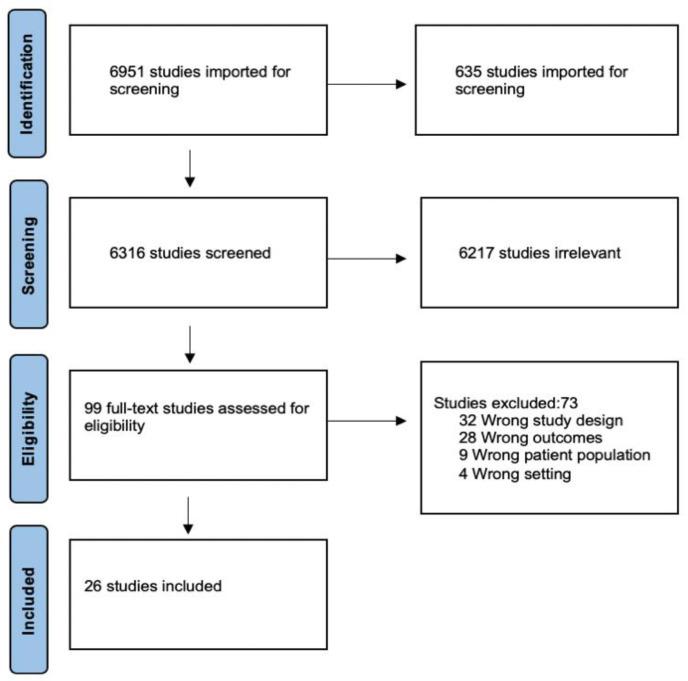
The scoping review was conducted on several bibliographic databases to identify relevant studies. Two researchers independently screened and reviewed titles, abstracts, and full-text articles that met the inclusion criteria. Using Covidence software, 26 out of 6951 studies were eligible for inclusion in this scoping review based on the PRISMA checklist. Data were extracted, collated, summarized, presented, and discussed.
RESULT
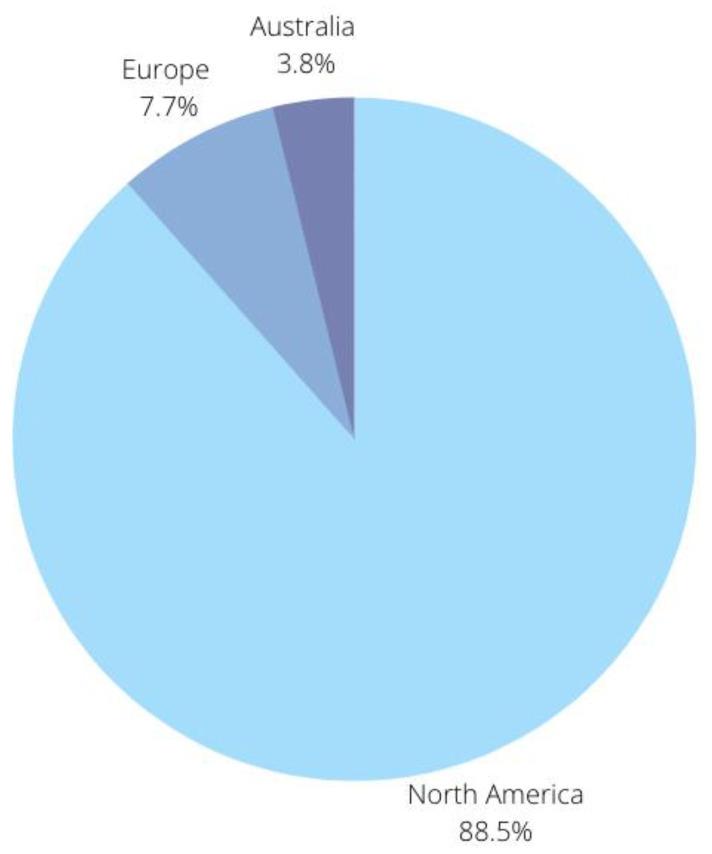
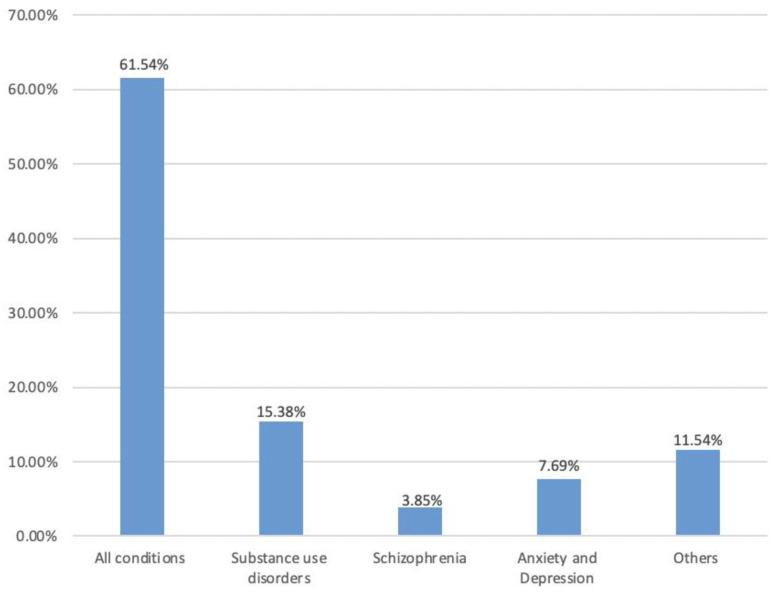
This review identified 26 studies which examined interventions aimed to reduce ED visits, such as the High Alert Program (HAP), the Patient-Centered Medical Home (PCMH), the Primary Behavioral Health Care Integration (PBHCI), and the Collaborative Care (CC) Program, etc. Twenty-three of the studies were conducted in North America, while the rest were conducted in Europe and Australia. A total of 16 studies examined interventions directed to any mental health conditions, while the rest addressed specific health conditions, such as substance use disorders, schizophrenia, anxiety, depression. Interventions involved comprehensive and multidisciplinary services, incorporation of evidence-based behavioral and pharmacological strategies, and emphasized the case management that was found to be effective. Additionally, there was a marked consideration for diverse mental health groups, such as those with substance use disorder and of young age. Most interventions showed a positive effect on reducing psychiatric ED visits.
CONCLUSION
Various initiatives have been implemented worldwide to reduce the number of emergency department visits and the associated burden on healthcare systems. This review highlights the greater need for developing more accessible interventions, as well as setting up a comprehensive community health care system aiming to reduce frequent ED presentations.
背景
每年因心理健康服务而再次进入急诊科(ED)的人数众多,这增加了医疗成本,并对患者及其家人的士气和生活质量产生负面影响。
目的
本范围综述旨在更好地了解为减少精神科患者再次入院和急诊科内的急诊使用而实施的干预措施,确定改进领域,从而有助于未来制定更有效的行动。
方法
对多个文献数据库进行范围综述以识别相关研究。两名研究人员独立筛选和审查符合纳入标准的标题、摘要和全文文章。使用Covidence软件,根据PRISMA清单,6951项研究中有26项符合纳入本范围综述的条件。对数据进行提取、整理、总结、呈现和讨论。
结果
本综述确定了26项研究,这些研究考察了旨在减少急诊就诊的干预措施,如高警戒计划(HAP)、以患者为中心的医疗之家(PCMH)、初级行为健康护理整合(PBHCI)和协作护理(CC)计划等。其中23项研究在北美进行,其余在欧洲和澳大利亚进行。共有16项研究考察了针对任何心理健康状况的干预措施,其余研究针对特定健康状况,如物质使用障碍、精神分裂症、焦虑症、抑郁症。干预措施包括全面和多学科服务,纳入基于证据的行为和药物策略,并强调被发现有效的病例管理。此外,还显著考虑了不同的心理健康群体,如患有物质使用障碍的群体和年轻人。大多数干预措施对减少精神科急诊就诊显示出积极效果。
结论
全球已实施了各种举措以减少急诊科就诊次数及相关的医疗系统负担。本综述强调更需要开发更易获得的干预措施,以及建立旨在减少频繁急诊科就诊的综合社区医疗系统。

 Zotero 插件