
热应激对肉品理化特性、抗氧化指标及品质的影响综述
Physicochemical Properties, Antioxidant Markers, and Meat Quality as Affected by Heat Stress: A Review.
机构信息
Laboratory of Useful Materials, National Institute of Research and Pysico-Chemical Analysis (INRAP), Technopark of Sidi Thabet, Ariana 2020, Tunisia.
Department of Chemistry, Faculty of Sciences of Bizerte, University of Carthage, Zarzouna, Bizerte 7021, Tunisia.
出版信息
Molecules. 2023 Apr 10;28(8):3332. doi: 10.3390/molecules28083332.
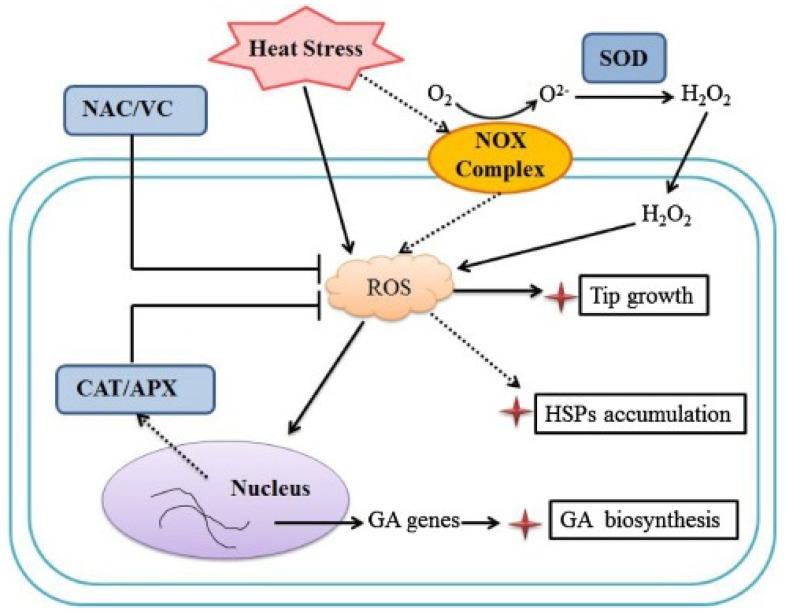
Heat stress is one of the most stressful events in livestock life, negatively impacting animal health, productivity, and product quality. Moreover, the negative impact of heat stress on animal product quality has recently attracted increasing public awareness and concern. The purpose of this review is to discuss the effects of heat stress on the quality and the physicochemical component of meat in ruminants, pigs, rabbits, and poultry. Based on PRISMA guidelines, research articles were identified, screened, and summarized based on inclusion criteria for heat stress on meat safety and quality. Data were obtained from the Web of Science. Many studies reported the increased incidences of heat stress on animal welfare and meat quality. Although heat stress impacts can be variable depending on the severity and duration, the exposure of animals to heat stress (HS) can affect meat quality. Recent studies have shown that HS not only causes physiological and metabolic disturbances in living animals but also alters the rate and extent of glycolysis in postmortem muscles, resulting in changes in pH values that affect carcasses and meat. It has been shown to have a plausible effect on quality and antioxidant activity. Acute heat stress just before slaughter stimulates muscle glycogenolysis and can result in pale, tender, and exudative (PSE) meat characterized by low water-holding capacity (WHC). The enzymatic antioxidants such as superoxide dismutase (SOD), catalase (CAT), and glutathione peroxidase (GPx) act by scavenging both intracellular and extracellular superoxide radicals and preventing the lipid peroxidation of the plasma membrane. Therefore, understanding and controlling environmental conditions is crucial to successful animal production and product safety. The objective of this review was to investigate the effects of HS on meat quality and antioxidant status.
热应激是家畜生活中最具压力的事件之一,对动物健康、生产力和产品质量产生负面影响。此外,热应激对动物产品质量的负面影响最近引起了越来越多的公众关注和担忧。本综述的目的是讨论热应激对反刍动物、猪、兔和家禽肉的质量和理化成分的影响。根据 PRISMA 指南,根据热应激对肉安全和质量的纳入标准,确定、筛选和总结了研究文章。数据来自 Web of Science。许多研究报告称,动物福利和肉类质量受到热应激增加的影响。尽管热应激的影响因严重程度和持续时间而异,但动物暴露于热应激(HS)会影响肉的质量。最近的研究表明,HS 不仅会导致活体动物的生理和代谢紊乱,还会改变死后肌肉中糖酵解的速度和程度,导致 pH 值发生变化,从而影响胴体和肉。它对质量和抗氧化活性有合理的影响。屠宰前的急性热应激会刺激肌肉糖元分解,并导致肉色苍白、嫩度差、渗出性高(PSE),其持水力(WHC)低。酶抗氧化剂,如超氧化物歧化酶(SOD)、过氧化氢酶(CAT)和谷胱甘肽过氧化物酶(GPx),通过清除细胞内和细胞外的超氧自由基和防止质膜的脂质过氧化作用来发挥作用。因此,了解和控制环境条件对于成功的动物生产和产品安全至关重要。本综述的目的是研究热应激对肉品质和抗氧化状态的影响。
 Zotero 插件