
对羟基苯甲酸酯会增加磺胺甲恶唑、四环素和对羟基苯甲酸酯抗性细菌,并重塑淡水河沉积物中与氮/硫循环相关的微生物群落。
Parabens Increase Sulfamethoxazole-, Tetracycline- and Paraben-Resistant Bacteria and Reshape the Nitrogen/Sulfur Cycle-Associated Microbial Communities in Freshwater River Sediments.
作者信息
Yang Chu-Wen, Lee Wei-Chen
机构信息
Department of Microbiology, Soochow University, Taipei 111002, Taiwan.
出版信息
Toxics. 2023 Apr 18;11(4):387. doi: 10.3390/toxics11040387.
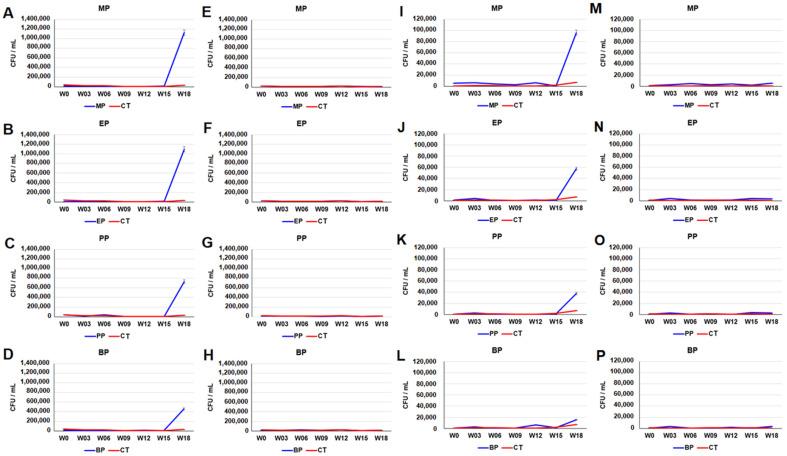
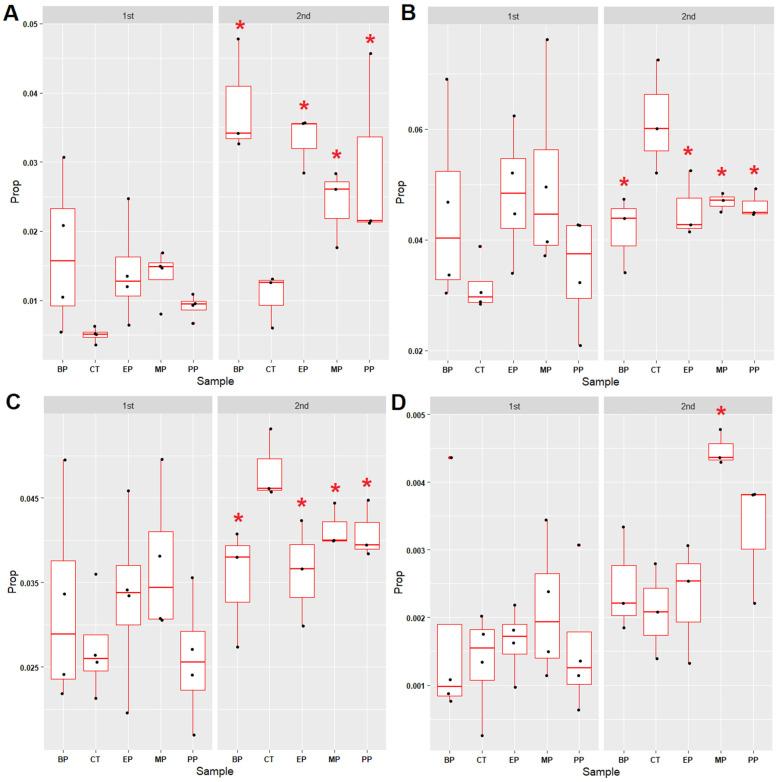
Parabens are pollutants of emerging concern in aquatic environments. Extensive studies regarding the occurrences, fates and behavior of parabens in aquatic environments have been reported. However, little is known about the effects of parabens on microbial communities in freshwater river sediments. This study reveals the effects of methylparaben (MP), ethylparaben (EP), propylparaben (PP) and butylparaben (BP) on antimicrobial-resistant microbiomes, nitrogen/sulfur cycle-associated microbial communities and xenobiotic degrading microbial communities in freshwater river sediments. The river water and sediments collected from the Wai-shuangh-si Stream in Taipei City, Taiwan were used to construct a model system in fish tanks to test the effects of parabens in laboratory. Tetracycline-, sulfamethoxazole- and paraben-resistant bacteria increased in all paraben treated river sediments. The order of the overall ability to produce an increment in sulfamethoxazole-, tetracycline- and paraben-resistant bacteria was MP > EP > PP > BP. The proportions of microbial communities associated with xenobiotic degradation also increased in all paraben-treated sediments. In contrast, penicillin-resistant bacteria in both the aerobic and anaerobic culture of paraben-treated sediments decreased drastically at the early stage of the experiments. The proportions of four microbial communities associated with the nitrogen cycle (anammox, nitrogen fixation, denitrification and dissimilatory nitrate reduction) and sulfur cycle (thiosulfate oxidation) largely increased after the 11th week in all paraben-treated sediments. Moreover, methanogens and methanotrophic bacteria increased in all paraben-treated sediments. In contrast, the nitrification, assimilatory sulfate reduction and sulfate-sulfur assimilation associated to microbial communities in the sediments were decreased by the parabens. The results of this study uncover the potential effects and consequences of parabens on microbial communities in a freshwater river environment.
对羟基苯甲酸酯是水生环境中新兴的受关注污染物。关于对羟基苯甲酸酯在水生环境中的存在、归宿和行为已有大量研究报道。然而,对羟基苯甲酸酯对淡水河沉积物中微生物群落的影响却知之甚少。本研究揭示了甲基对羟基苯甲酸酯(MP)、乙基对羟基苯甲酸酯(EP)、丙基对羟基苯甲酸酯(PP)和丁基对羟基苯甲酸酯(BP)对淡水河沉积物中抗微生物微生物群落、氮/硫循环相关微生物群落和异生素降解微生物群落的影响。从中国台湾台北市外双溪采集的河水和沉积物被用于在鱼缸中构建模型系统,以在实验室中测试对羟基苯甲酸酯的影响。在所有经对羟基苯甲酸酯处理的河沉积物中,耐四环素、磺胺甲恶唑和对羟基苯甲酸酯的细菌数量均有所增加。在产生耐磺胺甲恶唑、耐四环素和耐对羟基苯甲酸酯细菌增量的总体能力方面,顺序为MP>EP>PP>BP。在所有经对羟基苯甲酸酯处理的沉积物中,与异生素降解相关的微生物群落比例也有所增加。相比之下,在实验初期,经对羟基苯甲酸酯处理的沉积物的需氧和厌氧培养物中耐青霉素细菌数量大幅下降。在所有经对羟基苯甲酸酯处理的沉积物中,第11周后,与氮循环(厌氧氨氧化、固氮、反硝化和异化硝酸盐还原)和硫循环(硫代硫酸盐氧化)相关的四个微生物群落比例大幅增加。此外,在所有经对羟基苯甲酸酯处理的沉积物中,产甲烷菌和甲烷氧化菌数量增加。相比之下,沉积物中与微生物群落相关的硝化作用、同化性硫酸盐还原和硫酸盐 - 硫同化作用因对羟基苯甲酸酯而减少。本研究结果揭示了对羟基苯甲酸酯对淡水河环境中微生物群落的潜在影响和后果。




 Zotero 插件